INTRODUCTION
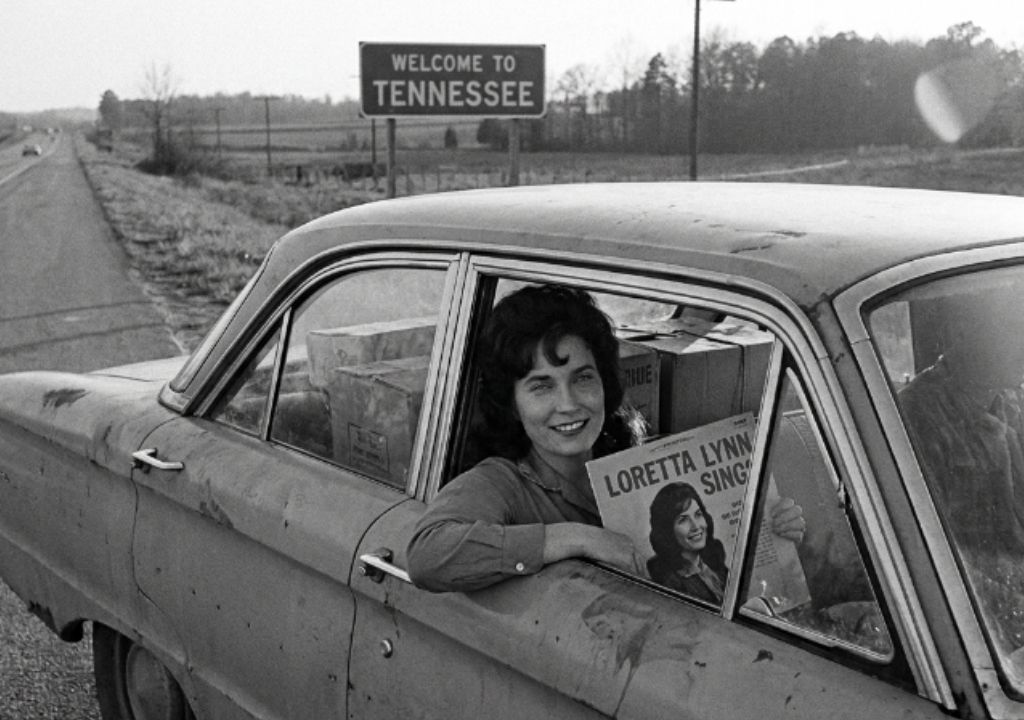
In the early spring of 1960, a battered 1956 Mercury sedan rolled down a dusty highway, its trunk packed tightly with crisp vinyl records and a camera. Inside the vehicle sat a young mother of four and her husband, surviving on nothing but pocket change and bologna sandwiches. They had no major label backing, no corporate publicist, and no guarantee of success. Yet, this modest couple from the coal mines of Kentucky was embarking on an unprecedented promotional crusade that would forever alter the landscape of American popular music. With unmatched determination, they mapped out every country music radio station across the United States, determined to turn a self-penned debut single into a national sensation. What transpired during this exhausting cross-country odyssey would establish a legendary blueprint for artistic independence and grassroots stardom?
THE DETAILED STORY
The modern machinery of Nashville stardom often relies on multimillion-dollar budgets and highly coordinated digital campaigns, but the origin of modern country authenticity belongs to a sheer act of physical endurance. Following the recording of her debut single, “I’m a Honky Tonk Girl”, under the tiny independent label Zero Records in February 1960, Loretta Lynn and her husband, Oliver “Doolittle” Lynn, refused to let the record die in obscurity. Instead of waiting for traditional distribution channels to notice the track, they launched a relentless self-funded assault on the American airwaves.
The mechanics of their strategy were primitive yet brilliantly effective. Doolittle drove thousands of miles across state lines while the young singer studied maps and local radio directories. Upon entering a new town, they bypassed corporate gatekeepers entirely. The artist walked straight into broadcast booths, charming local disc jockeys with her raw sincerity while her husband politely insisted they spin the record. They photographed every disc jockey who complied, mailing the pictures back to trade publications to create the illusion of an unstoppable national movement.
This grueling enterprise required immense personal sacrifice. The couple frequently slept in the backseat of their automobile to conserve their scarce funds, dedicating every single dollar to gasoline and postage. The profound economic risk paid off magnificently when the track steadily gained traction on the airwaves. On 07/16/1960, the infectious, heartbreaking single officially entered the national consciousness, climbing steadily until it reached Number 14 on Billboard‘s country music chart. This monumental achievement shattered industry conventions, proving that raw talent and grassroots grit could bypass the traditional Nashville studio monopoly. By the time major labels finally took notice, the industry pattern had irrevocably shifted, cementing a legacy of fierce artistic autonomy that continues to inspire independent musicians across the globe today.