Introduction
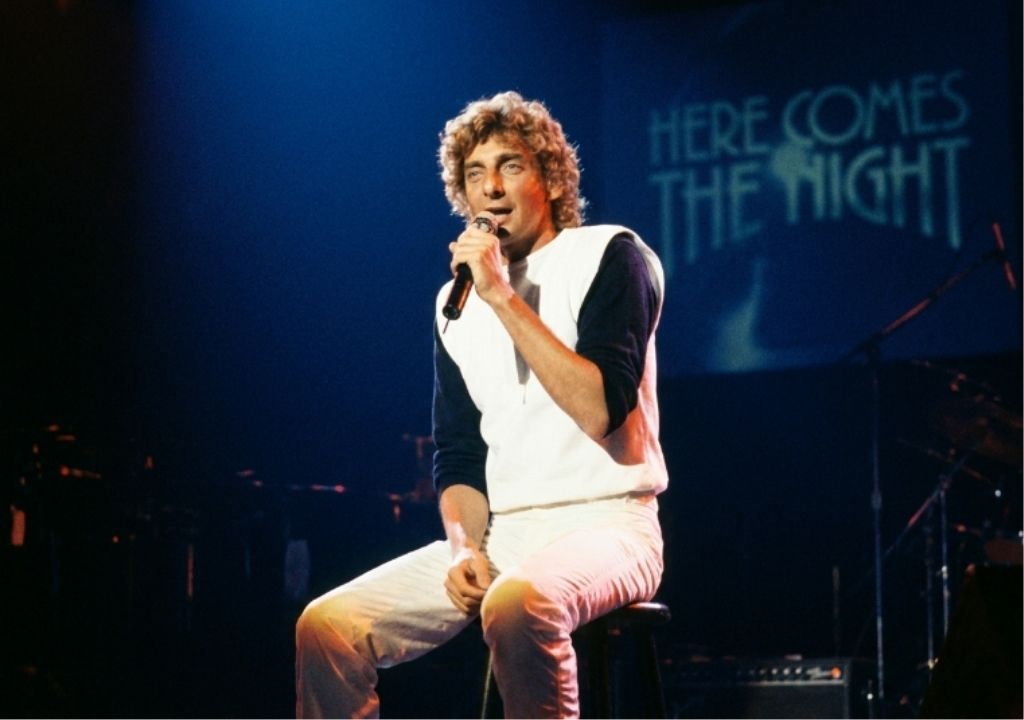
As the vibrant musical tapestry of the 1970s shifted into the sleek, neon-lit landscape of the early 1980s, the world of adult contemporary pop witnessed a subtle yet fascinating evolution. At the absolute forefront of this transition stood Barry Manilow, an artist who had already spent a decade mastering the intricate architecture of the grand pop ballad. By 1982, Manilow sought to expand his stylistic boundaries without ever losing the deep, unconditional emotional resonance that had defined his legendary career. The result of this creative exploration was his ninth studio album, Here Comes the Night, a project that beautifully balanced his classic storytelling flair with a contemporary, slightly rock-infused energy. The title track itself stands as a brilliant testament to this era, offering listeners a sweeping, cinematic descent into the complex world of nocturnal solitude and lingering romantic nostalgia. It is a song that captures the precise moment when the external world goes quiet, forcing the human heart to confront the memories it spent all day trying to escape.
Musically and lyrically, “Here Comes the Night” represents a stellar collaboration between Manilow, who composed the elegant melody, and the revered lyricist John Bettis. Bettis, famous for his poetic work with the Carpenters and many others, provides a masterclass in imagery, using the inevitable arrival of twilight as a metaphor for the heavy onset of heartbreak and loneliness. The track cleverly subverts the traditional expectations of a simple melancholy ballad by wrapping its emotional pain in a surprisingly dynamic and driving arrangement. It opens with an atmospheric, brooding intro that immediately establishes a sense of anticipation and vulnerability, mimicking the creeping shadows of a late-evening sky. As Manilow’s vocals enter, they carry a rich, conversational weariness that feels entirely intimate and deeply personal. However, as the chorus approaches, the production swells with a magnificent surge of energy—powered by sharp, rhythmic guitar work, a remarkably grounded bassline, and lush, layered background vocals that elevate the track into a glorious pop-rock anthem. This musical contrast perfectly illustrates the internal storm of a restless mind, demonstrating how the quiet of the night can amplify a person’s deepest longings until they fill the entire room.
What truly seals the enduring brilliance of this hidden masterpiece is Manilow’s unparalleled ability to live completely inside the lyrics he performs. He doesn’t merely sing the melody; he acts out the narrative with the dramatic intensity of a classic film noir protagonist pacing through empty, rain-slicked city streets. His vocal performance transitions seamlessly from fragile, hushed confessions in the verses to an explosive, passionate declaration of emotional survival in the soaring choruses. In an era increasingly dominated by sterile synthesizers and synthesized drum machines, this recording stands out for its beautiful reliance on genuine analog warmth and real, organic musical synergy. For decades, aficionados of vintage pop and adult contemporary music have returned to this particular track as a sanctuary during their own long, quiet nights of introspection and romantic longing. “Here Comes the Night” remains a stellar audio time capsule, reminding us of a golden age when popular music possessed a grand, theatrical heart and a timeless poetic vulnerability. It is a deeply comforting piece of art that beautifully confirms why Barry Manilow remains one of the most vital, irreplaceable architects of the great American musical songbook, long after the final notes fade into the dark.