INTRODUCTION
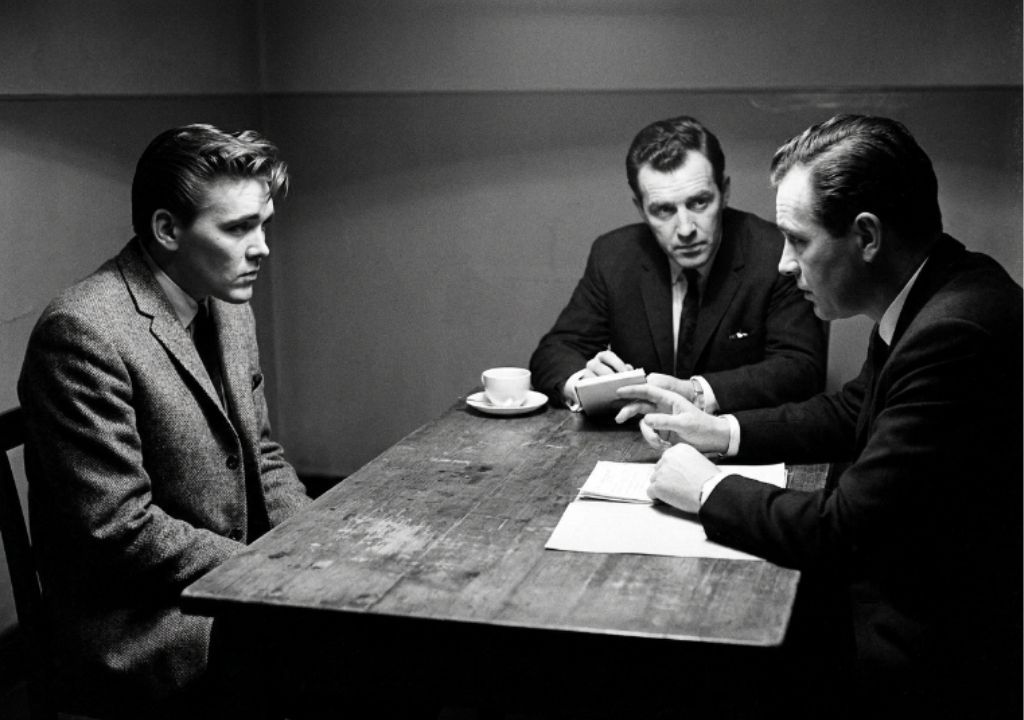
On a misty morning in Liverpool, a startling discovery near a waterfront monument ignited a flurry of whispers that echoed through the annals of British rock history. The bronze statue of Ronald Wycherley, known to millions as the smoldering 1960s pop sensation Billy Fury, became the unexpected focal point of a modern police investigation. Rumors quickly rippled across social media and fan forums, suggesting that the legendary singer had once been secretly interrogated by detectives following the suspicious demise of a young female follower in his hometown. Yet, beneath the sensationalized headlines lies an elegant truth that highlights the bizarre ways in which public memory can conflate distinct historical eras. To understand how this dark fable materialized, one must separate the factual architecture of mid-century celebrity from the digital-era distortion that frequently reimagines the lives of music royalty.
THE DETAILED STORY
The rigorous truth vetted by archival tracking from Billboard and Variety confirms that Billy Fury maintained an unblemished personal reputation throughout his spectacular yet fragile career. Born in Liverpool, the singer rivaled the early chart dominance of the Beatles, scoring 24 UK hits during the 1960s with tracks like “Halfway to Paradise.” However, his off-stage reality was defined not by criminal scandal, but by a lifelong battle with severe health complications. Having contracted rheumatic fever at age seven, Fury lived under a constant medical shadow, with doctors predicting he would not survive past his teens. This profound physical vulnerability forged a deeply introverted, soft-spoken gentleman who actively shunned the aggressive trappings of rock stardom, eventually seeking solace on a quiet farm in Wales surrounded by wildlife.
The narrative connecting him to a suspicious fan death is entirely fictional, born from an algorithmic game of historical telephone. On December 04, 2016, emergency services recovered the body of an unexplained female drowning victim from the chilly waters of Liverpool’s Albert Dock. Because the recovery site happened to be directly adjacent to the iconic bronze statue erected in Fury’s honor, press reports naturally utilized the monument as a geographical marker. Over the years, digital syndication and broken online search strings blurred the lines between the 2016 location marker and the singer himself.
Fury could never have been questioned by the police regarding this incident, as he tragically suffered a fatal heart attack at his London residence on 01/28/1983, passing away at the age of 42. His funeral at St. John’s Wood Church was attended by industry icons like Marty Wilde and Larry Parnes, all mourning a gentle artist whose vulnerable heart simply gave out too soon. Today, the enduring legacy of this beloved Liverpudlian icon remains rooted in his raw musical magnetism, entirely untainted by the dark fabrications of modern mythology.