Introduction
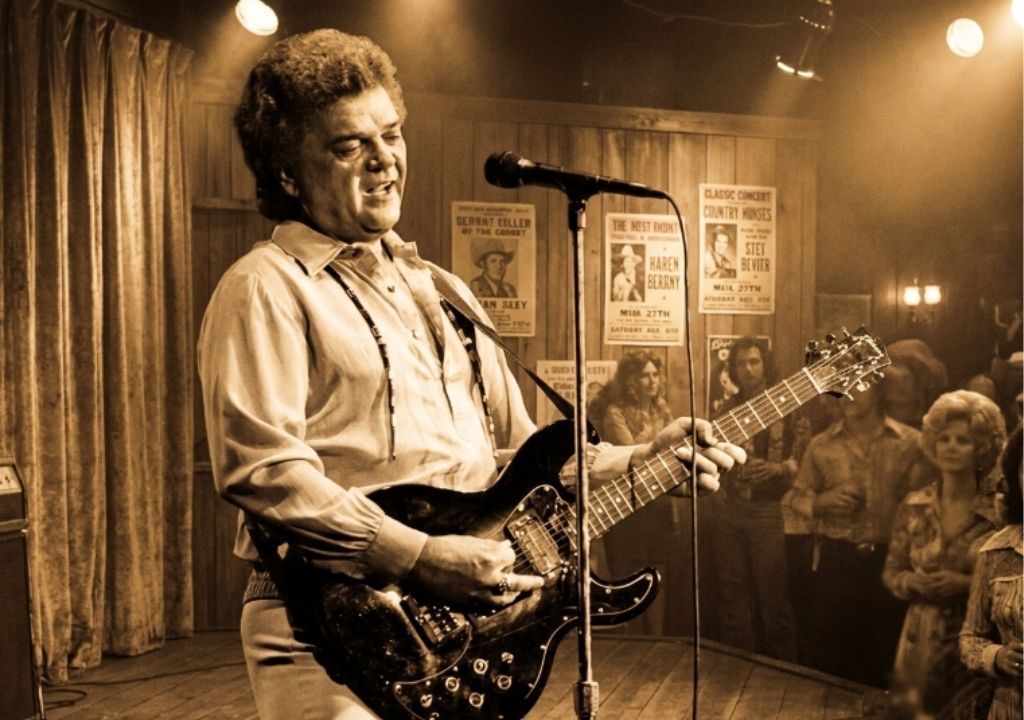
There is a unique kind of magic that occurs when a master storyteller enters the twilight of their career, possessing a voice seasoned by decades of heartbreak, triumph, and raw human experience. When Conway Twitty released “Crazy In Love” in 1990, he wasn’t just releasing another track to climb the billboard country charts; he was delivering a masterclass in romantic vulnerability. For those of us who spent decades wrapped in the warm embrace of classic country music, Conway was always the high priest of passion, a man who could transform a simple three-minute song into a cinematic journey of the human heart. “Crazy In Love,” written by Even Stevens and Randy McCormick, found its definitive soul when it met Conway’s incomparable baritone.
The atmosphere of the track is instantly recognizable, capturing that specific late-1980s and early-1990s country production where traditional sentiments met a smoother, more polished sonic landscape. The song opens with a tender, lingering arrangement of soft instrumentation that sets a deeply intimate, late-night mood. It feels like sitting in a dimly lit room, watching the rain beat against the windowpane while a turntable spins in the corner. When Conway’s voice enters, it is thick with emotion, carrying a weight that younger artists simply could not replicate. He doesn’t just sing the lyrics; he breathes them into existence, wrapping his vocals around the melody like a protective embrace.
At its core, “Crazy In Love” explores the terrifying, beautiful helplessness of complete devotion. It is about that profound moment when you realize your heart no longer belongs entirely to you, but has been completely surrendered to another person. Conway articulates this surrender not as a weakness, but as the ultimate human truth. His signature vocal dynamics—the gentle, conversational verses building up to a soaring, passionate chorus—perfectly mirror the internal emotional crests of someone deeply, hopelessly in love. The subtle crying of the pedal steel guitar in the background acts as a secondary voice, echoing the sweet ache of his confession.
During this era, country music was changing rapidly, shifting toward a more contemporary sound, yet Conway Twitty remained a steadfast anchor of authentic emotion. This song stands as a powerful testament to his enduring legacy, proving that no matter how production styles evolved, true country music would always be about the honesty of the human voice. Listening to this track today triggers a profound sense of nostalgia, evoking memories of a time when melodies were built to last and love stories were told with uncompromised dignity. It reminds us of why we fell in love with his music in the first place—because Conway understood our quietest feelings and gave them a voice that will echo through the generations forever.