INTRODUCTION
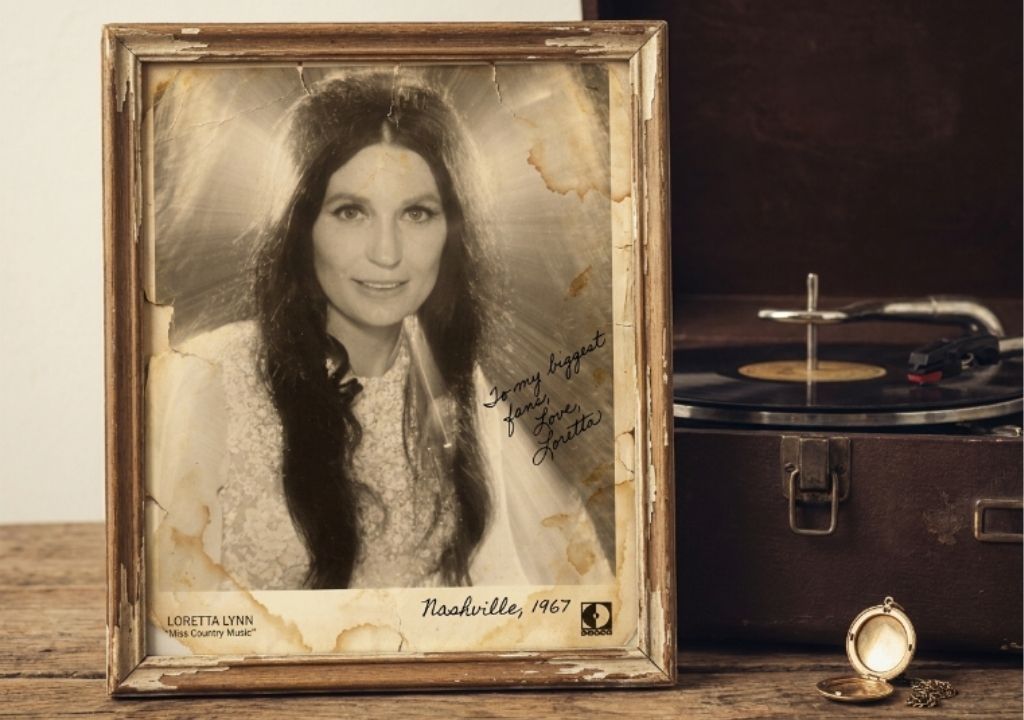
In the smoke-filled boardrooms of Nashville during the late twentieth century, a soft-spoken mother from Butcher Hollow achieved what no political manifesto could. When Loretta Lynn drove her provocative anthem “Rated ‘X'” to the top of the charts on 12/30/1972, she did not merely court controversy; she systematically unmasked a deeply entrenched cultural hypocrisy. The track, which directly challenged the immediate ostracization of divorced women while their male counterparts operated with impunity, became an instant lightning rod. For decades, Lynn observed a harsh social architecture where men were readily granted absolution, while women were permanently stained by the slightest deviation from traditional purity. This sharp dichotomy formed the emotional bedrock of her songwriting. By examining this bitter truth, Lynn transformed personal observation into an institutional critique, forcing a conservative industry to confront its own skewed morality and setting a timeless masterclass in narrative courage.
THE DETAILED STORY
The architectural brilliance of Loretta Lynn’s career lay in her refusal to disguise reality in comfortable metaphors. While mid-century country music frequently celebrated male rebellion, female artists were strictly confined to narratives of domestic endurance and quiet submission. Lynn shattered this glass ceiling not with aggression, but with an undeniable, journalistic precision. Her lived experiences informed a catalog that functioned as a mirror to American society’s double standards.
In her poignant reflections and candid interviews throughout her multi-decade career, Lynn consistently pointed out that a man’s transgressions were often laughed off as mere indiscretions, easily washed away by time and a superficial apology. Conversely, a woman facing the exact same circumstances was subjected to permanent social exile. This systemic forgiveness gap became her ultimate target. Songs like “The Pill” and “Don’t Come Home A-Drinkin’ (With Lovin’ on Your Mind)” were routinely banned by radio programmers who found her honesty terrifying, yet millions of working-class women recognized their own suppressed truths in her lyrics.
Lynn’s narrative framework was profoundly sophisticated. She recognized that the societal machinery was rigged to protect male privilege while policing female autonomy. Her commentary went beyond simple grievance; it was a profound socio-cultural diagnosis. She argued that the asymmetry in forgiveness was not accidental, but rather a deliberate mechanism designed to maintain institutional control. Even as she achieved iconic status, securing multiple Grammy Awards and generating millions of dollars in economic value for the genre, she never softened her stance on this fundamental inequity.
Today, looking back at her monumental legacy from the vantage point of 2026, her insights feel startlingly contemporary. Lynn’s catalog serves as a timeless masterclass in narrative architecture, proving that music can dissect structural injustice more effectively than standard journalism. Her bitter yet empowering truth remains an essential blueprint for every artist seeking to challenge the enduring disparities of human judgment.