INTRODUCTION
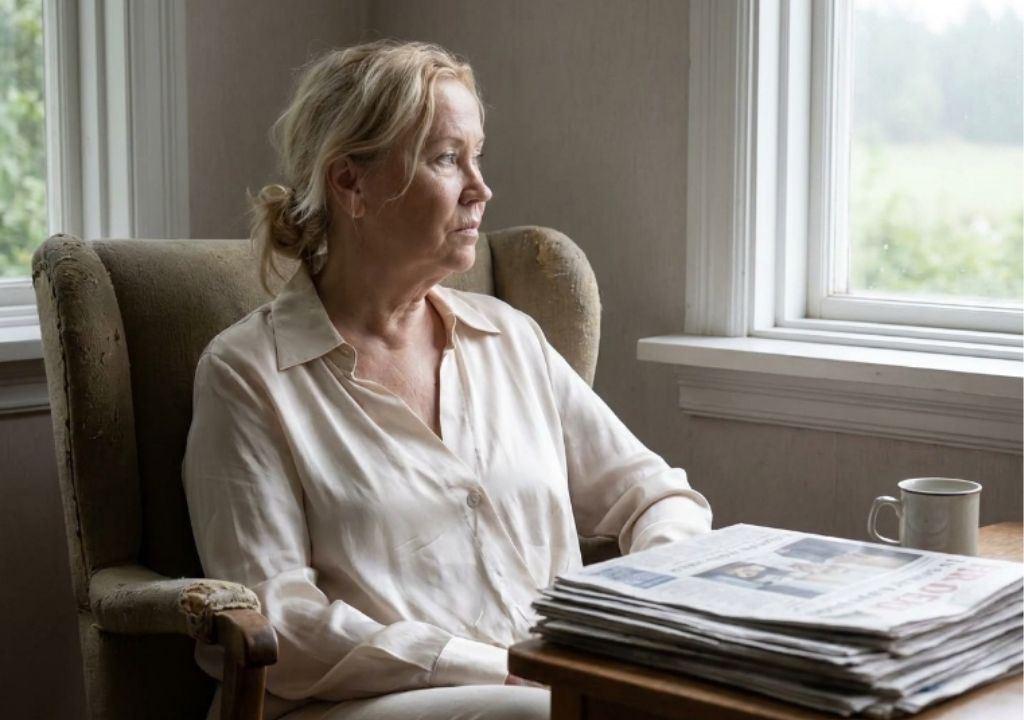
Following the unofficial disbandment of ABBA in 1982, Agnetha Fältskog gradually retreated from the hyper-delirium of the international entertainment industry, eventually seeking near-total anonymity on the remote, wooded island of Ekerö in Stockholm County. This sudden transition from global pop goddess to a quiet, intensely guarded private citizen deeply unsettled the European tabloid press. Unable to comprehend a superstar voluntarily relinquishing wealth and adoration for a rustic life of isolation, media outlets and speculative commentators filled the informational vacuum with malicious fabrications. For years, persistent rumors circulated globally, baselessly claiming that Fältskog had succumbed to severe mental illness, specifically targeting her with unverified allegations of schizophrenia and clinical paranoia. In reality, these extreme diagnoses were entirely fictional, weaponized by the press to pathologize an artist’s healthy boundary-setting.
THE DETAILED STORY
The sensationalized narratives painting Fältskog as psychologically unstable were born out of a profound misunderstanding of her fundamental personality. Throughout her tenure with ABBA, Fältskog was open about her struggles with stage fright, a severe phobia of flying intensified by a traumatic 1979 plane incident, and the agonizing guilt of being separated from her young children during global tours. When she chose to step away from recording in the late 1980s and 1990s, it was not an indicator of a cognitive break, but a deliberate act of self-preservation. Industry biographers like Carl Magnus Palm have heavily documented that Fältskog was a natural introvert navigating an intensely extroverted profession, requiring deep solitude to heal from the double trauma of her high-profile divorce from Björn Ulvaeus and the tragic suicide of her mother.
The rumors of severe paranoia were further exacerbated by a highly publicized, deeply unsettling real-life event involving a Dutch forklift driver who stalked her across Ekerö for years. When Fältskog legally pursued restraining orders to protect her estate, the media twisted her valid safety precautions into a narrative of clinical paranoia. Fältskog directly dismantled these enduring mental health myths during her triumphant return to the music industry with her solo albums My Colouring Book in 2004 and A in 2013, followed by the historic ABBA Voyage project.
In subsequent, highly articulate interviews with outlets like the BBC and The Guardian, she displayed complete clarity and sharp wit, explaining that she was never a fragile victim hidden away in a dark mansion. Instead, she was simply a country-at-heart mother and grandmother who preferred walking her dogs and tending to her horses over attending Hollywood red carpets. Ultimately, the truth of Fältskog’s reclusive years exposes the toxic tendency of celebrity culture to label a woman’s desire for privacy as a psychiatric pathology, validating her quiet life as an extraordinary triumph of personal agency.