INTRODUCTION
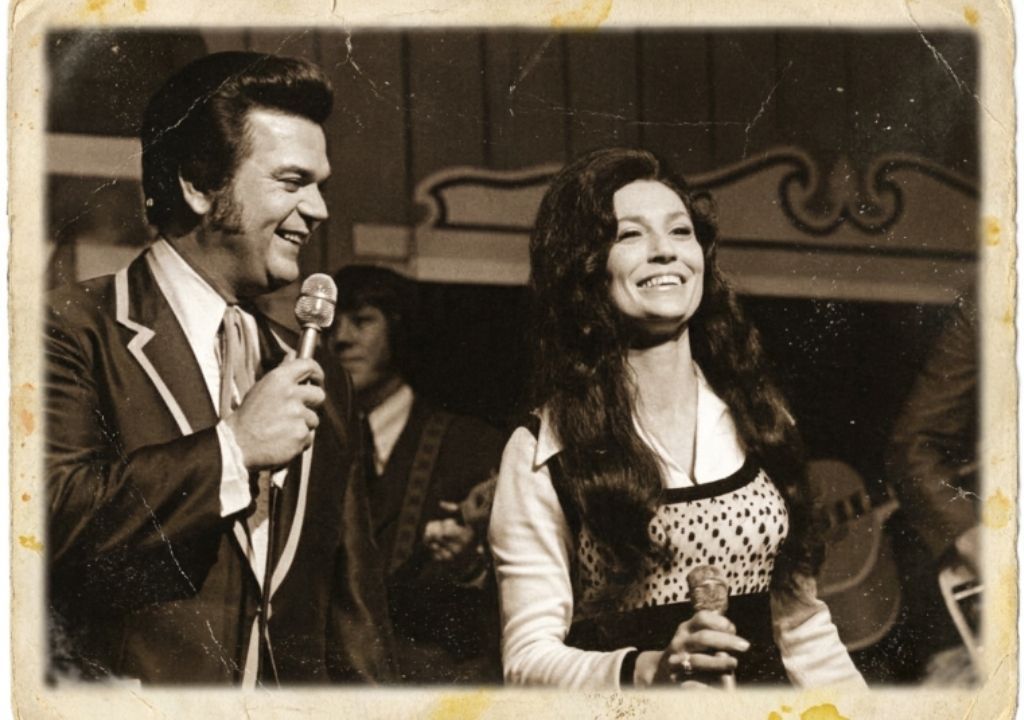
For over a decade, Conway Twitty and Loretta Lynn reigned as the undisputed king and queen of country music duets. From 1971 to 1981, their onstage vocal chemistry throbbed with raw passion, delivering five consecutive number-one hits that painted vivid tales of illicit affairs and deep romantic longing. To the millions of fans watching their electric performances across the United States, it seemed entirely impossible that these two superstars were not deeply in love behind closed doors. Yet, behind the glittering rhinestones and the burning lyrical intensity laid a fascinating, ironclad professional pact that defined their entire partnership. Before ever setting foot on a joint tour bus, Twitty and Lynn instituted a bizarre, absolute boundary regarding physical contact. They agreed never to touch, hug, or hold hands on stage, establishing a historic platonic line that shocked the Nashville establishment.
THE DETAILED STORY
In an industry where romantic duos frequently blurred the lines between performance and reality, Conway Twitty and Loretta Lynn chose a radically different path. The logic behind their strict physical boundary was both protective and profoundly calculated. First and foremost, both artists were happily married to other people. Lynn’s husband, Oliver “Doolittle” Lynn, was famously possessive and prone to jealousy, while Twitty deeply valued his family life and personal reputation. Rumors in Nashville could destroy careers in an instant, and both superstars understood that a single suggestive gesture on stage would feed the tabloids for months. To preempt any marital strife or public scandal, they shook hands on a definitive agreement: their intimacy would exist solely within the boundaries of the microphone.
This total ban on physical interaction produced an extraordinary theatrical paradox. By denying audiences the visual confirmation of a physical connection, the duo forced listeners to focus entirely on the emotional weight of their voices. When performing masterpieces like “After the Fire Is Gone” or “Lead Me On,” Twitty and Lynn would stand mere inches apart, gazing intensely into each other’s eyes without ever brushing shoulders. The resulting tension was palpable, creating a magnetic field of unresolved energy that left audiences spellbound. Lynn would later reflect in interviews that they were strictly great friends who trusted each other implicitly, which allowed them to portray forbidden love with absolute conviction.
Furthermore, this rigid boundary extended backstage. They traveled on separate buses, dressed in separate quarters, and maintained a pristine corporate distance when the cameras stopped rolling. This meticulous architectural design of their public image solidified their status as ultimate professionals. Their commitment paid off, earning them four consecutive CMA Vocal Duo of the Year awards from 1972 to 1975 without a single breath of legitimate scandal. They proved that the most powerful illusions in entertainment are built not on what is shown, but on what is strictly withheld. By treating their partnership as a sacred corporate trust, they protected their personal lives while giving country music its most electrifying and disciplined artistic legacy.