INTRODUCTION
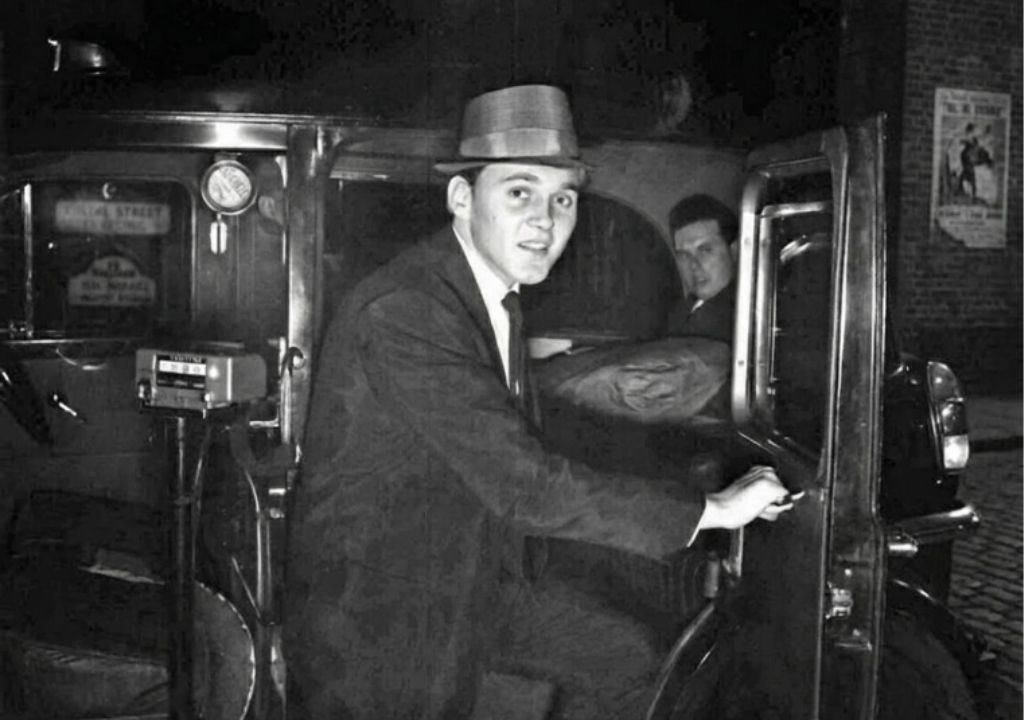
In the smoke-filled, leather-jacketed world of late 1950s British rock and roll, a young man from Liverpool named Ronald Wycherley stepped onto the stage and transformed into a tectonic force. Renamed by his calculated representation, he possessed a devastatingly handsome yet fragile demeanor that drove teenage audiences into absolute hysteria. Yet, beneath the perfectly coiffed blonde pompadour and behind the smoldering, intense gaze lay a physical detail that fueled decades of dark urban legends: a distinct, mysterious scar cutting across his cheek. For generations, the British public believed a terrifying narrative whispered in the back alleys of Merseyside. The story claimed that this beautiful, sensitive rocker had been violently cornered by a ruthless Liverpool street gang during his teenage years, branded permanently with glowing cigarette burns as a sinister mark of territorial dominance. It was a perfect, dangerous backstory for a rock rebellion icon.
THE DETAILED STORY
The investigative reality of this dark legend leads away from the razor-sharp alleys of the post-war Liverpool underworld and straight into a mundane, domestic mishap. The true culprit behind the famous facial mark was not an aggressive street gang from the Dingle neighborhood, but an unfortunate animal encounter in London. In 1943, a mere three-year-old Ronald Wycherley was visiting his father when he was unexpectedly bitten on the right cheek by a dog. The resulting injury left a deep, permanent scar that remained visible for the rest of his life.
The transition from a childhood accident to a symbol of underworld violence highlights the calculated machinery of mid-century British pop management. When the young, painfully shy singer was discovered in 1958 by the legendary impresario Larry Parnes, the music industry was desperate for raw, dangerous anti-heroes who could match the American rock rebellion of Elvis Presley. Parnes was an absolute mastermind of image curation, famous for forging a stable of clean-cut boys and giving them aggressive, high-energy stage personas with intense surnames like Wilde, Eager, and Pride.
Upon rebranding the young Liverpudlian as an explosive performer, the mundane truth of a childhood dog bite simply did not align with the desired aesthetic. Consequently, the narrative was masterfully retooled for the nationwide music press. Dramatic stories began circulating that the young singer had run with vicious local street gangs and purchased a lethal flick knife with his very first paycheck. The facial mark was strategically reinterpreted by executives as a literal branding received during a dangerous gangland initiation. This manufactured edge provided a brilliant marketing contrast to his genuinely gentle personality and fragile health, allowing him to captivate a generation of rebellious youths. Ultimately, the legendary cigarette burns were entirely fictional, representing a highly sophisticated, multi-layered publicity campaign that successfully transformed a simple, unfortunate scar into an iconic badge of early rock rebellion.