INTRODUCTION
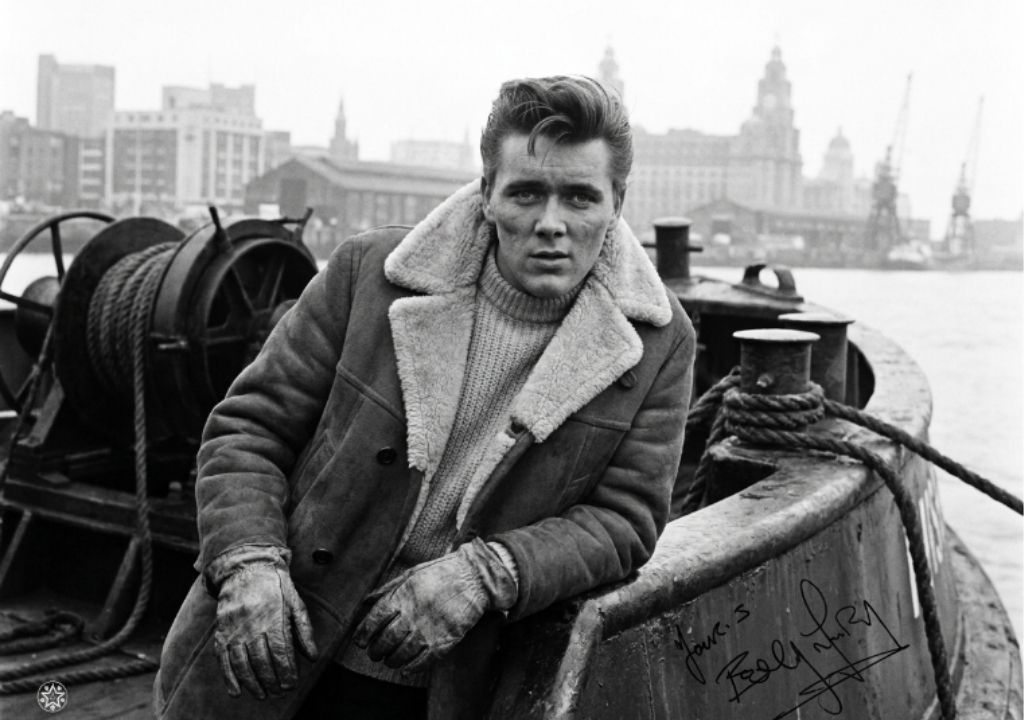
The chilling wind blowing across the River Mersey in 1956 carried the heavy scent of diesel fuel, industrial salt, and wet coal. Standing on the slippery wooden boards of a commercial tugboat named The Formby, a frail sixteen-year-old boy hauled massive, frost-bitten ropes out of the dark water. Long before he captured the hearts of millions under the stage name Billy Fury, young Ronald Wycherley spent his grueling days as an unsung laborer for the Alexandra Towing Company. He swept industrial soot, scrubbed iron bulkheads, and threw hot steel rivets in the nearby shipyards just to bring home a meager paycheck to his working-class family in The Dingle. Yet, beneath the grease-stained overalls and the exhausting manual labor, an artistic revolution was quietly brewing. The rhythm of the churning river waves would soon transform a quiet dock worker into a legendary musical force.
THE DETAILED STORY
Life on the Liverpool waterfront was notoriously unforgiving, demanding absolute physical resilience. For the future pop icon, the stakes were even higher. Having survived a severe bout of childhood rheumatic fever, his heart was permanently weakened, making the heavy lifting and constant exposure to damp, freezing maritime conditions a dangerous gamble. Yet, the docks provided an unexpected silver lining: unprecedented access to global music. As a bustling international port, Liverpool became a gateway for American vinyl records brought over by sailors. Ronald eagerly absorbed the sounds of country, blues, and early rockabilly, finding solace in the rebellious energy of artists like Eddie Cochran and Elvis Presley.
Armed with a cheap acoustic guitar purchased by his father, the young deckhand turned the cold steel walls of the tugboat into his private rehearsal studio. He taught himself chords between exhausting shifts and formed a casual skiffle group with his maritime colleagues, playfully dubbed the Formby Sniffle Group. This blue-collar environment became the unlikely crucible where he honed his songwriting craft. Unlike most of his contemporary British peers who merely covered American hits, Ronald began writing highly personal, emotionally raw material directly inspired by his solitary hours on the river.
By 1958, his worsening heart condition made it impossible to continue the grueling physical demands of seafaring labor. He left the River Mersey, but his maritime journey had already etched an indelible authenticity into his artistic identity. When music impresario Larry Parnes discovered him backstage later that year, he instantly recognized the potent combination of vulnerable charm and rugged masculinity. Rechristened as Billy Fury, the former cleaner skyrocketed into the cultural stratosphere, eventually securing an astonishing 332 weeks on the charts during the 1960s. He became a pioneer by writing all ten tracks for his seminal debut record, The Sound of Fury. The industrial grit of the Mersey tugboats had successfully forged the most authentic rock and roll star of his generation.