INTRODUCTION
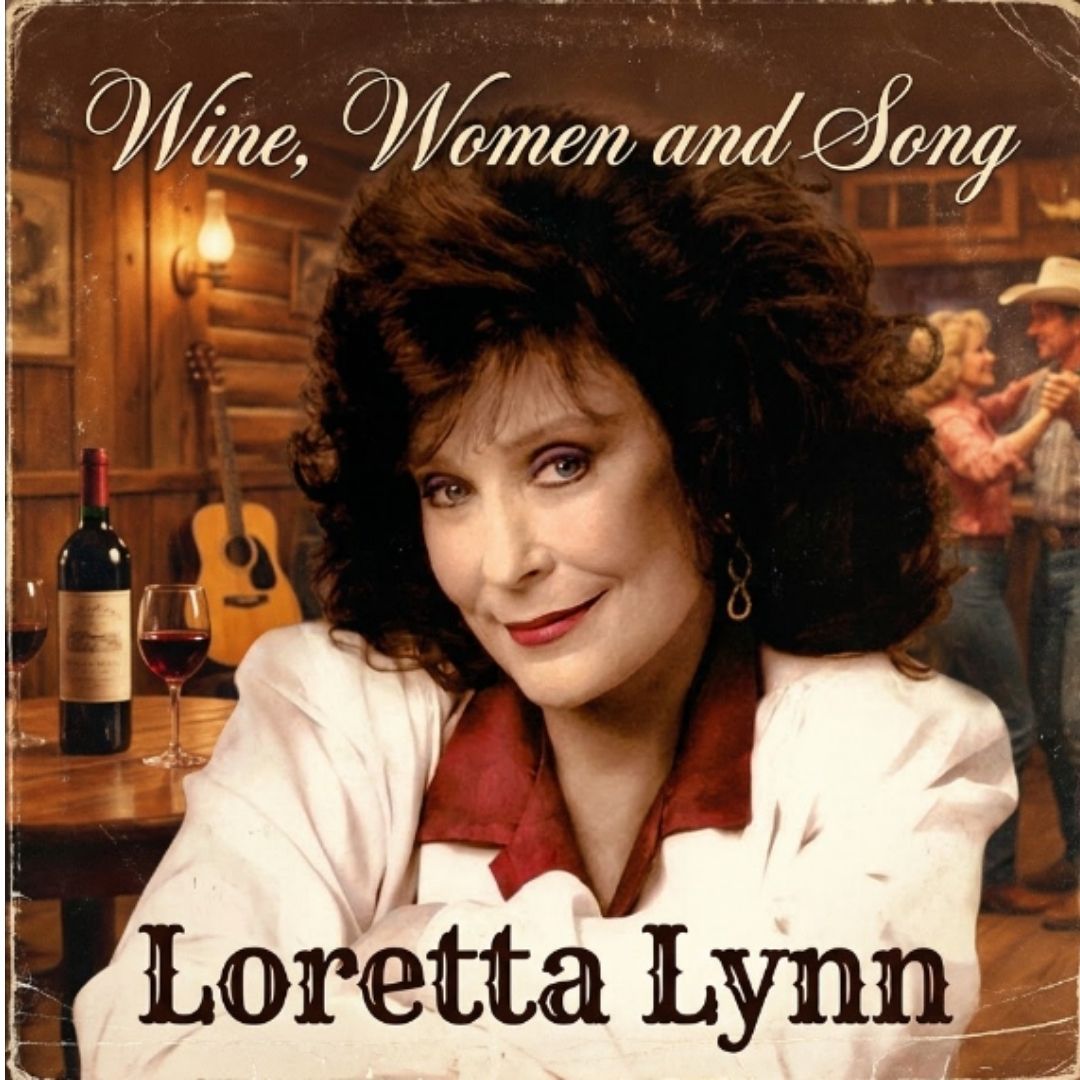
In the vibrant landscape of early 1960s country music, Nashville was undergoing a profound transition. While smooth strings and polished vocal choruses were rising in popularity, the true heartbeat of rural America remained firmly rooted in the smoke-filled air and hardwood floors of the honky-tonk. Straight from the hardscrabble hills of Butcher Hollow, Kentucky, Loretta Lynn emerged as the undisputed voice of working-class reality. Released in 1964 as a standout single that solidified her rapid rise, “Wine, Women and Song” serves as a masterclass in classic country storytelling, blending unapologetic grit, sharp wit, and timeless emotional honesty.
Written by the gifted songwriter Betty Sue Perry, “Wine, Women and Song” tackles a theme deeply embedded in the traditional country canon: the heartache and frustration of a woman left waiting at home while her partner indulges in late-night revelry. Yet, what sets this track apart from standard heartbreak ballads is its fiery spirit. Rather than wallowing in passive sorrow or silent resignation, the narrator addresses the situation with a clear-eyed directness that became Loretta Lynn’s signature trademark. The lyrics paint a vivid narrative picture of neon lights flickering in tavern windows, glasses clinking, and the fleeting temptations of the night life, contrasted sharply with the quiet, solitary reality of a home left behind.
Musically, “Wine, Women and Song” is a shining jewel of mid-century Decca Records production, helmed by the legendary Owen Bradley. The arrangement relies on the crisp, driving pulse of traditional honky-tonk instrumentation. The track features bright, weeping pedal steel guitar lines that weave expertly through the vocal melody, accompanied by a buoyant acoustic rhythm guitar, a steady bass groove, and the subtle, dancing keys of a classic country piano. The instrumentation carries a natural swing that invites listener movement, creating a captivating contrast between the song’s uptempo, infectious melody and its sobering thematic content.
At the center of this musical storm is Loretta Lynn’s unforgettable vocal delivery. Possessing an organic, Appalachian twang that could pierce through any room, Lynn sings with an authentic authority that cannot be taught or manufactured. Her voice balances rustic charm with a sharp, resilient edge, ensuring every syllable lands with emotional weight. She doesn’t just sing about the trials of domestic life; she lives and breathes them, giving voice to millions of listeners who recognized their own lived experiences within her songs.
Listening to “Wine, Women and Song” today is like taking a step back into a golden era of jukeboxes, spinning vinyl, and unvarnished truth. Decades after its release, the song remains a testament to Loretta Lynn’s trailblazing legacy—a pioneer who proved that vulnerability and strength could coexist in country music. It stands as an enduring classic, capturing the rich, nostalgic soul of mid-century American songcraft.