INTRODUCTION
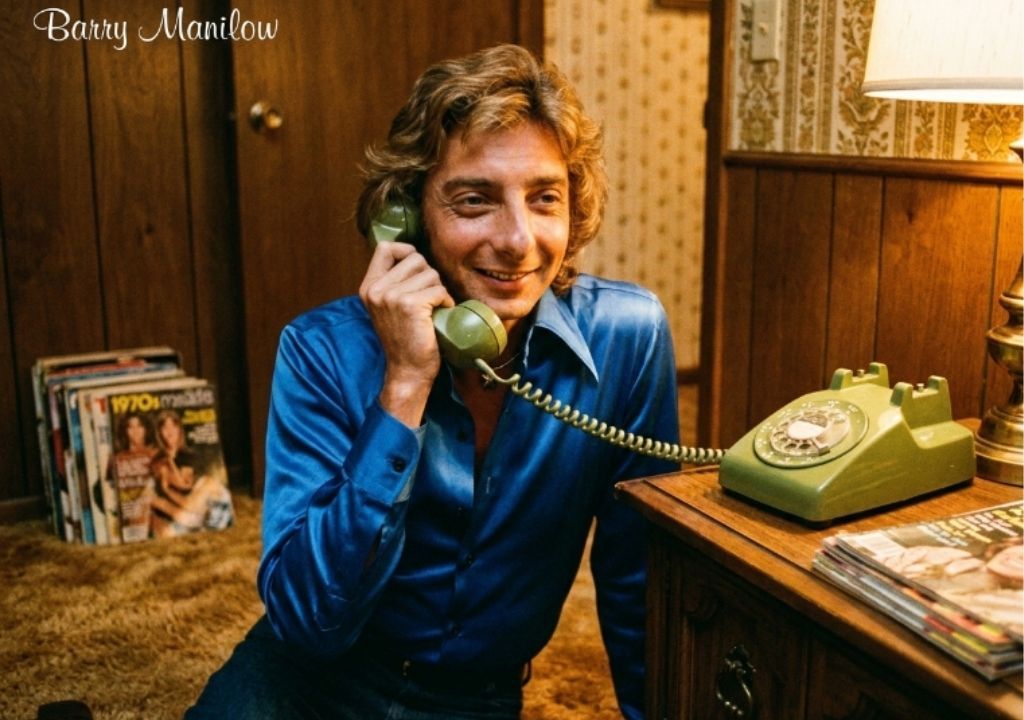
On the freezing morning of January 18, 1975, at exactly 09:00 AM ET, executives inside the newly minted Arista Records headquarters in New York City witnessed an industry paradigm shift. The Billboard Hot 100 chart confirmed that ‘Mandy’ had officially captured the No. 1 spot. This milestone did not occur by mere happenstance. Behind the sweeping romance of the ballad lay a highly calculated, heavily funded institutional campaign orchestrated by industry titan Clive Davis. For decades, whispers circulated within rival camps that this unprecedented chart dominance was the result of a ruthless corporate strategy designed to systematically suppress competing artists. Critics pointed to massive financial outlays and aggressive radio formatting control as evidence of artificial market distortion. Yet, an investigative dissection of the historical records reveals a narrative far more complex than simple underhanded backroom sabotage.
THE DETAILED STORY
The mid-1970s record business operated under an intense, capital-driven framework where visibility was bought and sustained through immense promotional power. When Clive Davis established Arista Records with a massive $10,000,000 corporate investment, he required a flagship artist to anchor the label’s financial viability. Barry Manilow became that vehicle. The true exercise of ‘power and money’ did not manifest as illicit bribes or malicious sabotage against specific individuals; rather, it was deployed via a sophisticated, multi-million-dollar institutional apparatus that effectively crowded out smaller independent labels. Arista capitalized on an aggressive network of independent radio promoters who ensured Manilow’s tracks received maximum saturation across major markets from New York to Los Angeles.
This immense financial backing created a formidable barrier to entry for competing artists. During a period when prime radio slots were exceptionally finite, Arista’s overwhelming budgetary allocations for commercial pressings, nationwide retail displays, and high-profile television specials—such as ‘The Barry Manilow Special’ airing to record-breaking primetime ratings—guaranteed total cultural saturation. Competitors frequently complained that they were systematically starved of airtime, as Top 40 program directors consistently prioritized Manilow’s polished, high-performing catalog to mitigate their own commercial risks.
Furthermore, Manilow’s singular background as a master composer of commercial jingles gave him an innate understanding of auditory psychology, creating songs engineered for instant retention. When combined with Davis’s unparalleled legal and corporate acumen, this created an absolute commercial monopoly. Between 1974 and 1983, Manilow secured 25 Top 40 singles, including three No. 1 hits on the Billboard Hot 100. The sheer velocity of this marketing juggernaut meant that any rival single released in the same cycle was effectively buried under a landslide of corporate spending and relentless airplay. It was an era defined by structural dominance, proving that in the high-stakes theater of American pop music, the ultimate weapon was a perfectly optimized synthesis of artistic commercialism and limitless corporate capital.