INTRODUCTION
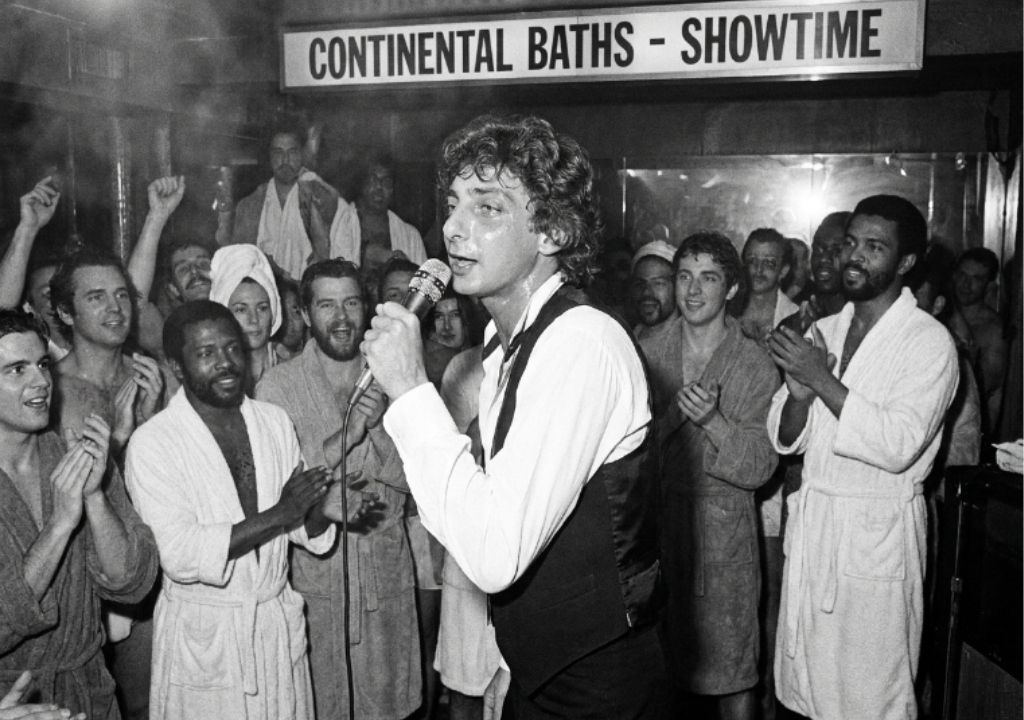
In the humid, towel-clad basement of Manhattan’s Ansonia Hotel circa 1972, a young commercial jingle writer sat at a grand piano, anchoring a cultural revolution. This was the Continental Baths, a sanctuary where gay liberation and high-camp performance collided. Long before filling arenas worldwide, Barry Manilow spent his formative nights here accompanying Bette Midler. Surrounded by an audience stripped of societal pretenses, Manilow absorbed an invaluable lesson in raw, unvarnished showmanship. This subterranean venue was not merely a stepping stone; it was the crucible that shattered his rigid classical training and unlocked the authentic, emotionally resonant performer within. In this liberated space, free from mainstream commercial pressures, he discovered how to forge an unbreakable, intimate connection with listeners—a defining trait that would later propel his multi-platinum solo career into the annals of American pop history.
THE DETAILED STORY
To understand the enduring genius of Barry Manilow, one must look past the glittering marquee lights of Las Vegas and look deep into the underground safe havens of New York City. In the early 1970s, the music industry demanded clinical perfection, yet the bathhouse demanded absolute vulnerability. Performing for patrons clad only in white towels forced Manilow to strip away any artistic artifice. Alongside Midler, he learned to navigate an unpredictable, highly charged atmosphere where audiences rejected standard pop formulas.
This environment forced a profound artistic pivot. Manilow’s immaculate arrangements began to merge with a raw, theatrical vulnerability. The bathhouse served as a testing ground for emotional expression, forcing him to understand that pop music was not just about melody, but about profound shared experience. It was here that he mastered the dramatic crescendo, the pregnant pause, and the art of treating a song as a three-minute narrative arc. When Arista Records executive Clive Davis later signed him, Manilow brought this underground education to the mainstream.
The impact was immediate and historic. In November 1974, Barry Manilow released “Mandy,” an emotionally sweeping ballad that topped the Billboard Hot 100 chart. The track’s soaring emotional climax drew directly from the uninhibited, theatrical dynamics cultivated during his bathhouse residency. Critics initially struggled to categorize his style, but audiences connected instantly with the raw sincerity he honed in front of New York’s most marginalized communities.
Ultimately, the Continental Baths provided Manilow with the ultimate artistic paradox: within an environment completely hidden from the mainstream public eye, he discovered the exact creative formula needed to capture the hearts of the global masses. It remains the foundational architecture of a career that has yielded more than 85 million records sold globally, proving that true pop timelessness always requires a fearless, deep immersion into the authentic human experience.