INTRODUCTION
Inside a cramped, rundown apartment on South Fifth Street in Brooklyn, a young boy stared out at the gray, industrial expanse of 1940s Williamsburg. This was the world of Barry Alan Pincus, a child surrounded by the claustrophobic weight of systemic financial lack. Before he adopted his mother’s surname and redefined American adult contemporary music, his daily reality was dictated by the unrelenting anxiety of the working class. Williamsburg was not yet the trendy enclave of the twenty-first century; it was a rugged, immigrant-heavy landscape where survival was a daily negotiation. Yet, amid the peeling wallpaper and the cold New York winters, an acute awareness of his family’s economic vulnerability began to crystallize. This deep-seated fear of poverty did not paralyze him; instead, it sparked an intense, lifelong obsession with security, artistic mastery, and ultimate escape.
THE DETAILED STORY
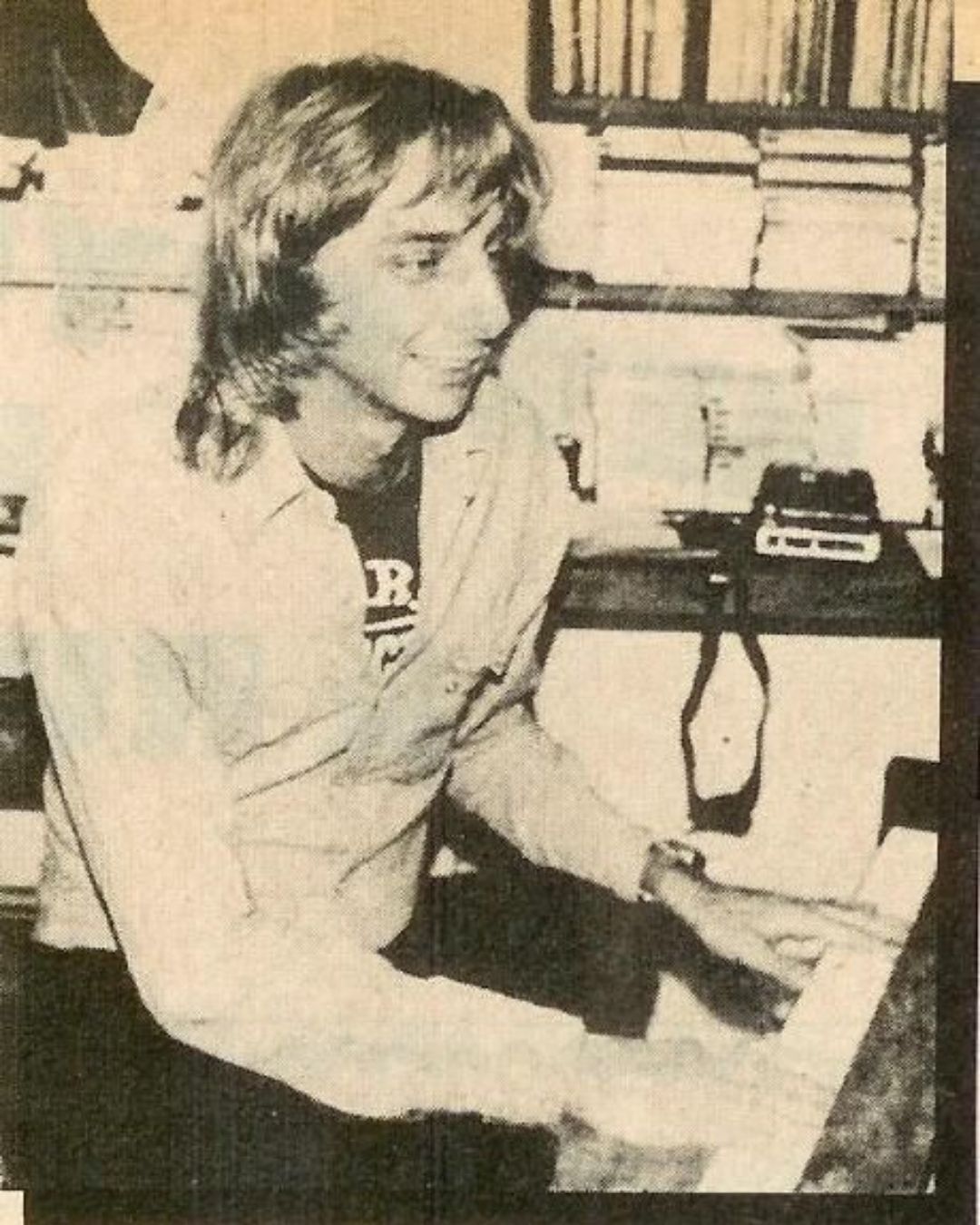
The psychological blueprint of Barry Manilow was forged in an environment where financial instability was a constant, looming shadow. Raised primarily by his mother, Edna, and his maternal grandparents in a cramped apartment, the young musician internalized the harsh realities of a post-depression neighborhood. The constant threat of economic ruin created a profound psychological obsession with achieving total financial and creative independence. This internal drive intensified when his stepfather, Willie Murphy, entered his life and introduced a cheap spinet piano into their small living space—a luxury that required immense sacrifice.
Music quickly transitioned from a mere hobby into an absolute lifeline, a literal ticket out of the Williamsburg slums. Manilow threw himself into his studies at the New York College of Music and the Juilliard School, driven by a persistent terror of returning to the poverty of his youth. His obsession manifested as an unmatched work ethic in the competitive jingle-writing industry of the late 1960s, where he composed iconic commercial themes before transitioning to mainstream stardom.
By the time his breakout single topped the charts on 01/18/1975, the singer had completely re-architected his destiny. The destitute boy from Brooklyn transformed his deep-seated fears into a historic career, where he eventually exceeded $100 million in earnings and sold more than 85 million records globally. This staggering commercial success was never just about fame; it was a calculated, lifelong campaign to permanently outrun the economic ghosts of Williamsburg.
Ultimately, Manilow’s narrative proves that the most enduring artistic empires are often built because of the fierce determination born within early adversity. He rewrote the script of his life, ensuring that the deprivations of his childhood became the bedrock of an unassailable global legacy that spans decades. Every soaring melody and grand orchestration he produced echoed a subconscious refusal to ever let the darkness of financial vulnerability overtake his world again.