INTRODUCTION
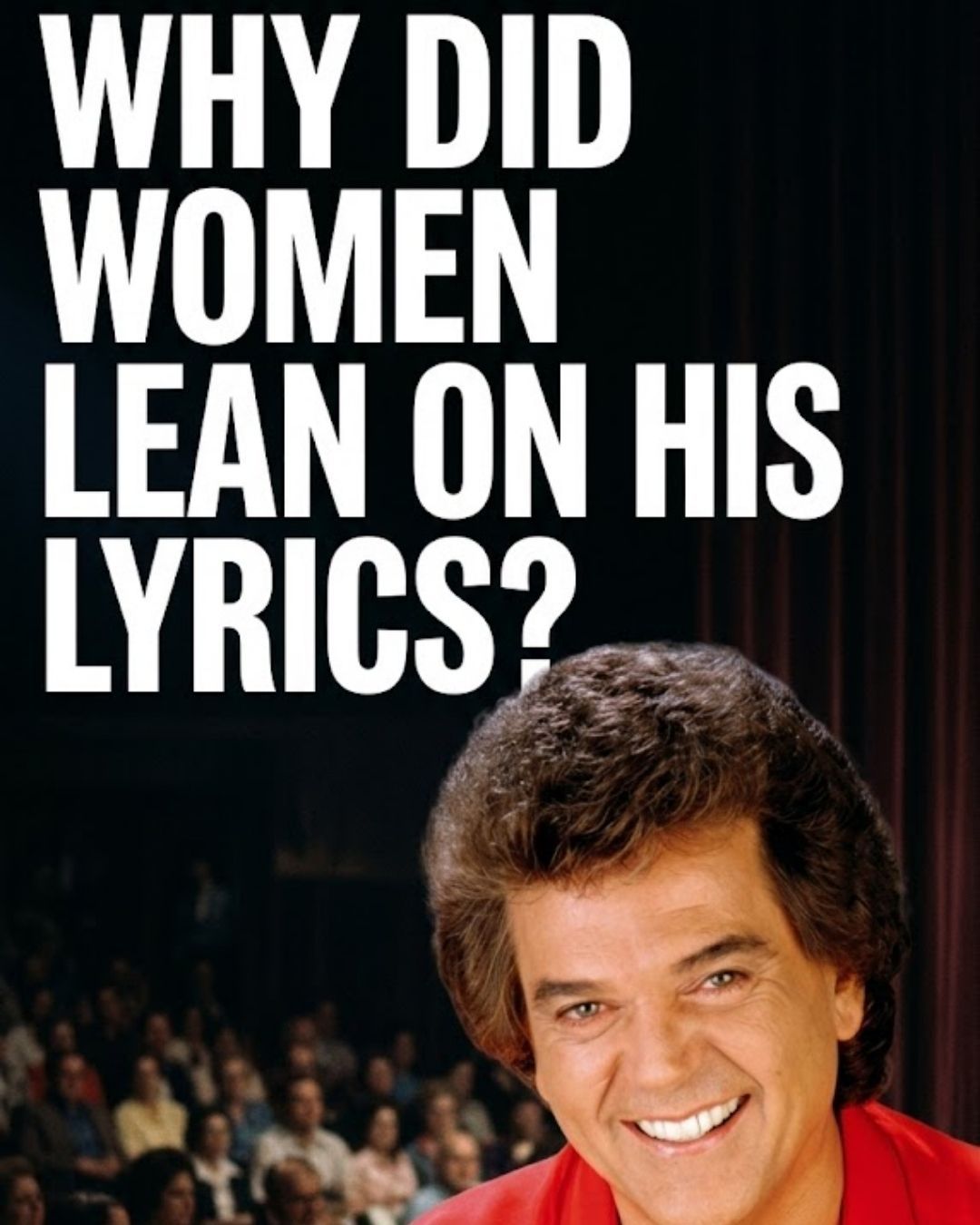
The dim glow of a Nashville recording booth in the early 1970s captured something rare: Conway Twitty’s signature growl was not about masculine posturing, but an exercise in radical attentiveness. While mainstream country frequently leaned into honky-tonk bravado or bitter heartbreak, Twitty discovered a far more enduring narrative: the unspoken emotional lives of women. From the sultry reassurance of his chart-topping ballads to the quiet compassion in his mid-tempo stories, he treated feminine desire, conflict, and longing with unprecedented dignity. His voice never demanded the room; it leaned in like a trusted confidant speaking across a kitchen table. But how did a former rockabilly singer from Mississippi become the definitive emotional compass for millions of devoted listeners across America?
THE DETAILED STORY
Born Harold Jenkins, the artist who adopted the name Conway Twitty first conquered pop charts with 1958’s “It’s Only Make Believe.” Yet when he committed fully to country music in the mid-1960s under producer Owen Bradley at Decca Records, he unlocked a revolutionary dimension of vocal phrasing and storytelling. Rather than framing women as passive muses or distant heartbreakers, Twitty positioned his characters as equal emotional partners whose interior lives commanded complete respect.
In his defining compositions, the narrative stakes were deeply human. In 1975’s “Linda on My Mind,” he navigated the quiet torment of unintended infidelity with remorse and nuance rather than selfish triumph. With 1980’s “Tight Fittin’ Jeans,” he chronicled an evening escape from high-society pressures, celebrating working-class connection without a trace of condescension. Most enduringly, his 1980 standard “I’d Love to Lay You Down” transformed romantic pursuit into a poetic celebration of aging together, reaffirming devotion across decades.
His most pivotal artistic statement arrived with 1973’s “You’ve Never Been This Far Before.” Temporarily banned by several conservative radio stations upon release due to its frank intimacy, the track soared to No. 1 on the Billboard Hot Country Singles chart. The song succeeded precisely because it focused on a woman’s emotional vulnerability, validating her hesitation and establishing physical intimacy as a sacred bond of mutual trust.
By the end of his career, Twitty had amassed 55 No. 1 singles across major national charts, establishing a benchmark of emotional literacy that expanded Nashville’s lyrical boundaries. He avoided grandstanding or objectification, choosing instead to interpret the complexities of love with profound empathy. In doing so, Conway Twitty cemented a legacy not merely as a hitmaker, but as country music’s ultimate master of the empathetic ballad.