Introduction
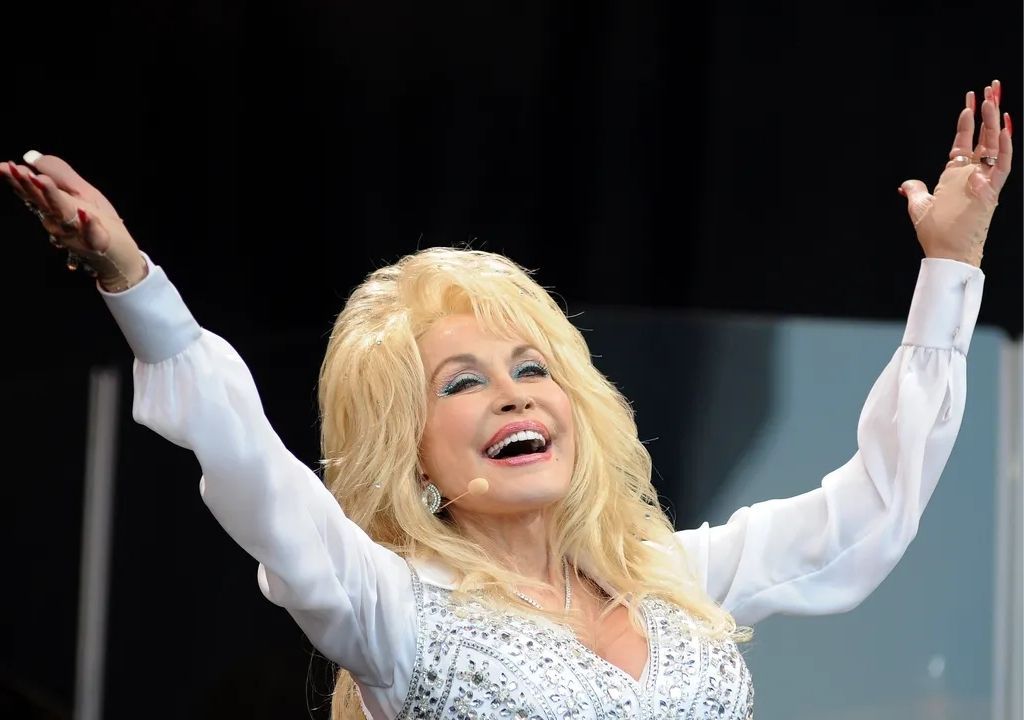
There is a rare, delicate alchemy in songwriting where a piece born out of professional necessity somehow transforms into a universal anthem of the human heart. Long before it became a soaring, multi-platinum pop monolith in the 1990s, “I Will Always Love You” was a quiet, acoustic prayer whispered into the smoky air of Nashville, Tennessee. Written in 1973 by a young Dolly Parton, the song was never meant to be a traditional romantic tragedy. Instead, it was an agonizingly beautiful letter of resignation and gratitude addressed to her long-time mentor and television partner, Porter Wagoner. Dolly realized that to spread her own wings and claim the solo stardom that clearly awaited her, she had to step out from Wagoner’s towering shadow. Unable to find the right words to speak to him without crying, she went home, picked up her guitar, and let her soul do the talking. The next morning, she sang it to him in his office, leaving them both in tears—a cinematic moment that birthed one of the greatest pieces of art in American music history.
When you spin the original 1974 recording, the atmosphere is completely different from the epic grandiosity most modern listeners associate with the title. It feels incredibly intimate, like sitting in a dimly lit living room while a fire crackles softly in the hearth. The track opens with a gentle, finger-picked acoustic guitar and a weeping steel guitar that carries the unmistakable, melancholic DNA of classic 1970s country music. Dolly’s voice enters not with a roar, but with a tremulous, feather-light vulnerability. Her signature vibrato is on full display, shimmering with a mix of absolute certainty and profound sadness. She isn’t shouting her love from the mountaintops; she is gently laying it down on the porch, stepping away with a heavy heart but a clear gaze.
The true emotional anchor of Dolly’s original version lies in its brilliant spoken-word bridge. Midway through the song, the instrumentation pulls back even further, leaving her voice completely bare as she recites the spoken lines. It is a moment of pure, unvarnished theatrical honesty that modern productions rarely dare to attempt. Hearing her speak those words directly to the listener makes the heartbreak palpable, transforming the song from a performance into a lived experience. It captures the essence of Dolly Parton as an artist: a woman fiercely independent and remarkably strong, yet entirely unafraid to show the fractures in her own heart. This balance of steel and silk is what defined her era and cemented her status as a legendary storyteller.
Decades have passed since that fragile melody was first captured on tape in RCA Studio B, yet its emotional resonance has not aged a single day. It reminds us of a time when music didn’t rely on digital correction or polished perfection to move the needle, but on the sheer, unadulterated power of raw human emotion. Dolly’s original version remains an essential testament to the beauty of letting go with grace, proving that the most enduring love stories are sometimes the ones where we choose to walk away so that both souls can truly fly.