Introduction
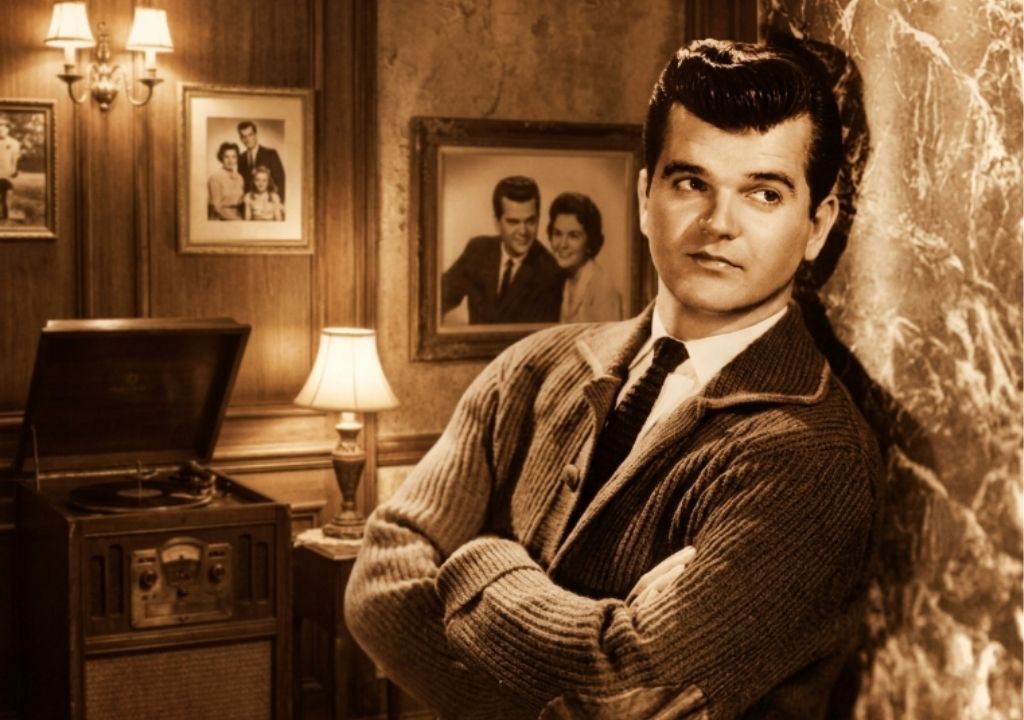
The late 1950s was a magical, transitional epoch in modern music, an era where the raw, rebellious energy of early rockabilly began to fuse seamlessly with the sweeping, dramatic orchestration of traditional pop ballads. Jukeboxes in dimly lit diners across the world hummed with a new kind of teenage angst and romantic yearning. In the middle of this sonic revolution stood a young Harold Lloyd Jenkins, a man the world would soon come to cherish under the iconic moniker of Conway Twitty. Before he ascended to his rightful throne as a legendary pillar of country music, he delivered a masterpiece that defined a generation. When “Its Only Make Believe” burst onto the airwaves in 1958, it did not merely climb the charts; it completely captured the collective heartbeat of anyone who had ever loved someone from afar. Dropping the needle onto that vintage vinyl record instantly transports us back to a time of pompadours, classic cars, and the kind of heavy, unfiltered emotion that could only be expressed through pure vocal power.
At its core, the song is a cinematic exploration of unrequited love and the desperate psychological coping mechanisms of a broken heart. Conway sings from the perspective of someone trapped in a self-inflicted illusion, pretending that a one-sided affection is a reciprocated romance. The thematic weight of the lyrics is incredibly heavy, yet beautiful in its absolute vulnerability. In an era when male singers were often expected to project an image of stoic confidence, Conway chose to bare his soul entirely, weeping through the verses with a devastating clarity. The brilliance of the song lies in this universal truth: the painful recognition that the warmth you feel is just a phantom of your own imagination. It strips away the superficiality of typical teenage pop tracks of the era, replacing it with a mature, agonizing look at the shadows of human desire.
Musically, the track is a masterclass in tension and release. It opens with a deceptively gentle, rhythmic pulse, accompanied by a soft acoustic strumming that feels like a quiet confession whispered in the dark. But as the song progresses, the arrangement builds into a towering wall of sound. Conway’s vocal performance is nothing short of operatic. His voice begins as a rich, smoky baritone, heavily reminiscent of Elvis Presley—so much so that many listeners initially mistook the track for a secret Presley release. However, as Conway reaches the soaring crescendo of the chorus, his distinct, gravelly growl cuts through the melody with an intensity that belongs entirely to him. The dramatic vocal climbs and the passionate, trembling execution showcase a singer pushing his physical limits to convey the sheer scale of his heartbreak. It was a spectacular showcase of raw, analog recording quality, where every breath and vocal strain carried an authentic weight that modern production simply cannot replicate.
Decades after its initial release, “Its Only Make Believe” continues to hold an enduring grip on the hearts of music lovers everywhere. It serves as a breathtaking, nostalgic window into a bygone golden age of songwriting, capturing the exact moment when rock and roll found its sentimental soul. Listening to it today brings a profound sense of comfort and melancholy, reminding us of the timeless power of an honest voice and a melody that refuses to fade away. It remains a crowning achievement in Conway Twitty’s legendary catalog, a definitive blueprint for emotional storytelling that continues to echo beautifully through the hallways of musical history.