Introduction
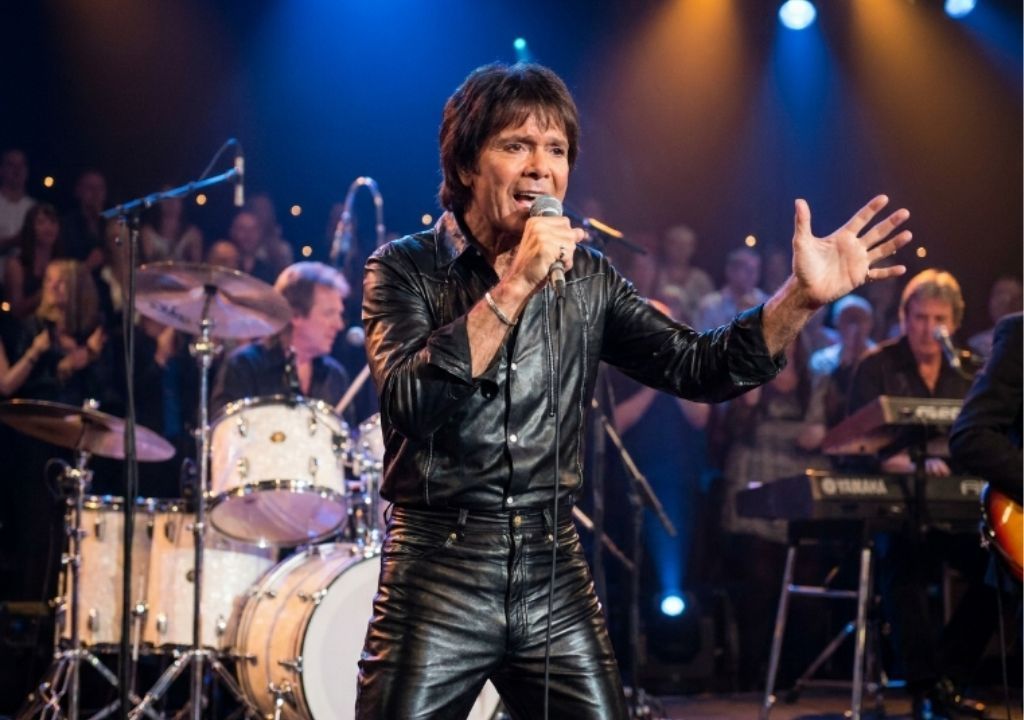
There is a distinct, bittersweet magic that belongs entirely to the late 1970s—a transitional golden hour where the raw acoustic warmth of the decade met the sleek, pulsating shadows of modern synthesizers. In the summer of 1979, Sir Cliff Richard stepped into this changing sonic landscape and delivered a masterpiece that would redefine his career and provide the definitive soundtrack for heartbreak across generations. “We Don’t Talk Anymore” is not just a song; it is a cinematic vignette of quiet desperation, capturing that precise, devastating moment when two people who once shared everything become absolute strangers.
By 1979, Cliff Richard was already a veteran of the music industry, having risen to fame in the late 1950s as Britain’s answer to Elvis Presley. Yet, while many of his contemporaries faded into nostalgia acts, Cliff possessed a rare, chameleonic ability to evolve. Teaming up with songwriter and producer Alan Tarney, he discovered a fresh, contemporary pulse. Tarney’s arrangement for the track was revolutionary for its time, blending a driving, infectious bassline with crisp, minimalist percussion and layers of atmospheric synthesizers. This created a profound irony that lies at the very heart of the track’s brilliance: the music makes you want to dance, even as the lyrics gently break your heart. It is the ultimate manifestation of the “crying on the dancefloor” trope, long before it became a staple of modern pop.
The narrative of the song is deeply relatable, stripping away melodramatic histrionics in favor of a devastating, everyday reality. The protagonist is caught in the painful aftermath of a severed relationship, forced to watch from afar as the person they love moves on into someone else’s arms. The lyricism is understated yet incredibly sharp, highlighting the mundane tortures of lost love—hearing rumors through mutual friends, passing by familiar places, and coping with the crushing weight of unreturned phone calls. When Cliff sings the central refrain, his delivery is a masterclass in emotional restraint. He does not shout or weep; instead, his voice carries a weary, bruised tenderness that mirrors the exhaustion of trying to forget.
What truly elevates the track is this vocal performance, which remains one of the finest of his decades-long career. His tone is smooth, almost conversational, yet laced with an undeniable undercurrent of melancholy. The backing vocals, also meticulously arranged by Tarney, wrap around Cliff’s lead like echoes of memories fading into the night, amplifying the sense of isolation.
When “We Don’t Talk Anymore” soared to the top of the charts worldwide, becoming Cliff’s tenth UK number-one single and a massive hit in the United States, it solidified his status as a timeless icon. Decades later, dropping the needle on this record still evokes a vivid sense of nostalgia. It instantly transports the listener back to a time of neon lights, cassette tapes, and late-night radio sessions, proving that true emotional honesty never goes out of style.