Introduction
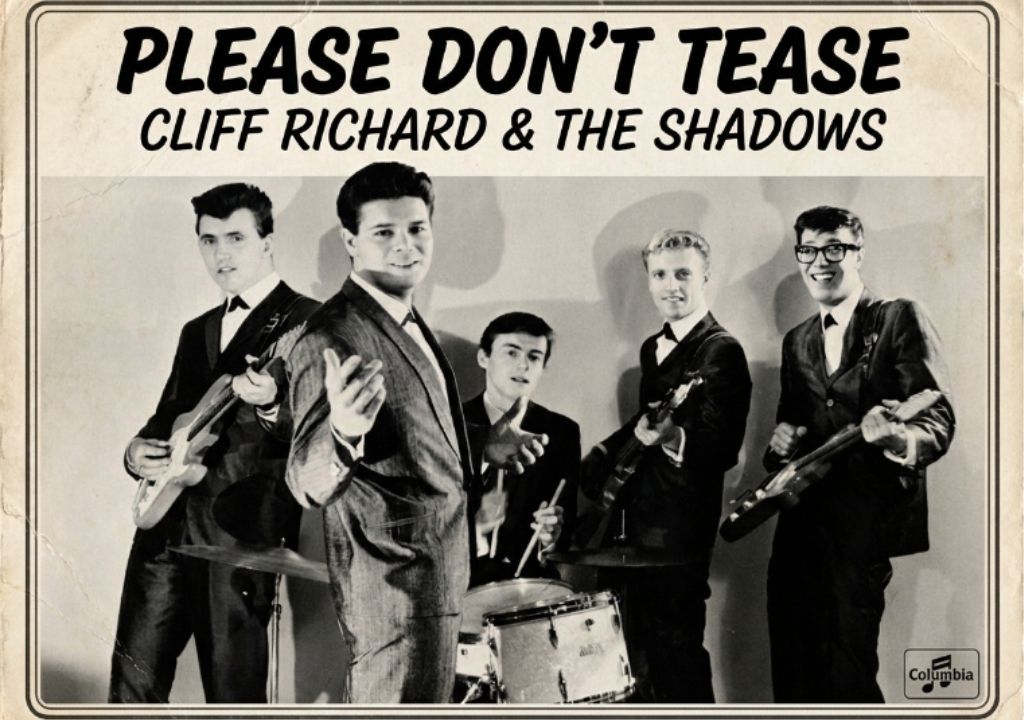
Let’s paint a picture of the late 50s and early 60s British music scene. Before the Beatles reshaped the globe, British youth culture belonged to Sir Cliff Richard and his legendary backing band, The Shadows. Released in 1960, “Please Don’t Tease” wasn’t just another single; it became a defining anthem of an era transitioning from raw rockabilly into a more polished, melodic pop-rock sound. It captured a moment of innocent romance, a sweet vulnerability that resonated deeply with a generation discovering its own voice amidst the crackle of vinyl records and the warm glow of AM radio.
There is an undeniable magic in the way the song opens. The signature crisp, echoing guitar tones of Hank Marvin immediately set the stage, accompanied by the driving yet smooth rhythm section of The Shadows. They didn’t just back Cliff; they breathed life into the arrangement, creating a sonic landscape that was uniquely British. Hank Marvin’s clean, melodic playing style—characterized by his pioneering use of the tremolo arm and the vintage echo box—gave the track a distinctive, shimmering quality that still sounds incredibly fresh today. It provides the perfect, bouncy counterpoint to Cliff’s smooth, youthful vocals.
Cliff Richard himself delivers the lyrics with a captivating blend of earnest charm and playful desperation. The song addresses the universal ache of young love—the agonizing, beautiful suspense of not knowing whether a crush feels the same way. When Cliff sings the plea to not be teased, his voice carries a velvety warmth that instantly makes the listener empathetic. He manages to sound vulnerable without losing his cool, rockstar edge, a balancing act that solidified his status as Britain’s ultimate heartthrob of the time. The track perfectly balances the upbeat energy of early rock ‘n’ roll with the emotional accessibility of a classic pop ballad.
Listening to “Please Don’t Tease” decades later feels like stepping into a time capsule. It evokes vivid imagery of smoke-filled milk bars, youth clubs, and the simple joy of dropping a coin into a neon-lit jukebox. It reminds us of a time when music felt tangible, when waiting for a song to play on the radio was an event in itself. The production, though simple by modern standards, possesses a rich, analog warmth that digital recordings rarely replicate. Every snap of the snare, every vibrato of the guitar, and every nuance in Cliff’s voice carries the weight of history and nostalgia. It remains a shining testament to the enduring power of melody and the timeless spirit of youth.