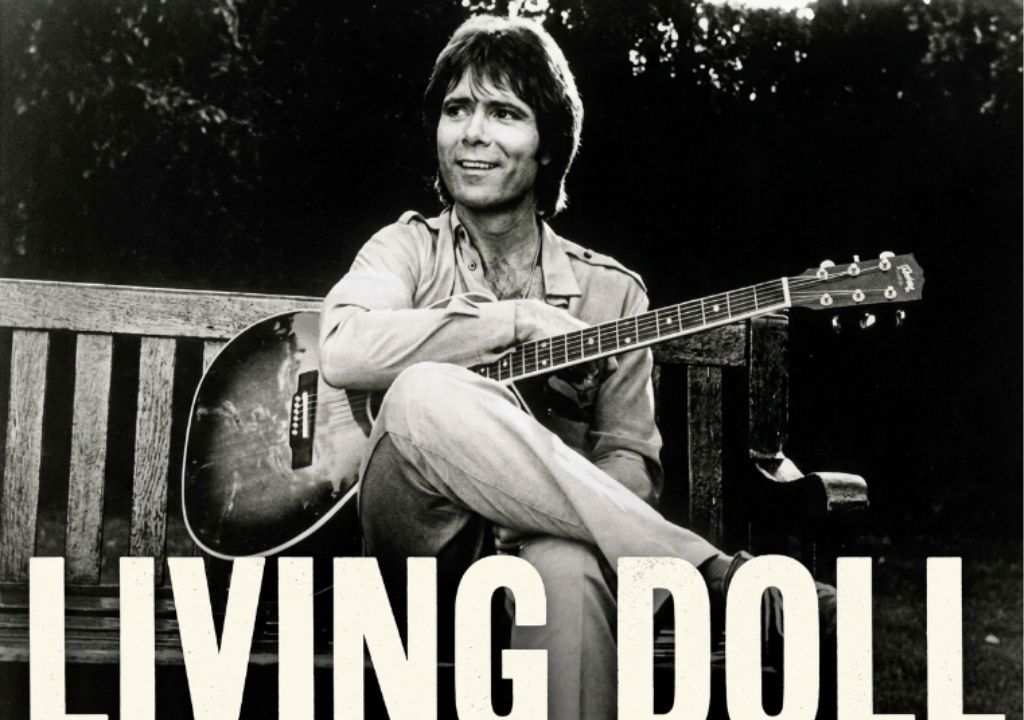
Introduction
To truly understand the magic of popular music, one must occasionally travel back to the fading twilight of the 1950s—a time when the world stood on the precipice of a cultural revolution, and the airwaves were filled with the crackle of vinyl and the sweet warmth of tube radios. It was in this vibrant, transitional era that a young British phenomenon named Cliff Richard, alongside his legendary backing band The Shadows, captured the hearts of millions with a song that would become an enduring anthem of innocent romance: “Living Doll.” Released in 1959, this track did not just top the charts; it wove itself into the fabric of a generation’s collective memory, embodying the gentle, sun-drenched nostalgia of post-war youth culture.
When “Living Doll” first graced the airwaves, Cliff Richard was primarily known as Britain’s answer to Elvis Presley—a brooding, leather-jacketed rock and roller with an edgy stage presence. However, this particular masterpiece, penned by the brilliant songwriter Lionel Bart for the film Serious Charge, forced a magnificent artistic pivot. Originally envisioned as a fast-paced, aggressive rockabilly number, the band wisely decided to slow the tempo down, transforming it into a light, acoustic-driven ballad. This brilliant creative choice highlighted the natural, velvety texture of Cliff’s vocals and showcased an astonishingly mature intimacy that resonated deeply with listeners of all ages. The gentle, rhythmic strumming of the acoustic guitar, paired with the subtle, melodic basslines of the Drifters (soon to be renamed The Shadows), created an inviting, breezy atmosphere that felt less like a raucous concert and more like a private serenade on a quiet summer porch.
The sheer lyrical charm of the track lies in its beautifully naive and poetic portrayal of infatuation. Describing a beloved partner as a “living doll” captures a specific mid-century romantic idealism—an era where love was spoken of with sweet reverence, and happiness was found in the simplest promises of companionship. Cliff sings with a tender, playful sincerity, his voice carrying a warm smile that is entirely infectious. It is this authentic warmth that elevates the song from a simple pop tune into a living, breathing time capsule. Decades later, listening to those opening acoustic chords still evokes vivid cinematic images of vintage soda shops, polished chrome jukeboxes, and the blissful simplicity of teenage longings.
For anyone who lived through that golden era of melody, or for those who simply find solace in the rich history of classic pop, “Living Doll” remains a definitive masterpiece. It represents a milestone moment when British rock and roll found its unique, melodic voice, stepping out from the massive shadow of American influences. Cliff Richard’s performance on this track proved that longevity in the music industry requires versatility, grace, and an innate ability to connect with the human heart. It is a song that fundamentally refuses to grow old, continuously delivering a timeless embrace of pure, unadulterated musical joy to anyone willing to listen.