Introduction
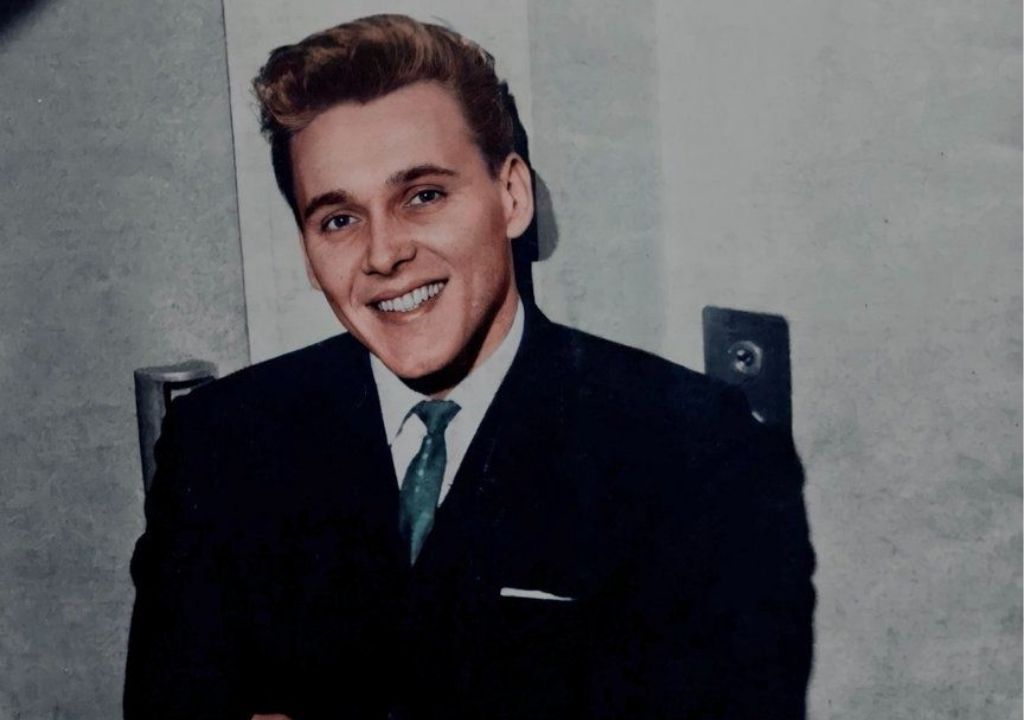
The year 1962 was a magical, transitional pivot point in the grand tapestry of British popular music. The air was thick with anticipation, and the youth culture was desperately searching for a sound and a movement to call their own. Before the overwhelming tide of Beatlemania reshaped the musical landscape forever, there was one definitive icon who captured the raw, vulnerable heart of British rock and roll: Billy Fury. Born Ronald Wycherley in Liverpool, Fury possessed a rare, intoxicating blend of smoldering James Dean-esque rebellion and a deeply tender, almost fragile emotional delivery. While he was celebrated as the ultimate ballad master with soaring masterpieces like “Halfway to Paradise,” Fury also possessed an undeniable, electric rhythm that could set any dance floor ablaze. This dynamic energy is perfectly encapsulated in his spirited 1962 track, “The Twist Kid.”
The song emerged during the height of the global Twist dance craze, a phenomenon that completely revolutionized how young people interacted with music. Written by the formidable pairing of legendary producer Norrie Paramor and Fury’s famous impresario manager Larry Parnes, the track was crafted specifically for the musical film Play It Cool. In the movie, Fury played a character named Billy Universe, a rising star navigating the frantic, exciting world of early 1960s pop stardom. Released as the spirited B-side to the film’s title track, “The Twist Kid” serves as a sonic time capsule of a joyous, unburdened era. It is a song that doesn’t just ask you to listen; it demands that you move, capturing the precise moment when traditional pop structures were being infused with the driving, unstoppable kinetic energy of adolescent rebellion.
Musically, the track is a masterclass in early sixties production. From the very first downbeat, the listener is enveloped in a wall of sound characterized by sharp, snapping percussion, a propulsive bassline, and bright, punchy brass arrangements that mirror the frantic steps of the Twist itself. Unlike the moody, shadow-drenched atmosphere of his rockabilly classic “Wondrous Place,” “The Twist Kid” is bathed in pure, radiant sunlight. Fury’s vocals are remarkably nimble here; he discards his usual melancholic croon in favor of a playful, rhythmic grit. You can almost hear the smile in his voice as he glides effortlessly over the syncopated beats, demonstrating a flawless commercial sensibility that perfectly complemented his natural charisma. It proves that despite his legendary status as a tragic romantic ballad singer, Fury was fundamentally a rocker at heart, entirely capable of steering the cultural zeitgeist.
Listening to this rare gem decades later evokes a profound sense of nostalgia for a lost world of jukeboxes, coffee bars, and smoke-filled dance halls. It reminds us of a time when music felt incredibly immediate, tactile, and communal. “The Twist Kid” might not have achieved the massive chart longevity of Fury’s grandest ballads, but its historical value as a vibrant artifact of the pre-Beatles British rock scene is absolutely immeasurable. It stands as a beautiful testament to Billy Fury’s immense versatility and enduring star power—a cinematic, rhythmic snapshot of a legendary artist effortlessly capturing the fleeting, beautiful lightning of youth.