Introduction
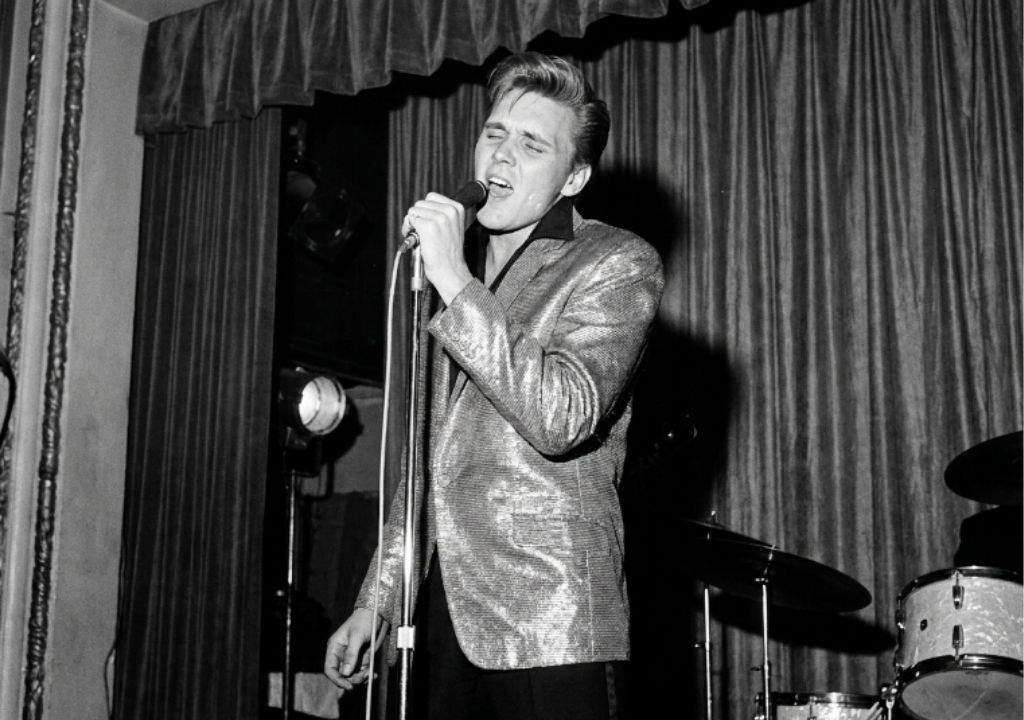
To truly understand the heart of mid-1960s British pop, one must look past the thunderous roar of the Beatlemania explosion and find the quiet, flickering candlelit spaces occupied by the era’s great balladeers. At the pinnacle of this emotional landscape stood Billy Fury. Born Ronald Wycherley in Liverpool, he was a man trapped between two worlds: the fierce, hip-swiveling rock and roll animal of the late 1950s and the deeply sensitive, fragile romantic who could break your heart with a single whispered syllable. By 1964, the musical tides were shifting rapidly, yet Fury maintained an extraordinary hold on the charts because he possessed something that could never go out of style—unadulterated, raw human vulnerability. When he recorded “I Will,” he wasn’t just covering a song; he was breathing a piece of his own gentle spirit into a melody that would echo across decades.
“I Will,” originally written by Dick Glasser, found its definitive emotional resonance in Fury’s hands. The production of the track is an exquisite example of mid-century pop craftsmanship. It doesn’t rely on the aggressive, guitar-driven walls of sound that characterized the Merseybeat boom; instead, it wraps itself in a soft, tapestry-like arrangement of weeping strings, a tenderly plucked acoustic guitar, and a warm, steady rhythm that feels like the slow, comforting heartbeat of an everlasting devotion. The backing vocals float in the background like guardian angels, providing a celestial cushion for Fury’s lead performance. It creates an atmosphere that is instantly nostalgic, evoking images of old jukeboxes in smoky cafes, handwritten letters kept in velvet boxes, and the bittersweet mist of an autumn evening.
What elevates this recording from a mere pop song to a timeless emotional artifact is the profound sincerity in Billy Fury’s vocal delivery. Because of his lifelong battle with rheumatic heart disease, there was an inherent, tragic fragility woven into the very fabric of his vocal cords. He sang with the implicit understanding that time was precious, and this gave his romantic ballads a staggering sense of urgency. In “I Will,” he does not belt out his promises; he confides them to you. His phrasing is masterful, lingering on words like a lover hesitant to say goodbye. When he delivers the central vow of the song, his voice carries a mixture of absolute certainty and tender pleading, a delicate balance that few singers have ever replicated. It is a performance devoid of pretense, relying entirely on the purity of his tone and the depth of his feelings.
Decades later, listening to “I Will” feels like stepping into a beautifully preserved cinematic memory. In a modern landscape where music is often overly digitized and polished to a mechanical shine, Billy Fury’s work reminds us of the power of analog warmth and honest emotion. This track stands as a testament to an era when a pop song could be a sanctuary for the lonely and a monument to faithful love. Billy Fury may have left us far too soon, but through the enduring, golden notes of “I Will,” his romantic soul continues to live on, offering comfort to anyone who still believes in the timeless magic of a promise kept.