INTRODUCTION
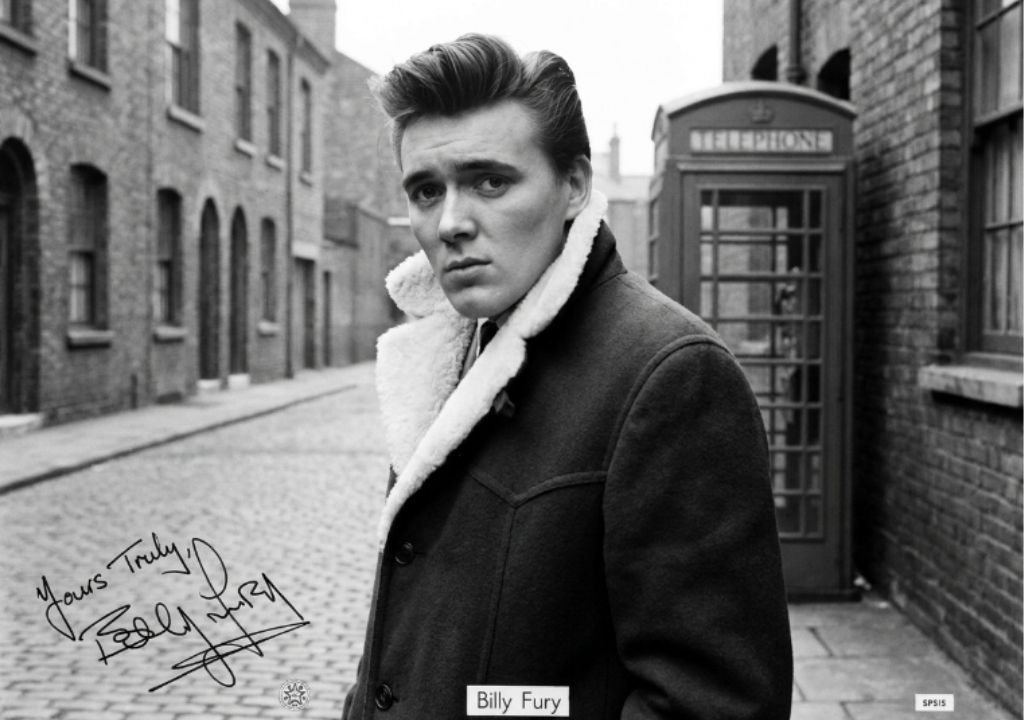
There is a specific kind of magic that belongs exclusively to the early 1960s—a distinct sonic texture captured on heavy vinyl and broadcasted through the warm glow of vacuum-tube radios. It was an era caught between the rebellious fire of early rock and roll and the lush, cinematic orchestration of traditional vocal pop. In the middle of this musical landscape stood Ronald Wycherley, known to the world as Billy Fury. With his striking, brooding looks reminiscent of Elvis Presley and James Dean, Fury was a bona fide teenage idol. Yet, underneath the pompadour and the stage bravado lay one of the most fragile, sensitive voices in British music history. This unique blend of masculine allure and deep emotional vulnerability is perhaps nowhere more beautifully showcased than in his 1963 track, “Go Ahead And Ask Her.”
Released originally as the B-side to his hit single “Somebody Else’s Girl,” “Go Ahead And Ask Her” is a masterpiece hidden in plain sight. It is a song that transports the listener directly into a noir-esque cinematic frame: a lonely street corner at midnight, the neon signs reflecting off rain-slicked cobblestones, and a man standing in the shadows watching the love of his life walk away with someone else. The songwriting, penned by David Palmer, captures the exquisite agony of romantic defeat. Instead of lashing out with anger or retreating into bitter silence, the narrator addresses his rival with a bittersweet, tragic grace. He tells the other man to step forward, to ask for her hand, because he already knows that his own time in her heart has reached its definitive end.
Musically, the track is a stunning example of the sophisticated Merseybeat-era production directed by Ivor Raymonde and produced by Mike Smith for Decca Records. The instrumentation unfolds like a slow-burning drama. It features a sweeping arrangement of melancholic strings that swell and recede like waves of regret, underpinned by a steady, deliberate rhythm section that mirrors a heavy heartbeat. But the true crown jewel of the recording is, without question, Billy Fury’s vocal performance. Affected deeply by childhood rheumatic fever, Fury lived with a fragile heart throughout his life—a physical reality that seemed to translate directly into the haunting, breathless quality of his singing. When he delivers the lines of “Go Ahead And Ask Her,” his voice trembles with an authenticity that cannot be manufactured. He doesn’t just sing the words; he bleeds them into the microphone. His smooth baritone glides into an aching falsetto, capturing the precise moment a heart fractures in real-time.
To truly appreciate this track is to understand the golden age of the British Invasion before the Beatles redefined everything. Billy Fury was a pioneer, a performer who could match the raw intensity of Gene Vincent on stage but could also deliver a ballad so intimate it felt like a confession whispered in the dark. Decades have passed since 1963, and the landscape of popular music has evolved beyond recognition, yet the timeless ache of “Go Ahead And Ask Her” remains completely undiminished. It stands as a testament to an era when pop music possessed a cinematic grandeur, and when a B-side track could carry enough emotional weight to last a lifetime. Listening to it today is like opening an old velvet box containing a forgotten photograph—a beautiful, melancholic relic of a time when love was grand, heartbreak was absolute, and Billy Fury was the undisputed king of lonely hearts.