INTRODUCTION
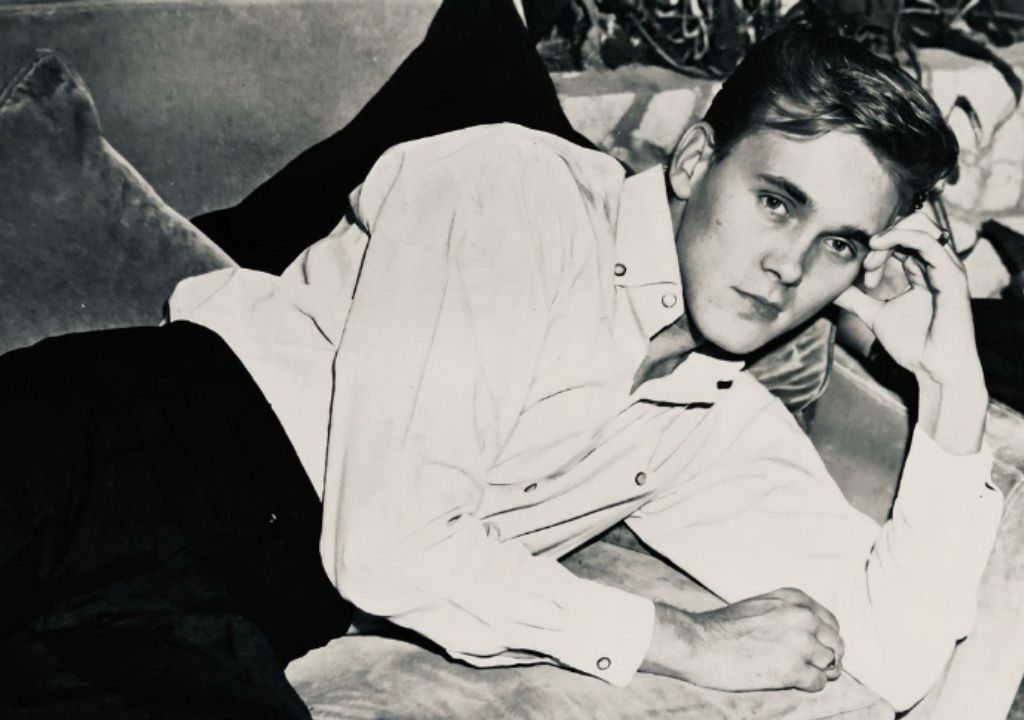
In the golden dawn of British rock and roll, few figures commanded the stage with as much raw vulnerability and smoldering charismatic presence as Ronald Wycherley, known to the world as Billy Fury. Stepping out from the docks of Liverpool long before the British Invasion transformed global music, Fury stood as a pioneering titan who dared to bring authentic emotional depth to the genre. Among his most poignant early works, “Baby How I Cried” stands out as a deeply moving testament to the painful beauty of young heartbreak, capturing a moment when rock and roll was learning to speak the quiet language of tears and longing.
Originally released during a transformative era for pop music in the early 1960s, “Baby How I Cried” showcases Fury’s incredible gift for turning personal sorrow into timeless art. Unlike many pop idols of his time who relied entirely on outside material, Fury was a gifted songwriter in his own right, often penning tracks under the pen name Wilbur Wilberforce. In this song, he strips away the swagger and flash of his stage persona to expose the raw, bleeding edge of lost love. The lyrics describe the devastating aftermath of a broken romance—the quiet darkness of an empty room, the overwhelming echo of goodbye, and the uncontrollable tears that accompany the sudden realization that a beloved companion is gone forever.
Musically, “Baby How I Cried” is a masterclass in atmospheric rockabilly balladry. Built upon a gently swaying rhythm, the arrangement relies on crisp acoustic guitar strumming, a steady yet subtle slap-bass line, and soft, brush-driven percussion. There is a delicate spaciousness to the recording that allows the warmth of the vintage tube amplifiers and natural studio echo to breathe. Every instrument serves the story, creating a twilight mood that feels both intimate and cinematic. The clean electric guitar fills weave through the melody like haunting echoes of regret, providing the perfect harmonic backdrop for Fury’s soaring vocals.
It is Billy Fury’s vocal performance, however, that truly elevates the track into the realm of timeless classics. Possessing a voice that seamlessly blended the effortless cool of Elvis Presley with a distinctly British sense of tragic romanticism, Fury sings with an aching sincerity that is impossible to fake. His voice trembles with genuine emotion during the verses, rising to impassioned heights in the chorus as he confesses his sorrow. You can hear the catch in his throat and the trembling vulnerability in every phrase, making the listener feel as though they are eavesdropping on a private moment of grief.
Listening to “Baby How I Cried” today is like stepping back into a world of glowing jukeboxes, vinyl records, and midnight strolls under flickering streetlights. It serves as an enduring reminder of an era when music was unvarnished, heartfelt, and deeply human. Decades after its creation, Billy Fury’s classic ballad continues to touch the souls of those who have known the heavy sting of love lost, proving that true passion never fades from memory.