INTRODUCTION
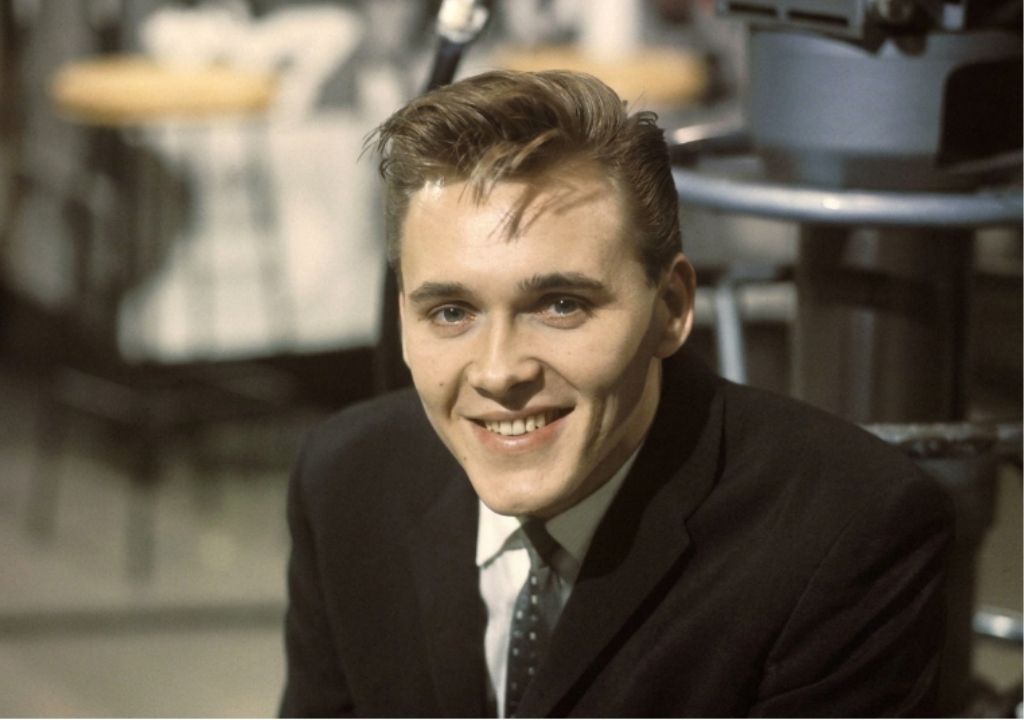
In July 1962, British cinema auditoriums echoed with the electric screams of teenagers watching a rising rock powerhouse grace the silver screen. On surface level, the musical feature film appeared to be an unvarnished commercial triumph designed to rival the box-office dominance of contemporary youth culture exports. Yet behind the bright studio spotlights at Pinewood and the manufactured charm of the storyline lay a deeply reluctant lead actor. British rock ‘n’ roll pioneer Billy Fury found himself trapped in a stark contractual dilemma engineered by his legendary manager, Larry Parnes. Constrained by rigid industry mechanics of the era, the charismatic Liverpool singer loathed the film’s sanitized script, viewing its formulaic narrative as an insult to his genuine blues-infused sensibilities. How did an artist renowned for raw, uninhibited stage intensity navigate a corporate mandate that threatened to dilute his creative identity?
THE DETAILED STORY
During the early 1960s, the machinery of British pop management operated under a relentless blueprint: convert chart-topping musical success directly into lucrative film vehicles. For impresario Larry Parnes, casting his prized star in a feature film was the ultimate commercial strategy. However, when presented with the screenplay for Play It Cool, directed by a young Michael Winner, Billy Fury expressed immediate disdain. The script framed his character, Billy Universe, in overly wholesome, homogenized scenarios that mirrored the safe cinematic formula popularized by Cliff Richard rather than the brooding, sultry rock persona Fury had cultivated.
Despite his intense personal reluctance, Fury was compelled by executive management decisions to honor the project on set. Parnes recognized that defying film studio contracts risked severe financial penalties and potential radio blacklisting. Understanding the stakes, Fury adopted a remarkably disciplined professional approach. Rather than sabotaging the production, he channeled his frustration into perfecting the musical performances embedded within the film’s narrative.
When cameras rolled, Fury transformed what could have been a bland teen exploitation movie into a masterclass in vocal delivery. Tracks like “Last Night Was Made for Love” and “Once Upon a Dream” soared beyond the confines of the script, capturing a genuine emotional resonance that resonated with millions of record buyers. Released in the United Kingdom in July 1962, the soundtrack EP swiftly climbed the charts, securing its status as an enduring classic of early British rock discography.
By maintaining unyielding artistic standards during recording sessions, Fury successfully subverted a formulaic screenplay into a triumph of musical integrity. His refusal to let a weak script define his artistic output demonstrated that genuine talent can transcend corporate constraints. Ultimately, the legacy of Play It Cool belongs not to its contrived movie dialogue, but to the undeniable vocal genius of a performer who refused to lose his soul to the silver screen machine.