INTRODUCTION
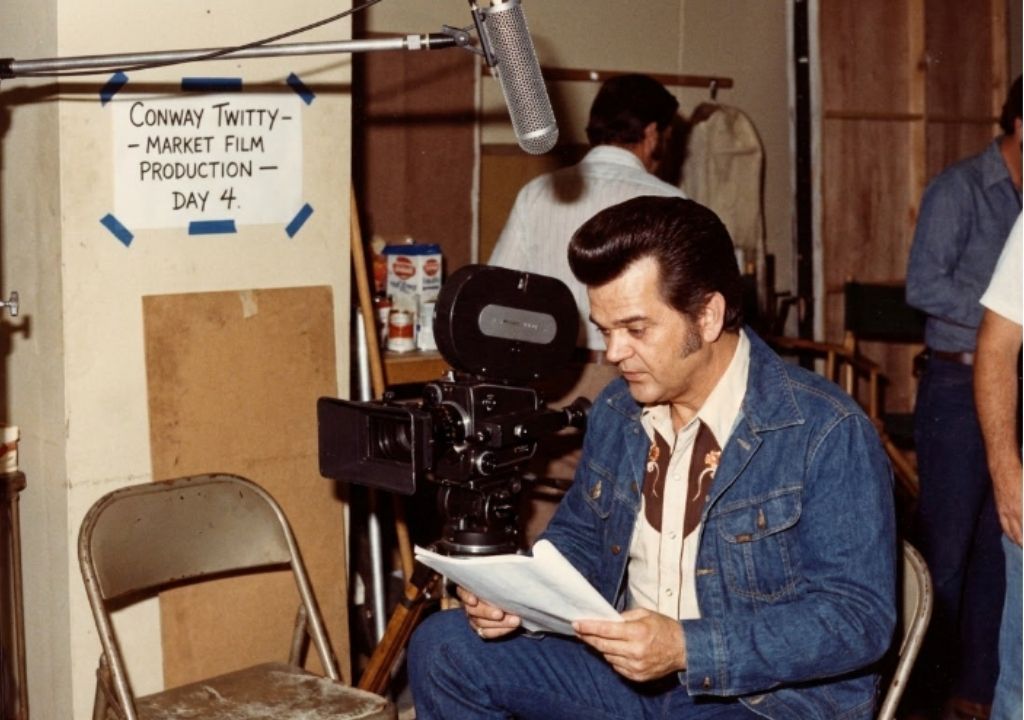
On a brightly lit MGM studio lot in late 1959, young rock ‘n’ roll sensation Harold Lloyd Jenkins stepped before cinematic cameras under his famous moniker, Conway Twitty. Clad in youthful attire alongside stars Mamie Van Doren and Mickey Rooney, the performer was embarking on a strategic foray into Hollywood’s lucrative exploitation cinema, featuring in titles like Platinum High School and Sex Kittens Go to College. Industry observers viewed these low-budget B-movies as mere commercial novelties, yet for Twitty, they represented an essential financial engine during a volatile transitional era in American popular music. With his pop chart momentum fluctuating and the country music revolution still years away, this cinematic detour provided crucial visibility and steady income. How did a determined young musician turn low-budget Hollywood screen exposure into the springboard for an immortal recording career?
THE DETAILED STORY
During the late 1950s, the American entertainment ecosystem experienced rapid structural shifts as rockabilly music saturated radio airwaves. Following his breakthrough chart-topper “It’s Only Make Believe” in 1958, Conway Twitty faced the harsh realities of mid-century artist management: record sales alone rarely guaranteed long-term financial solvency. To maintain momentum, Twitty collaborated with veteran producer Albert Zugsmith and signed screen deals with MGM, stepping directly into the burgeoning youth-culture cinema market. Between 1959 and 1960, he completed three feature films: Platinum High School, College Confidential, and Sex Kittens Go to College.
Rather than treating these acting assignments as mere celebrity cameos, Twitty approached Hollywood with characteristic professionalism and commercial focus. He expanded his creative portfolio by composing original soundtrack material, writing title themes, and performing on camera. His songs for these motion pictures gained substantial regional airplay, allowing him to maintain active presence across national trade publications like Billboard. Beyond direct acting compensation, this screen exposure elevated his cultural profile so significantly that Broadway writers inspired by his rock persona named the lead character in the 1960 smash musical Bye Bye Birdie—Conrad Birdie—after him.
This pragmatic Hollywood tenure served a vital strategic function in Twitty’s career architecture. By leveraging film contracts during a period when teen-pop trends were shifting rapidly, he preserved financial independence and avoided predatory management traps. The capital and industry savvy acquired on West Coast studio soundstages ultimately provided the bedrock for his historic 1965 return to Nashville, where he successfully rebranded as a country music powerhouse.
Ultimately, Twitty’s brief cinematic chapter demonstrates remarkable visionary foresight. Rather than succumbing to the ephemeral nature of pop stardom, he pioneered early cross-media screen branding to safeguard his artistic destiny. By turning drive-in cinema roles into a durable financial bridge, he engineered one of the most resilient masterclasses in modern entertainment history.