Introduction
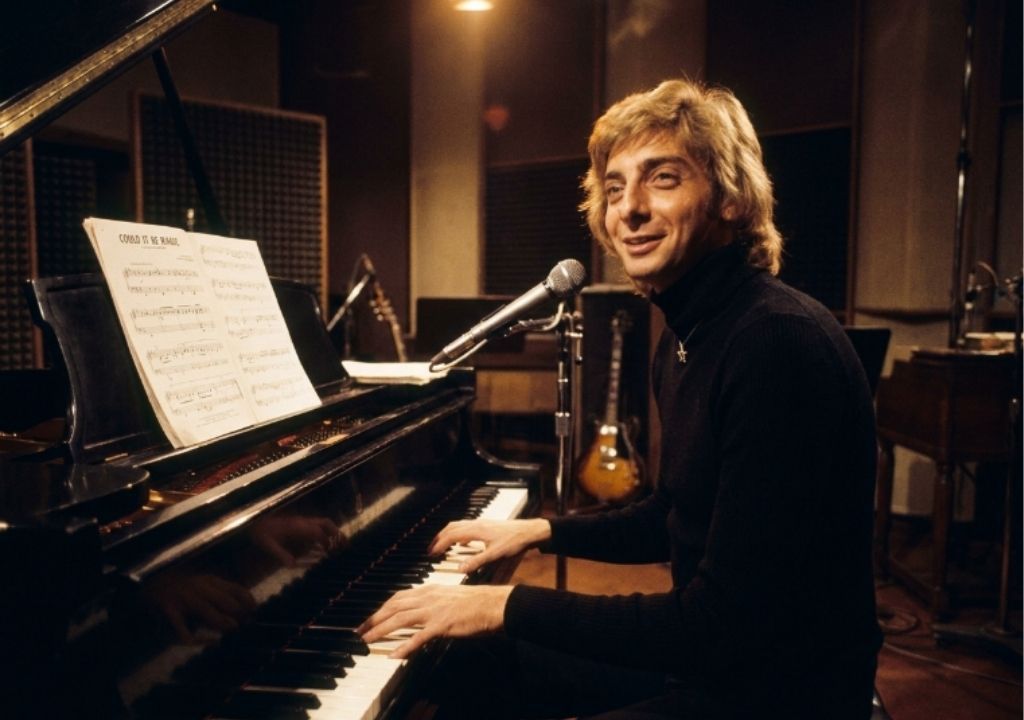
The moment those iconic piano chords begin, the air in the room seems to shift. It is the sound of a late-night candle burning low, the silhouette of a city skyline, and the profound, aching vulnerability of a heart finally opening up. “Could It Be Magic,” released by Barry Manilow in 1973 and later reimagined for his breakout 1975 album, stands as a masterclass in emotional storytelling. It is not merely a song; it is a cinematic experience wrapped in the velvet embrace of a grand piano.
What makes this composition so enduringly powerful is its foundation. Manilow famously drew inspiration from Frédéric Chopin’s Prelude in C Minor, Op. 28, No. 20. By weaving this classical elegance into the tapestry of 1970s pop, he created a sound that felt both familiar and revolutionary. It wasn’t just another radio hit; it was a dramatic monologue set to music. The song begins with such intimacy that one feels as though they are sitting right next to Manilow on the piano bench, listening to the secrets he has kept hidden away until that very moment.
As the song progresses, the arrangement swells, mimicking the internal turbulence of falling in love. The lyrics—desperate, hopeful, and searching—capture the precise feeling of surrendering to an emotion that feels far larger than oneself. There is a sense of wonder, a “magic” that defies logic, making the listener question if what they are experiencing is real or merely a beautiful dream. Manilow’s delivery is exquisite; he knows exactly when to whisper and when to let the passion bloom into a soaring vocal performance. It is this balance of restraint and release that defines his artistry.
For those of us who grew up with the radio always humming in the background, this song represents a specific time of innocence and dramatic romance. It evokes the feeling of late-night drives, the scent of old paper and perfume, and the quiet contemplation of our own lives. Manilow wasn’t just singing; he was performing an autobiography of the heart. The production, polished and lush, is quintessentially seventies, yet the raw humanity at its core is timeless. Whether it is the syncopated rhythm of the verses or the lushness of the chorus, every element serves the song’s central question: is this love real? Decades later, the magic remains unbroken, a testament to a songwriter who understood that music is the most efficient bridge between two souls.