Introduction
Music has a peculiar way of acting as a time machine, anchoring us to specific moments, glances, and eras that we thought were long gone. When Frankie Valli first released “Can’t Take My Eyes Off Of You” in 1967, it immediately became the definitive anthem for infatuation—that dizzying, overwhelming feeling of looking at someone and realizing the rest of the world has completely blurred out. It was a brassy, bold production that defined the late sixties pop landscape. Yet, when Barry Manilow took hold of this classic for his 2006 tribute album, The Greatest Songs of the Sixties, he didn’t just cover it; he wrapped it in his own signature velvet, transforming a frantic mid-century declaration into a deeply cinematic, nostalgic retrospective.
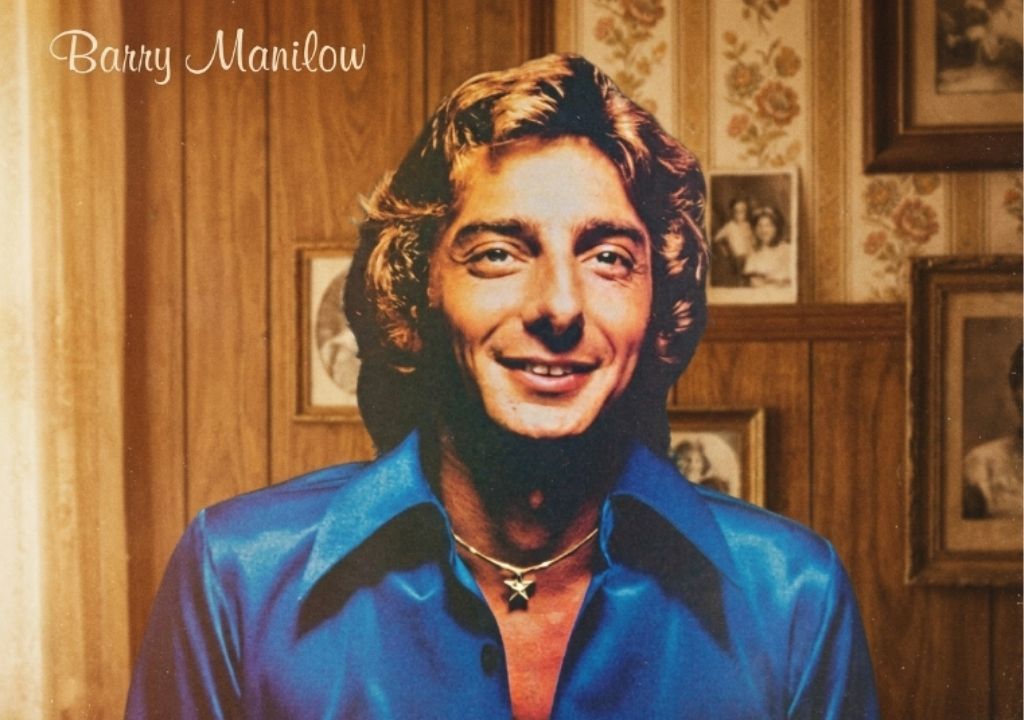
Barry Manilow has always been a master of the emotional crescendo. Throughout the 1970s and 1980s, his voice served as the soundtrack to millions of heartbreaks and slow dances, characterized by grand orchestrations, sweeping key changes, and an unashamedly theatrical vulnerability. He understands that a great love song isn’t just about the lyrics; it is about creating an atmosphere where the listener feels safe enough to remember their own past. In his rendition of “Can’t Take My Eyes Off Of You,” Manilow dials back the initial aggressive punch of the original horns, opting instead for a smoother, more intimate introduction that feels like a confidential late-night confession under dim streetlights.
When his vocals enter, there is a tangible warmth, a seasoned tenderness that only a legendary crooner can provide. He sings not with the urgent desperation of a young man experiencing love for the first time, but with the profound appreciation of someone who understands how rare and precious true connection really is. The transition from the gentle, conversational verses to the explosive, brass-infused chorus is handled with the precision of a master dramatist. When the iconic horn riff hits, it doesn’t just shock the system; it lifts the spirit, inviting the listener into a grand celebration of devotion. The instrumentation swells around his vocals, featuring lush strings and sweeping percussion that elevate the arrangement into a glittering showroom spectacle, reminiscent of the golden age of live entertainment.
This track highlights exactly why Barry Manilow remains an enduring icon of traditional pop and adult contemporary music. He possesses the rare gift of showmanship wrapped in absolute sincerity. In an era where modern music often relies on digital perfection and detached irony, Manilow’s approach is a comforting reminder of the power of raw, unadulterated romance. Listening to this track is like opening an old velvet photo album or finding a handwritten love letter tucked away in an attic. It evokes a specific, cozy kind of nostalgia—a longing for a time when music was grand, melodies were sweeping, and love was something you shouted from the rooftops. It is an exquisite marriage of a timeless composition and an artist who spent his entire life mastering the art of the love song.