Introduction
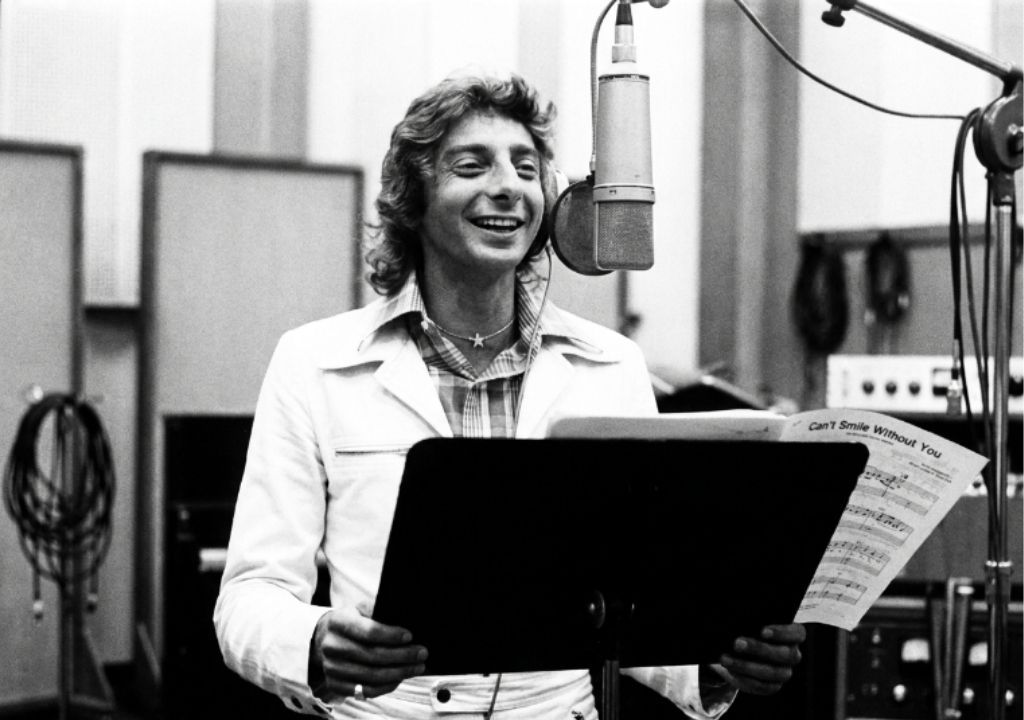
There is a rare, irreplaceable comfort found in the transistor radio soundtrack of the late 1970s. It was an era where pop music possessed a distinct warmth—a gentle, analog embrace that could make the most solitary room feel instantly safe and lived-in. In the early months of 1978, Barry Manilow released a track that would become the ultimate anthem for this specific kind of melodic solace. “Can’t Smile Without You” did not just climb the charts; it wove itself into the very fabric of daily life, transforming from a simple pop song into a collective sigh of romantic devotion that still echoes across the decades.
Though the song had been previously recorded by several artists, including the Carpenters and David Soul, it was Barry Manilow who unlocked its definitive, joyful spirit. The magic begins the exact moment the record starts spinning. Before a single instrument drops, we are greeted by that famous, lighthearted whistling intro. It is a brilliant piece of musical staging. It immediately evokes the image of someone walking down a sunlit sidewalk, entirely consumed by thoughts of the person they love. This casual, breezy opening disarms the listener completely, setting a stage of pure, unpretentious innocence before unfolding into one of the most infectious melodies of the twentieth century.
When Manilow’s vocals enter, they carry a wonderful, self-deprecating charm. He isn’t portraying a tragic, brooding hero; instead, he sings as an ordinary man simply admitting how deeply dependent his happiness is on another soul. The lyrics are beautifully straightforward, capturing the universal truth that when the right person is gone, even the most mundane daily routines lose their color. Yet, despite the underlying theme of longing, the music itself refuses to wallow. The rhythmic, clapping backbeat and the bouncing piano lines infuse the track with an undeniable optimism. It is a song that acknowledges sadness while simultaneously handing you a blanket of pure sunshine.
As a master arranger, Manilow knew exactly how to elevate simple sentiments into grand, cinematic experiences. As the track progresses, the orchestration grows with his signature theatrical flair. The subtle addition of lush strings, the bright swell of the horns, and the soaring key change in the latter half create an emotional lift that is impossible to resist. It turns a vulnerable confession into a triumphant celebration of love. Decades later, “Can’t Smile Without You” remains an enduring masterpiece of easy listening. It serves as a beautiful time capsule of an era when music wasn’t afraid to be unapologetically sweet, reminding us of the simple, timeless joy of finding the person who holds the key to your smile.