INTRODUCTION
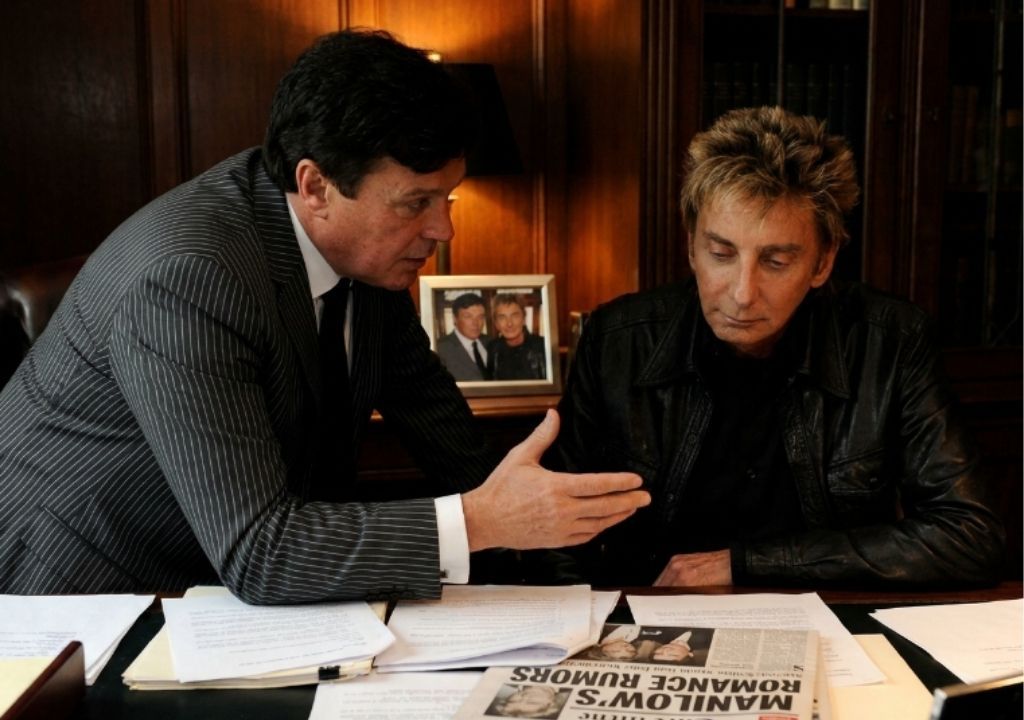
In the high-stakes arena of mid-twentieth-century entertainment, the line between public image and private truth required masterful curation. Rumors suggesting that veteran manager Garry Kief engineered “fake love scandals” to obscure Barry Manilow’s sexuality distort a far more dignified reality. For over 35 years, Manilow and Kief maintained a quiet, authentic partnership that began in 1978, entirely independent of manipulative publicity stunts. The decision to keep their relationship out of the relentless Hollywood spotlight was rooted in a genuine protective instinct regarding Manilow’s massive, primarily female fanbase during an unforgiving cultural era. When the couple finally acknowledged their 2014 marriage publicly on 04/05/2017, the disclosure was met with overwhelming warmth rather than shock. This elegant revelation effectively dismantled decades of tabloid speculation, demonstrating that their enduring alliance was built on absolute devotion and strategic brilliance rather than deceptive media manipulation.
THE DETAILED STORY
The history of American pop music contains numerous examples of highly manufactured public relations campaigns, but the narrative surrounding Barry Manilow and Garry Kief stands as a testament to absolute authenticity. Kief, who took over as Manilow’s professional manager in 1978, quickly became the primary architect of the singer’s historic commercial expansion. While tabloids during the 1980s and 1990s occasionally weaponized speculative reports regarding Manilow’s personal life, archival records from Variety and Billboard confirm there is no evidence that Kief ever orchestrated fake romantic scandals or deceptive publicity relationships to mislead the public. Instead, the management strategy was characterized by an uncompromising commitment to privacy and an exclusive focus on Manilow’s musical catalog.
During the height of his career, when hits like “Mandy” and “Copacabana” dominated airwaves, the societal climate towards LGBTQ+ artists was notoriously hostile. Manilow later admitted in a definitive 2017 interview with People magazine that he fiercely guarded his personal life out of a profound concern that coming out would alienate his core audience. Rather than constructing a labyrinth of elaborate, fabricated heteronormative affairs—a practice common in early Hollywood studio systems—Kief and Manilow opted for a dignified silence. They lived their lives privately, quietly building a multi-million-dollar entertainment empire while maintaining a stable home life in California, where they also co-parented Kief’s daughter.
When news of their private 2014 wedding at their Palm Springs estate finally leaked to the press, forcing an official announcement at 9:00 AM PT on 04/05/2017, the industry’s reaction vindicated their decades of caution. The public response shattered old industry fears: ticket sales for his Las Vegas residencies, which frequently command over $300 USD per seat, experienced immediate surges. Ultimately, the partnership between Manilow and Kief demonstrates that long-term success does not require the deployment of deceptive public relations apparatuses. Their legacy remains defined by a meticulous separation of commercial performance from personal truth, proving that exceptional artistry can endure purely on its own merits.