INTRODUCTION
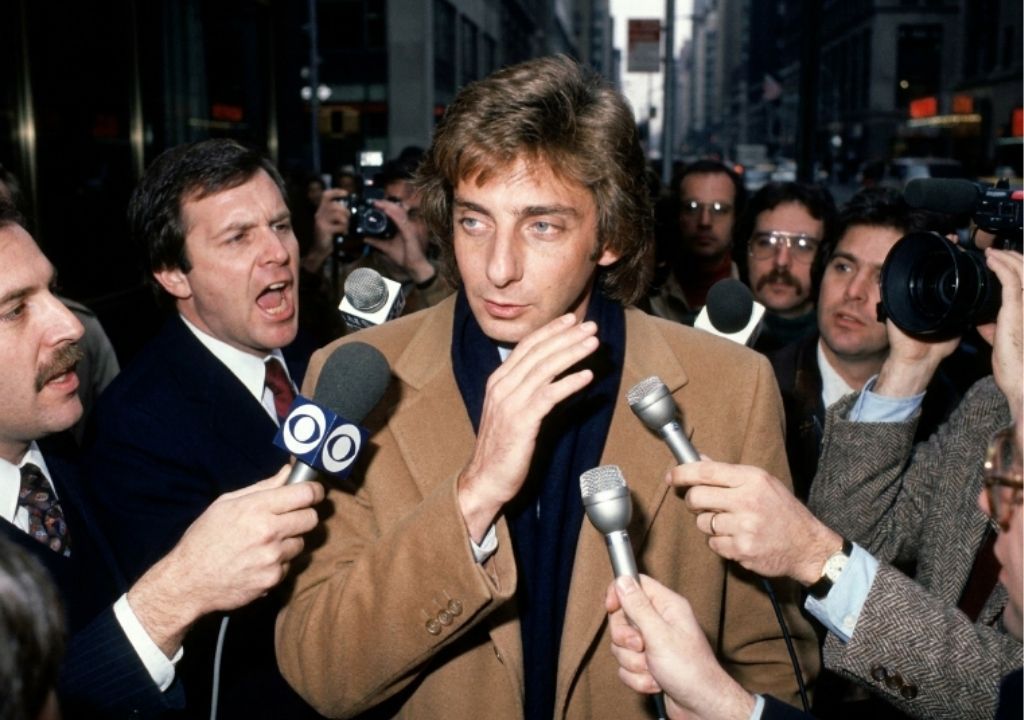
At the absolute zenith of his mid-1970s and 1980s commercial supremacy, Barry Manilow stood as the quintessential romantic balladeer of American pop culture. His chart-topping anthems of unrequited love and deep emotional longing fostered an intensely devoted, overwhelmingly female global fanbase. This specific demographic reality made the singer a constant target for entertainment journalists, who relentlessly interrogated him regarding his perpetual bachelor status and impending marriage plans. Navigating a deeply conservative media landscape that was structurally hostile to openly gay performers, Manilow could not afford a single misstep. Rather than succumbing to the intense pressure of these highly invasive inquiries, the pop icon developed a sophisticated, highly disciplined repertoire of media-training tactics. By weaponizing charm and strategic misdirection, he successfully defused the industry’s most calculated journalistic traps while preserving the multi-million-dollar romantic fantasy his career required.
THE DETAILED STORY
The primary pillar of Manilow’s media evasion strategy was the cultivation of the “married to the music” narrative. Whenever prominent talk show hosts or magazine columnists directly pressed him on why a handsome, wealthy superstar had not yet settled down, Manilow would immediately pivot the conversation to his exhausting professional schedule. He consistently argued that his consuming passion for musical arrangement, coupled with an unforgiving global touring itinerary, left him entirely incapable of being a proper, attentive husband. To add historical validity to this claim, he would occasionally reference his brief, early-life marriage to his high school sweetheart Susan Deixler in 1964, which was annulled in 1966. Manilow framed the dissolution of that relationship not around questions of identity, but strictly around his inability to balance domesticity with his nocturnal lifestyle as a rising musician, convincing reporters that his bachelorhood was a professional necessity.
Furthermore, Manilow utilized a highly disciplined technique of psychological deflection by leaning directly into the persona of the “lonely romantic.” Instead of avoiding the subject of romance, he embraced it, speaking wistfully about his ongoing search for an independent woman who could tolerate his demanding Hollywood lifestyle. This brilliant maneuver transformed a potentially dangerous interrogation into an extension of his stage show. By positioning himself as an accessible, solitary figure searching for love, he satisfied the curiosity of the press while deepening the emotional investment of his fans, who viewed him as an attainable fantasy.
Behind the scenes, his corporate machinery at Stiletto Entertainment enforced strict conditions on all media access. Pre-interview agreements regularly established that questions regarding his private life or living arrangements were strictly off-limits. If a reporter crossed those boundaries on live television, Manilow remained entirely unruffled, stating that talking about his private life was uninteresting compared to the mechanics of orchestration. Through this flawless synergy of public charm, legal insulation, and calculated misdirection, Manilow maintained complete control of his narrative, ensuring his multi-million-dollar empire remained secure until he chose to speak on his own terms decades later.