INTRODUCTION
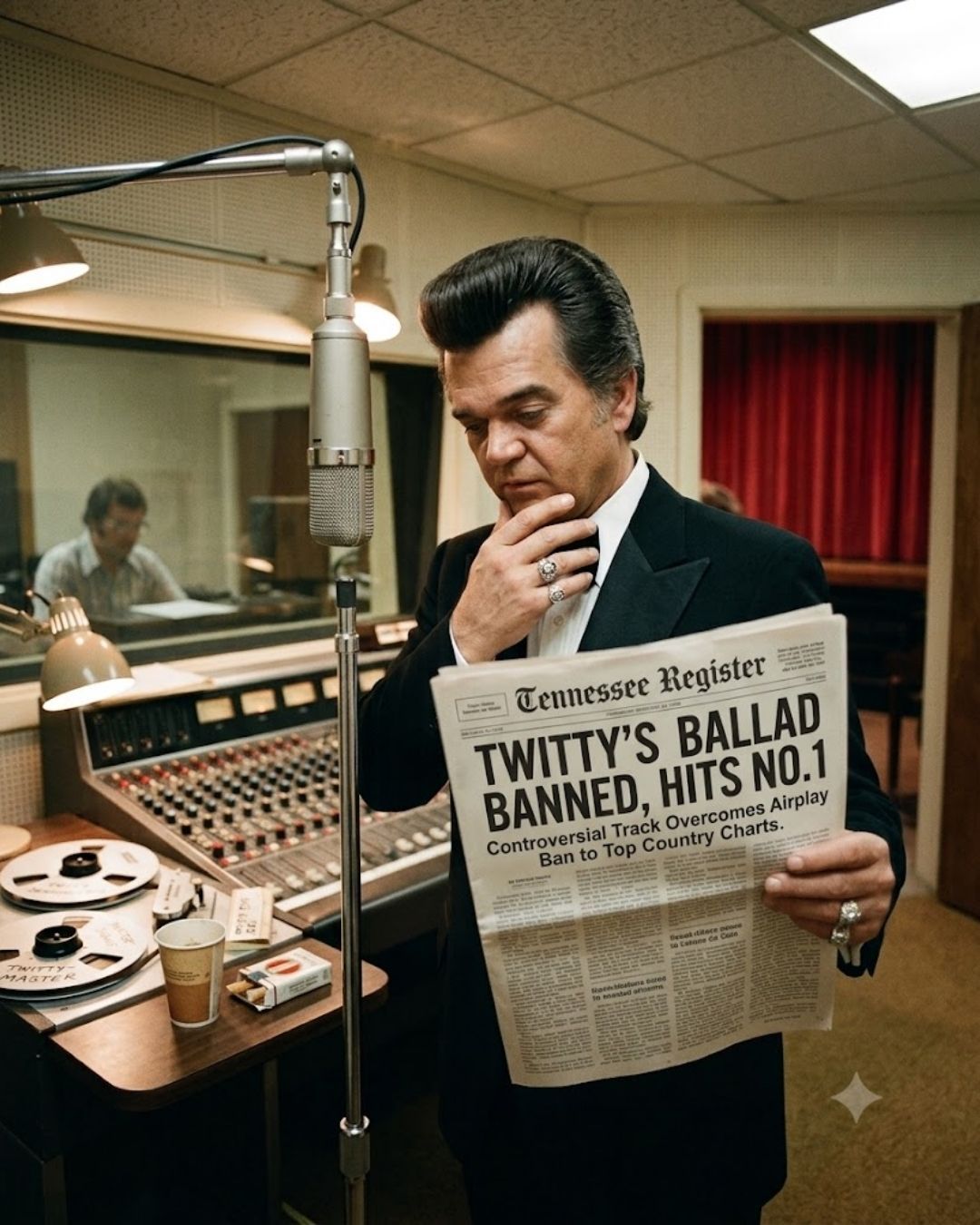
In July 1973, when MCA Records pressed the opening groove of Conway Twitty’s latest single, a hushed cadence filled control rooms across Nashville. Stripped of conventional honky-tonk bravado, the recording introduced an unprecedented intimacy: whispered vocals, lingering pauses, and the quiet tremors of raw emotional confession. Programmers at several prominent country stations immediately recoiled, declaring the performance far too provocative for conservative family airwaves and pulling the vinyl from rotation. Yet beneath the moral panic lay an exquisitely crafted composition that dared to explore tenderness and consent with literary nuance. As gatekeepers hurried to silence the record, listeners inundated switchboards with fervent requests, creating a cultural standoff that would permanently recalibrate the genre. What drove an established titan of tradition to risk his unblemished reputation on a track so uncompromisingly intimate?
THE DETAILED STORY
By 1973, Conway Twitty was already an unassailable pillar of country music, possessing a disciplined baritone that had generated dozens of standard-bearing hits. Yet inside Bradley’s Barn in Mount Juliet, Tennessee, Twitty chose to dismantle the polite conventions of the Nashville establishment. Penning the song entirely on his own, he composed “You’ve Never Been This Far Before” not as an exercise in provocation, but as a tender, psychological portrait of two lovers crossing an emotional threshold. Accompanied by producer Owen Bradley, Twitty layered subtle acoustic instrumentation beneath rhythmic sighs and a low, resonant vocal delivery that felt confessional rather than theatrical.
The reaction from institutional gatekeepers was swift and punitive. Several regional program directors branded the track obscene, arguing that its explicit depiction of physical anticipation violated the pastoral sanctity of country radio. Editorial columns debated whether the recording crossed the boundary from romance into vulgarity, and multiple stations across the Bible Belt summarily banned the single from their playlists.
However, the censorship miscalculated the sophistication of Twitty’s audience. Female listeners, in particular, recognized that the lyrics honored hesitation, consent, and mutual reverence rather than predatory bravado. Fans flooded radio stations with demands to hear the track, overwhelming switchboards and forcing banned markets to reverse their decisions. In September 1973, the single climbed to number one on the Billboard Hot Country Singles chart, reigning at the summit for three consecutive weeks. It also crossed over into the mainstream pop arena, ascending to number 22 on the Billboard Hot 100.
The triumph of “You’ve Never Been This Far Before” fundamentally transformed country music’s thematic boundaries. Twitty proved that the genre could articulate adult sexuality with poetic gravity, proving that commercial radio’s puritanical gatekeeping could not suppress genuine human connection. Rather than tarnishing his career, the controversy cemented his standing as an uncompromising auteur who trusted his listeners’ capacity for emotional truth.