INTRODUCTION
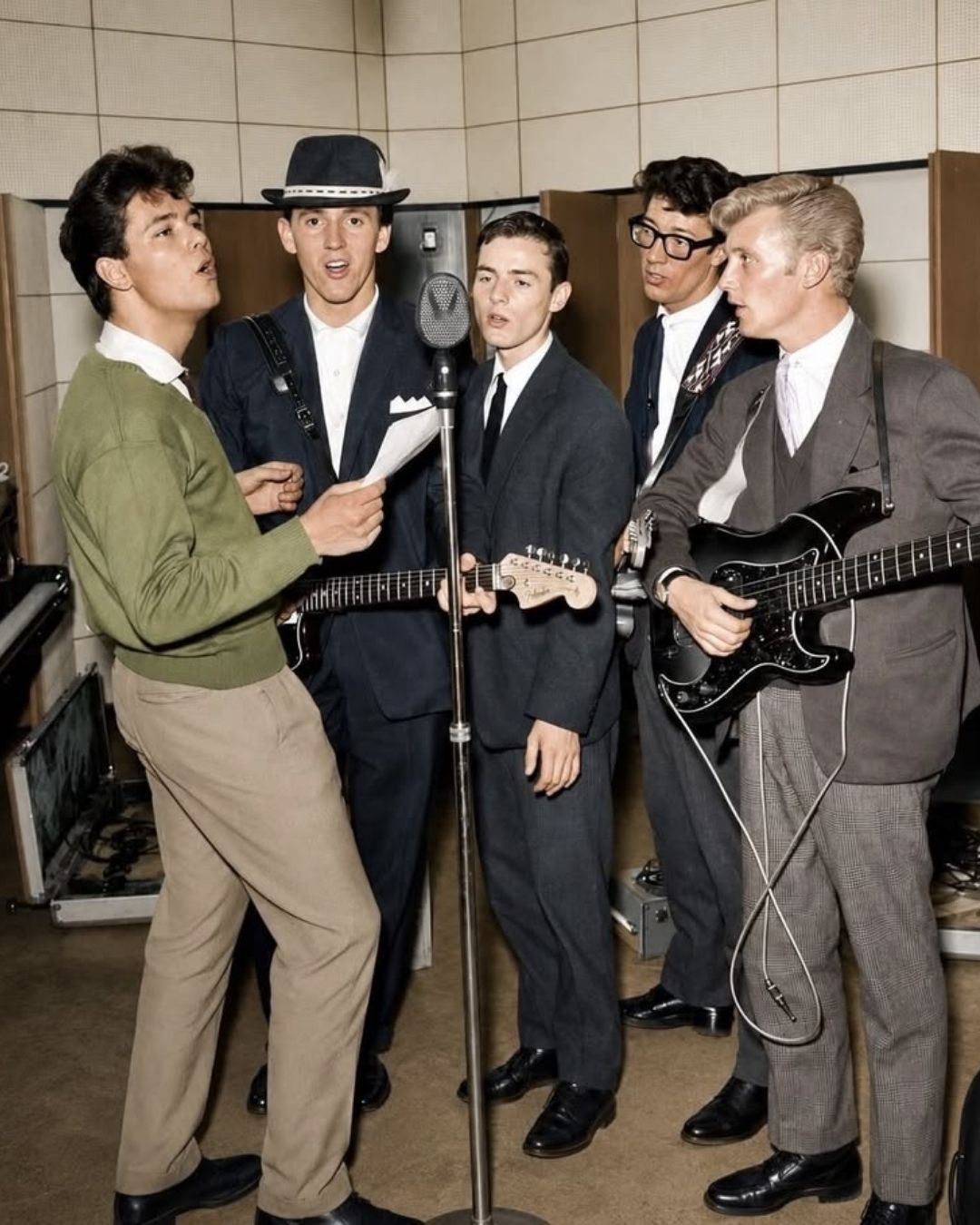
In late 1959, inside London’s Abbey Road Studios, twenty-year-old Cliff Richard stepped in front of the microphone to record a track written for the satirical film Expresso Bongo. Paired with the understated instrumental backing of The Shadows and orchestral scoring by producer Norrie Paramor, the session yielded “A Voice in the Wilderness.” At a moment when critics routinely dismissed British rock and roll as a disposable American imitation, this haunting, slow-tempo ballad shattered industry expectations. It revealed an artist willing to strip away teenage bravado in favor of atmospheric restraint and vocal precision. How did a single movie soundtrack recording permanently redefine the trajectory of British pop music before the arrival of the sixties?
THE DETAILED STORY
When “A Voice in the Wilderness” was officially issued in January 1960 as an EMI Columbia single, Cliff Richard was already recognized as Britain’s premier rock-and-roll sensation. Yet, conventional industry wisdom doubted his long-term artistic durability. Skeptics viewed early triumphs like “Move It” as exhilarating echoes of transatlantic rockabilly, predicting Richard’s appeal would quickly fade as teenage trends evolved. “A Voice in the Wilderness,” penned by producer Norrie Paramor and lyricist Bunny Lewis for the satirical film Expresso Bongo, shattered that consensus by introducing a sophisticated sonic architecture that bridged raw youth culture and refined adult contemporary performance.
The artistic brilliance of the track lies in its deliberate restraint and spatial clarity. Rather than relying on aggressive backbeats, the arrangement allows Hank Marvin’s delicate, tremolo-tinged guitar lines to breathe alongside Paramor’s understated orchestral strings. Over this moody canvas, Richard delivers a masterclass in vocal control. His performance is defined by subtle dynamic modulation, warmth, and an unforced, melancholy phrasing that replaced youthful posturing with genuine emotional depth.
The commercial reception confirmed the viability of this creative pivot. The record surged up the UK Singles Chart, securing the No. 2 position in February 1960 and establishing an enduring presence across European radio. More significantly, the release redefined the creative boundaries for British recording artists. It proved that a modern lead singer backed by a dedicated rhythm group could master high-concept, cinematic material without alienating their core youth audience.
By demonstrating that teenage idols could evolve into versatile, commanding vocalists capable of tackling complex compositions, Cliff Richard and The Shadows transformed industry standards. “A Voice in the Wilderness” was not merely another hit single; it stood as the definitive catalyst that elevated British pop into an era of musical maturity and timeless craftsmanship.