Introduction
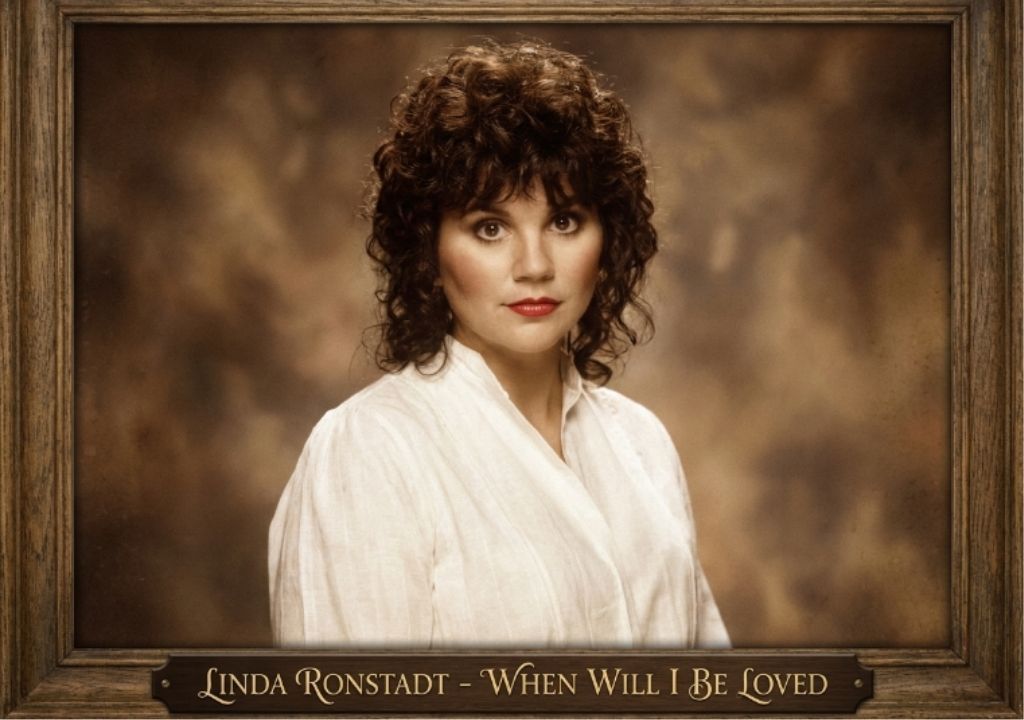
Linda Ronstadt’s rendition of “When Will I Be Loved” is not just a song; it is a sonic snapshot of 1974, a moment where the lines between country and rock blurred into something undeniably timeless. Originally penned by Phil Everly of the Everly Brothers, the track found its definitive, heartbreak-tinged identity when Linda took hold of it. When she stepped into the studio for the Heart Like a Wheel album, she brought with her a vulnerability that felt both raw and polished, an intersection of grit and grace that would define the next decade of American pop.
Listen closely to the opening chords. There is a lean, driving energy—a quintessential country-rock pulse that demands your attention. Yet, it is Linda’s voice that anchors the experience. It wasn’t merely singing; it was storytelling. She possessed a rare ability to inhabit the lyrics, transforming the frustration of repeated romantic letdowns into an anthem of resilient longing. You can almost feel the dusty highways of the American Southwest in her delivery, a sound that carried the spirit of the Laurel Canyon scene but kept its boots firmly planted in traditional country roots.
The genius of the track lies in its deceptive simplicity. It is an uptempo song about being down, a masterful contrast that makes the listener want to dance while simultaneously weeping over lost chances. It captured the specific, aching ache of the mid-seventies—a period of social transition, of self-discovery, and of looking for permanence in a world that felt increasingly ephemeral. Linda, with her signature dark hair and elegant yet approachable presence, became the voice for every woman who had ever looked for love in the wrong places and walked away, not defeated, but wiser.
Even today, decades later, the song feels startlingly fresh. It avoids the over-production that would plague the later eighties, relying instead on clean, stinging guitar lines and that crystalline vocal performance that only Linda could deliver. When she belts out the chorus, there is a defiance in her tone—a refusal to remain a victim of circumstance. It is this specific emotional cocktail—vulnerability mixed with iron-willed self-respect—that keeps “When Will I Be Loved” vibrating through the collective consciousness of music fans. Whether you are hearing it on a vinyl player in a dimly lit room or through digital airwaves, the sensation remains the same: a sudden, sharp pang of recognition. She reminds us that the quest for connection is universal, and sometimes, the most honest thing you can do is admit that you are still waiting for your heart to find its match.