INTRODUCTION
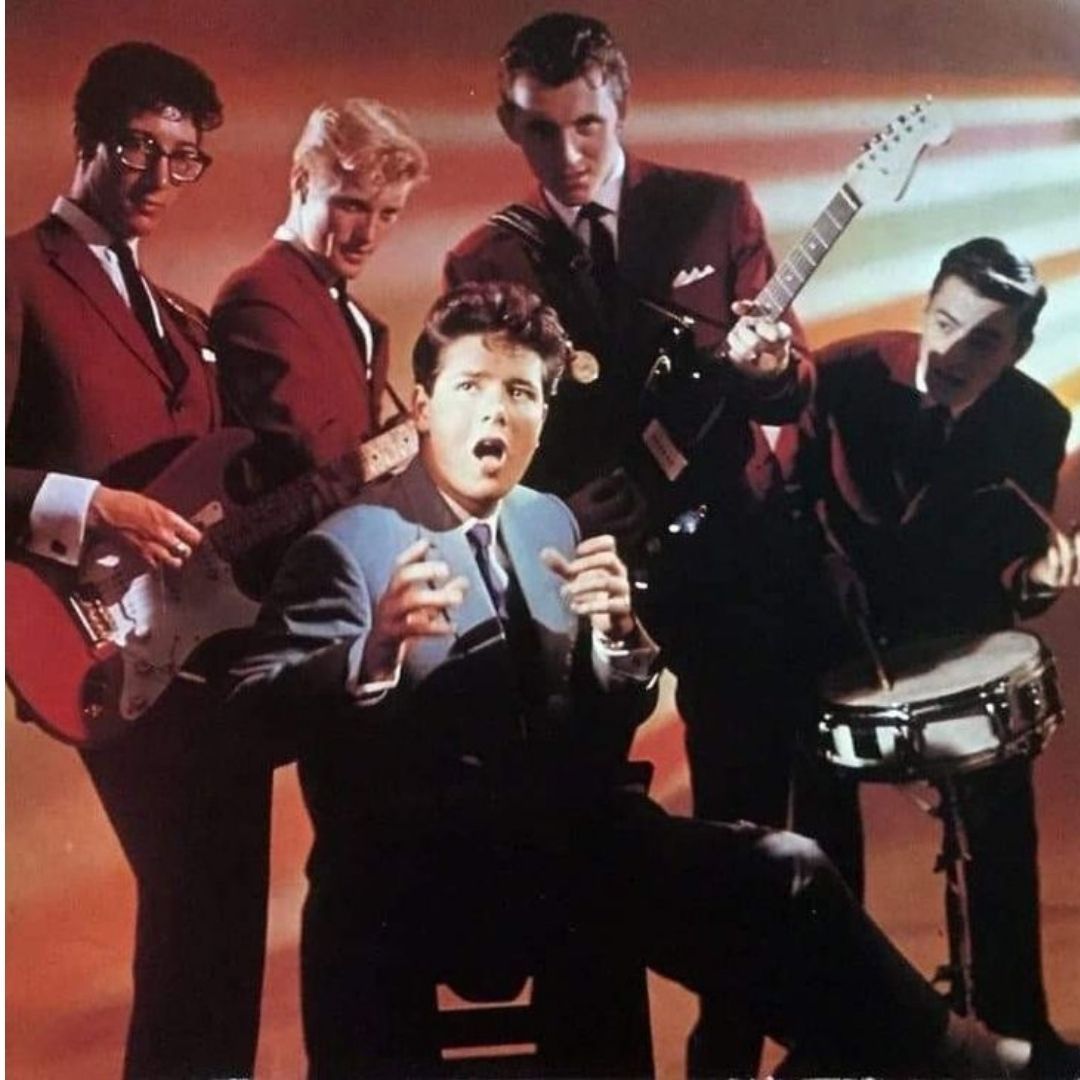
In the summer of 1959, British popular music stood at a momentous crossroads. Youth culture was blossoming across the United Kingdom, searching for an authentic voice that could capture its gentle longings, innocent romance, and quiet rebellion. Into this vibrant landscape walked a nineteen-year-old Harry Webb—known to the world as Cliff Richard—alongside his extraordinary backing band, The Shadows. Together, they recorded a track that would not only define an era but also deliver Cliff Richard his very first UK number-one single: the timeless masterwork, “Living Doll.”
The history of “Living Doll” is filled with wonderful creative serendipity. Originally written by songsmith Lionel Bart for the film Serious Charge, in which Cliff played a rebellious youth, the song was initially intended to be a fast, driving rock and roll track. However, during rehearsal sessions, lead guitarist Hank Marvin felt the uptempo arrangement lacked emotional charm. He proposed slowing the tempo down significantly, transforming the song into a relaxed, mid-tempo acoustic ballad. That intuitive stroke of genius reshaped the track completely, unlocking a subtle, intimate sweetness that resonated with millions of listeners.
When you listen to “Living Doll,” you are immediately embraced by its warm, organic acoustic texture. Hank Marvin and Bruce Welch’s delicate guitar picking weaves a gentle, swaying rhythm, while Jet Harris’s warm bassline grounds the melody with steady elegance. There are no heavy distortion pedals or grandiose orchestral swells here—just crisp acoustic strings, clean percussion, and pure vocal sincerity. The production is magnificently simple, allowing every subtle nuance of the performance to shine through like sunlight filtering through a bedroom window on a peaceful Sunday morning.
Cliff Richard’s vocal delivery on this recording is nothing short of magnetic. Youthful, tender, and effortlessly smooth, his voice carries a boyish romanticism that feels entirely genuine. He sings not with flashy theatrics, but with the quiet devotion of a young man serenading someone special. Every phrase feels personal, as if he is sharing an affectionate secret directly with the listener. It is this authentic warmth that turned “Living Doll” into a cross-generational anthem, appealing equally to smitten teenagers and older music lovers who recognized the universal beauty of pure romance.
Decades after its original release, “Living Doll” remains a cherished monument of mid-century popular culture. It takes us back to a simpler time of vinyl turntables, transistor radios on summer afternoons, and innocent dance halls. More than just a nostalgic relic, the song stands as a masterclass in pop craftsmanship—a reminder that true musical magic often lies in simplicity, restraint, and heartfelt delivery. To listen to “Living Doll” today is to revisit the sweet dawn of British pop rock, where a young icon and a legendary band turned a modest acoustic melody into an everlasting treasure.