INTRODUCTION
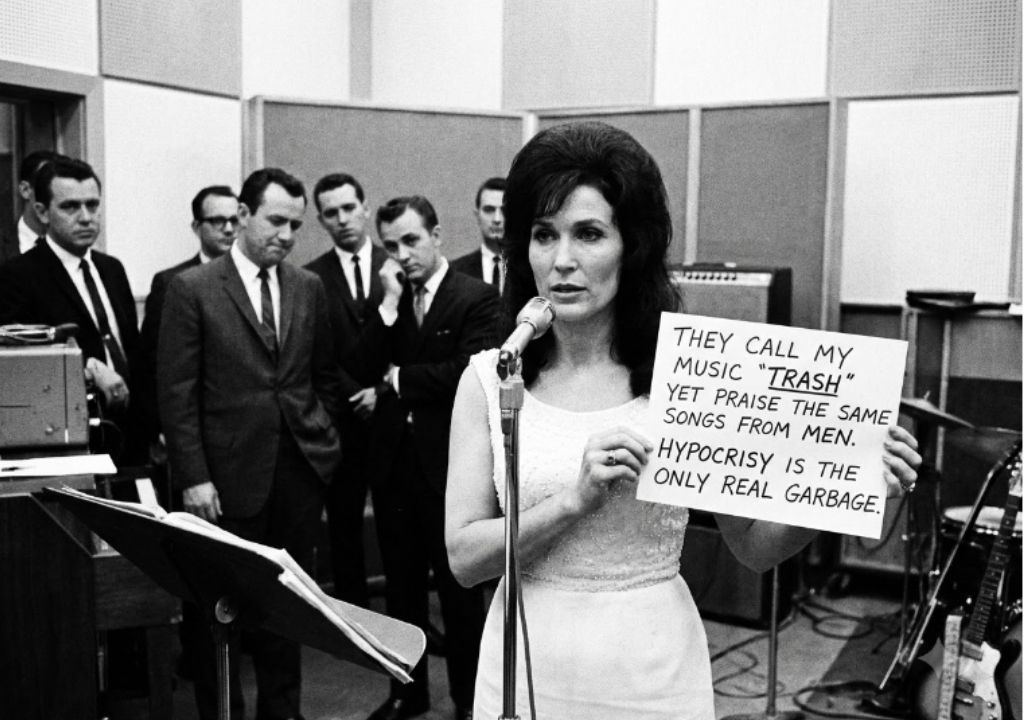
On a brisk Nashville evening in 1975, radio programmers across the American South quietly removed “The Pill” from their broadcast playlists, labeling the record unsuitable for mainstream airwaves. The song detailed the liberating reality of rural birth control, a topic male executives deemed improper for a female artist. Yet behind closed doors, country legend Loretta Lynn refused to accept their narrow moral boundaries. While critics attempted to brand her candid lyrics as lowbrow trash, thousands of working-class women flooded record stores, making the single an undeniable commercial powerhouse. Lynn exposed a glaring double standard within music journalism: male songwriters were praised as gritty realists for chronicling outlaw behavior, whereas women sharing authentic domestic struggles faced immediate institutional censorship. How did this courageous singer turn industry condemnation into a historic movement for artistic freedom?
THE DETAILED STORY
Throughout the 1960s and 1970s, the Nashville establishment operated under strict unspoken rules regarding gender roles. Male artists routinely sang about heartbreak, infidelity, and rowdy weekends with impunity, receiving accolades for their rugged honesty. However, when Loretta Lynn began penning chart-topping anthems like “Don’t Come Home A-Drinkin'” and “Rated ‘X'”, male critics quickly dismissed her narratives as cheap sensationalism. They profoundly misunderstood her artistic genius. Lynn was not crafting shock value; she was documenting the unvarnished lived experiences of millions of rural American women whose authentic voices had been systematically excluded from popular music culture.
Rather than retreating under critical disdain, Lynn confronted the industry hypocrisy head-on. She recognized that the elite male gatekeepers dismissing her work were deeply uncomfortable with a woman asserting total narrative autonomy. When conservative radio stations banned her singles, her audience responded by purchasing records in unprecedented numbers, proving that institutional censorship was entirely disconnected from public demand. Her signature masterpiece, “The Pill”, ultimately earned gold certification status despite widespread broadcast bans, solidifying her standing as an unstoppable commercial and cultural powerhouse in American entertainment.
By breaking the silence around domestic friction, reproductive autonomy, and female self-determination, Lynn elevated country songwriting into a vital medium for social commentary. She single-handedly dismantled the paternalistic expectation that female country performers should remain passive songbirds. Her fearless honesty forced trade publications like Billboard and Variety to recognize that working-class female listeners represented a formidable consumer demographic capable of driving the music industry’s primary economy.
Ultimately, Lynn’s defiance permanently reshaped American music history and journalistic discourse. Her enduring legacy demonstrated that true artistic greatness springs not from catering to elitist critics, but from honoring the unvarnished truth of human lives. By standing firm against dismissive male commentators, she triumphantly paved the way for future generations of female creators to speak openly, challenge industry conventions, and claim their rightful place at the absolute summit of modern global music culture.