Introduction
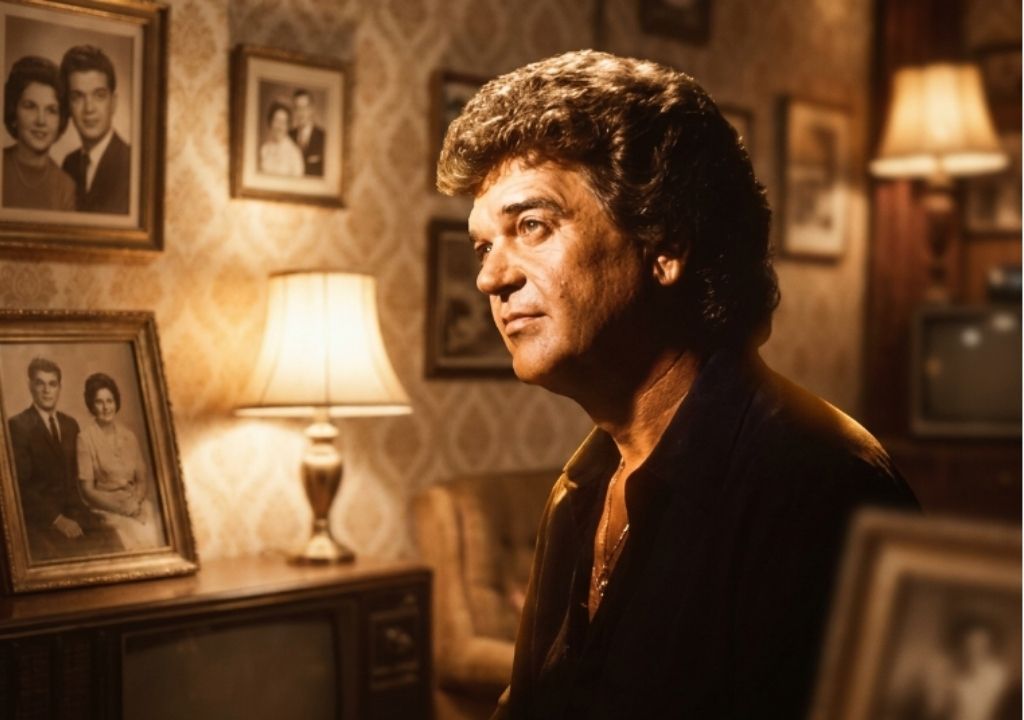
In the golden twilight of 1958, rock and roll was undergoing a quiet transformation. The wild, raw energy of early rockabilly was beginning to intertwine with cinematic drama, velvet production, and deep emotional vulnerability. Standing right at the center of this musical evolution was a young man born Harold Lloyd Jenkins, who would soon take the stage name Conway Twitty. When he entered the studio to record “It’s Only Make Believe,” he wasn’t just attempting to make a hit single; he was capturing the universal, ache-filled experience of unrequited love and pouring it directly onto magnetic tape. The result was a dramatic masterpiece that conquered radio airwaves on both sides of the Atlantic, establishing a legendary career that would span decades.
Written alongside his drummer Jack Nance during a tour stop in Hamilton, Ontario, the song originated from a place of pure, organic songwriting. Legend has it that the melody and lyrics came together in a modest hotel room, born from a simple guitar progression and a heart heavy with longing. The premise of the song is deeply relatable: a lonely soul standing in the shadows, desperately wishing that the object of their affection would look their way, forcing themselves to live in a fantasy world where love is returned. The phrase “make believe” becomes both a refuge and a prison, a fragile fantasy built to survive the harsh reality of rejection.
What makes “It’s Only Make Believe” an undeniable classic is its incredible vocal construction and slow-burning dramatic arc. The track begins softly, almost like a whispered confession in a dark room. Accompanied by subtle, strumming acoustic guitars and an understated rhythm section, Twitty’s voice enters with a rich, smooth warmth. But as the verses progress, the tension builds steadily. The backing vocals swell, the guitar notes weep with increasing intensity, and Conway’s delivery transforms from quiet melancholy into an explosive, soaring operatic cry. His iconic vocal growl on the final chorus—a moment so powerful that early listeners initially mistook him for Elvis Presley—cuts straight through the speaker, delivering an emotional punch that leaves the listener breathless.
Beyond its technical brilliance, the song captures the distinct nostalgia of the late 1950s—an era of glowing jukeboxes, spinning 45 RPM vinyl records, and late-night radio broadcasts filling dark bedrooms with dreams and heartache. Listening to it today feels like opening a time capsule to an age when music was unfiltered, passionate, and deeply human. “It’s Only Make Believe” hit the top of the Billboard charts and sold millions of copies worldwide, proving that raw emotional truth always transcends genre boundaries. Long before Conway Twitty became the undisputed titan of country music, this timeless ballad proved that he possessed one of the most expressive and soul-stirring voices in popular music history.