INTRODUCTION
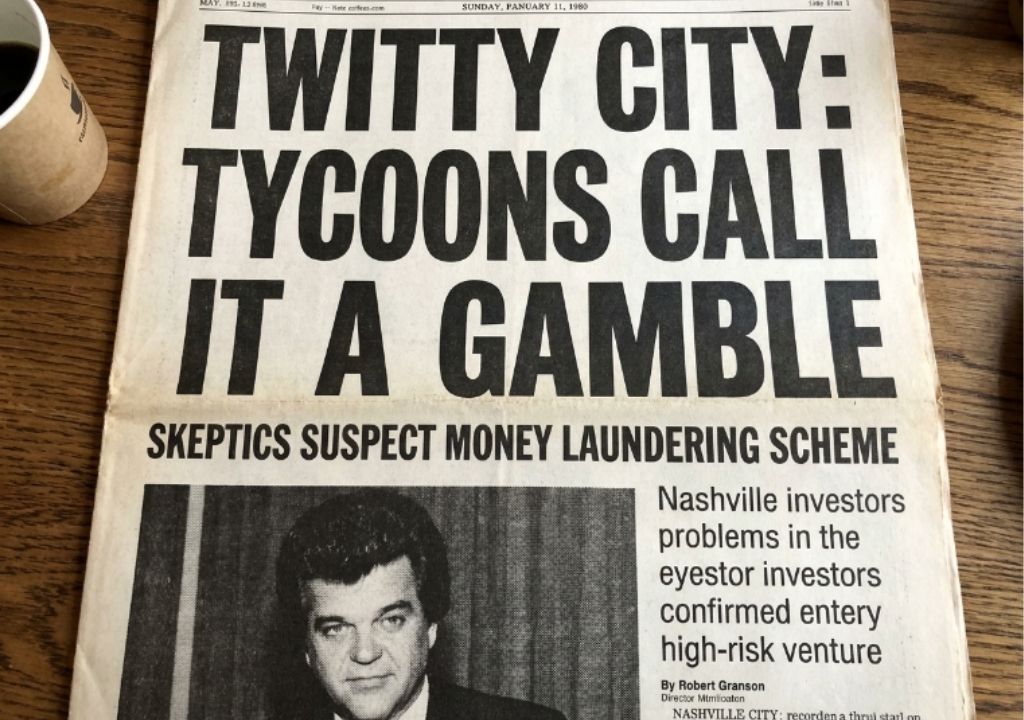
In the early months of 1981, heavy machinery began carving up nine sprawling acres of prime real estate in Hendersonville, Tennessee. The ambitious project, envisioned as a multi-million-dollar entertainment capital complete with custom mansions and theatrical pavilions, immediately drew intense scrutiny from Wall Street analysts and federal watchdogs. To corporate skeptics, the sheer velocity of capital flooding into this extravagant venture resembled less of a legitimate theme park and more of a sophisticated tax shield designed by financial tycoons. With the memory of corporate failures still fresh in the public consciousness, rumors circulated that this massive endeavor was merely a high-stakes gamble to obscure previous liabilities. Yet, underneath the gilded surface lay a profoundly calculated legal strategy that would fundamentally reshape American tax law and solidify an entertainment empire built on an unshakeable foundation of personal honor.
THE DETAILED STORY
The skepticism surrounding the construction of the entertainment complex was deeply rooted in the dramatic collapse of a previous corporate endeavor. In 1968, a fast-food franchise called Twitty Burger had secured nearly $1,000,000 USD in capital from prominent entertainment figures and country music elites. When the venture went entirely bankrupt by 05/01/1971, standard corporate practice dictated that the limited liability company dissolve, leaving investors to absorb the losses. Instead, a stunning counter-strategy unfolded. Driven by a fierce dedication to protecting his personal brand, the iconic performer chose to repay all seventy-five investors out of his own pocket using subsequent performance earnings.
When these substantial payouts were subsequently claimed as ordinary business deductions on federal income tax returns, the Internal Revenue Service immediately launched an aggressive challenge. Federal auditors argued that blending personal entertainment revenue with defunct corporate debts resembled an illicit financial shell game or an artificial wealth-shielding mechanism. By the time ground broke on the new Hendersonville tourist destination in 1981, the ongoing high-profile federal trial caused corporate watchdogs to suspect the multi-million-dollar park was a speculative capital gamble designed to launder or shelter wealth away from impending federal judgments.
However, the definitive resolution of this financial saga stunned the corporate world. In the landmark 1983 ruling for Jenkins v. Commissioner, the United States Tax Court delivered a historic opinion that completely legitimized the operation. The court ruled that in the entertainment industry, a performer’s reputation for personal integrity is a tangible business asset, making the voluntary repayments fully deductible. The presiding judge even commemorated the decision by entering a rhyming poem titled Ode to Conway Twitty into the official federal record. Ultimately, what corporate tycoons initially misjudged as a deceptive wealth-laundering gamble was exposed as a brilliant masterclass in brand preservation, transforming the estate into a highly profitable monument of country music history.