INTRODUCTION
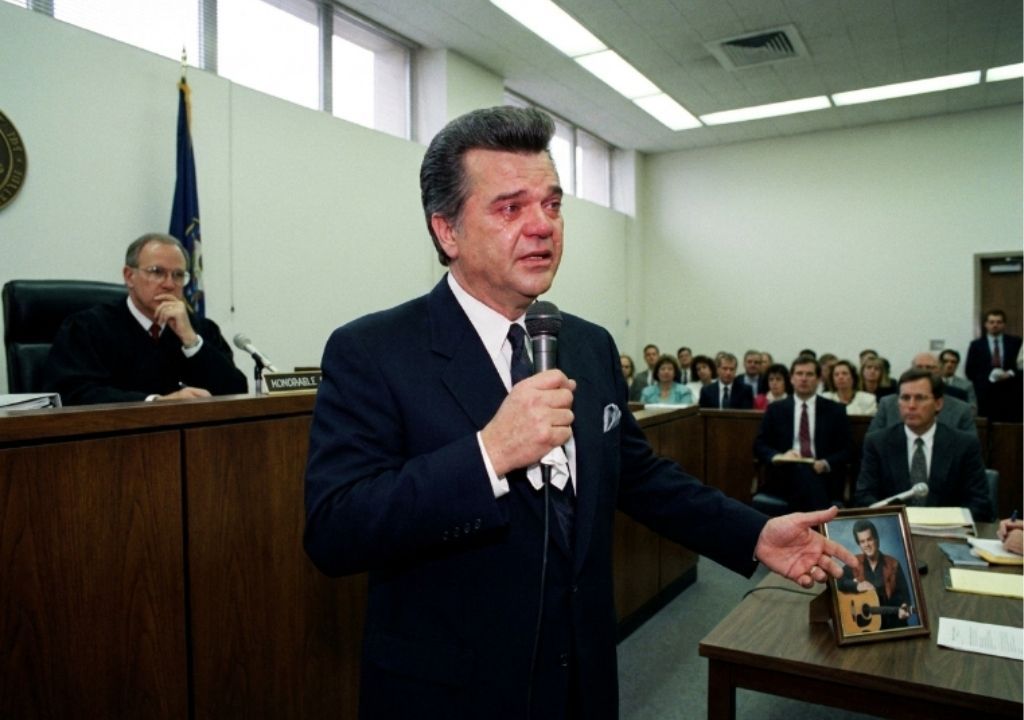
On a crisp morning in late 1983, a courtroom inside the United States Tax Court became the unlikely stage for a masterclass in country music ethics. Harold L. Jenkins, known to millions globally as the legendary titan Conway Twitty, stood before Federal Judge Leo H. Irwin. He was not there to contest a typical corporate discrepancy, but to defend a profound moral principle that defined his entire livelihood. The Internal Revenue Service had challenged his deduction of large payments made to investors of his failed fast-food venture, Twitty Burger. To the federal government, it was an impermissible tax maneuver. To the country icon, it was a matter of survival in an industry built entirely on the sacred nature of a man’s word. With tears visibly forming in his eyes, the singer delivered an emotional testimony that permanently intertwined corporate tax law with the unwritten honor code of Nashville.
THE DETAILED STORY
The roots of the legal battle trace back to the late 1960s when the musician launched Twitty Burger, a fast-food franchise intended to capitalize on his massive fame. By 1971, the venture collapsed entirely, leaving dozens of close friends, country artists, and hometown acquaintances facing devastating financial losses. Under standard corporate law, the singer possessed no legal obligation to reimburse the defunct entity’s stockholders. Yet, the uniquely tight-knit ecosystem of country music operates under vastly different parameters than mainstream American corporate sectors.
Conway Twitty recognized that his commercial viability depended entirely on his public image as a trustworthy, relatable storyteller. If word spread that he had abandoned his partners, his country music career would collapse. Over the subsequent years, he systematically utilized his personal performance revenue to handle the corporate debts, ensuring no one suffered from trusting him. When he filed his taxes, he claimed these repayments as ordinary and necessary business expenses required to protect his primary source of income: his reputation.
The federal government rigidly dissented, setting up the historic confrontation in Washington. Inside the courtroom, the country pioneer gave a deeply moving explanation of the Nashville ethos. He explained that country music fans demand an authentic connection; a single breath of scandal regarding financial deception would permanently alienate his audience and terminate his contract with MCA Records. His voice cracked with genuine emotion as he emphasized that a country singer’s word is a binding contract.
The profound sincerity of the argument thoroughly convinced the judiciary. In a landmark decision issued on 11/03/1983, Judge Irwin ruled completely in his favor. Recognizing that maintaining business reputation is critical, the court validated the deduction. In an unprecedented move, Judge Irwin even concluded his official legal opinion with an elegant country music poem, cementing the singer’s victory as a definitive triumph for artistic integrity over bureaucratic rigidity.