Introduction
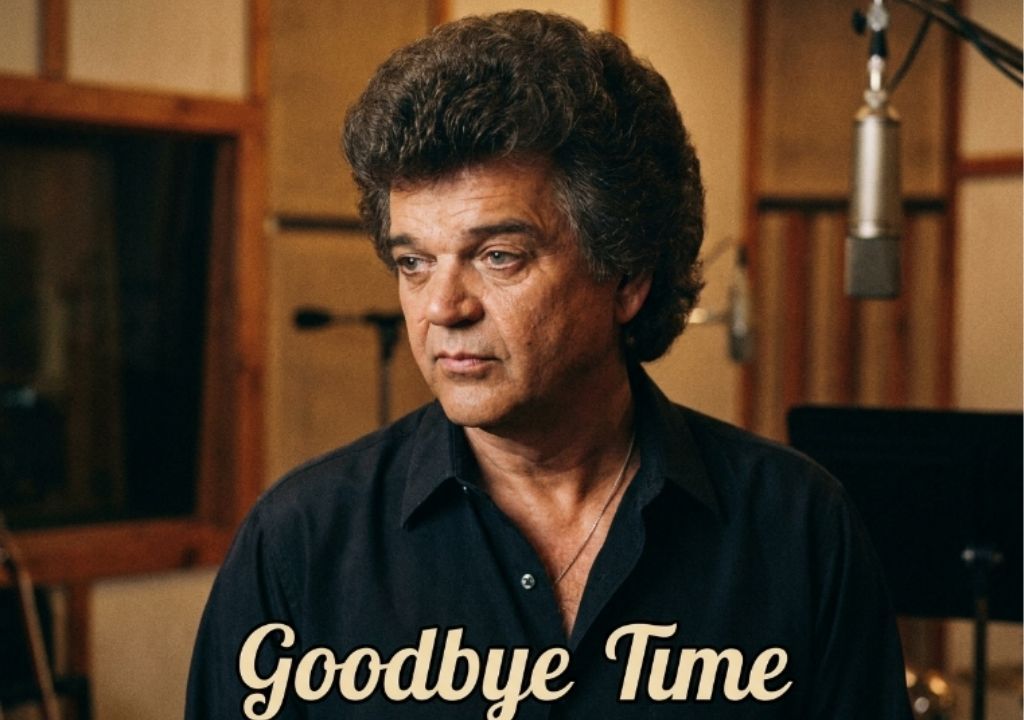
By the late 1980s, country music was undergoing a massive generational shift. The rise of the neo-traditionalists was changing the sonic landscape, yet the legendary Conway Twitty remained an unshakeable titan. For decades, he had been the definitive high priest of country music romance, crafting a legacy built on intimate whispers, smooth charm, and an unparalleled understanding of the human heart. But when he released “Goodbye Time” in 1988 as the lead single from his album Still in Your Eyes, he proved that his artistry could delve into the darkest, most devastating corners of love. Written by James Dean Hicks and Roger Murrah, this song didn’t just climb the charts; it etched itself into the souls of listeners as one of the most painfully beautiful breakup anthems ever recorded.
The atmosphere of “Goodbye Time” is heavy with the palpable weight of an ending. The instrumentation captures the polished, synth-infused country-pop production of the late 80s, but it uses those textures to construct a stark, deeply cinematic space. A soft keyboard introduction unfolds like the quiet hum of an empty house after midnight, immediately pulling the listener into a private, domestic tragedy. The lyrics don’t rely on grand, dramatic gestures; instead, they capture the mundane, agonizing reality of two people realizing that the thread holding them together has finally snapped. It is the moment when fighting ceases, excuses run out, and the only thing left to do is acknowledge the phantom standing between them. Lines about packing belongings and the quiet finality of a closing door feel less like a song and more like a memory stripped raw.
What truly elevates “Goodbye Time” into the pantheon of timeless masterpieces is Conway Twitty’s vocal performance, which can only be described as an emotional tour de force. Conway was always a master of vocal dynamics, but here, he delivers a masterclass in restraint and explosion. He begins the song in a low, gravelly whisper—a vulnerable, near-spoken confession that makes you feel as though you are eavesdropping on a private heartbreak. As the narrative progresses and the realization of loss settles in, his voice begins to swell. When he reaches the soaring crescendo of the chorus, the restraint shatters. He unleashes a powerhouse, tear-soaked belt that carries the entire weight of a man watching his world crumble. It is a vocal delivery that requires no artificial enhancement; the sheer grit, pain, and decades of lived experience in his voice do all the heavy lifting.
Listening to “Goodbye Time” today triggers a deep, aching nostalgia for an era when country music was unafroad to be utterly vulnerable. Conway Twitty possessed a rare, magical ability to make a stadium full of people feel like he was singing directly to each of them in a dark corner of a smoky room. While the song would later be introduced to a new generation through a spectacular cover by Blake Shelton, Conway’s original version remains an untouchable standard. It stands as a monument to the power of a great country ballad—a song that doesn’t offer easy comfort or a happy resolution, but instead sits with you in the quiet, holding your hand through the sorrow, reminding us that sometimes, the most beautiful music is born from the pieces of a broken heart.