Introduction
The early 1960s in Great Britain was a fascinating time of musical transition. The raw, untamed energy of early American rockabilly had crossed the Atlantic, but it was beginning to meld with something uniquely British—a sophisticated, orchestral approach to pop music that provided a dramatic stage for a new breed of solo stars. At the absolute apex of this golden era stood Billy Fury. Born Ronald Wycherley in Liverpool, Fury was an anomaly among the teen idols of his generation. While others projected a clean-cut, cheerful persona, Fury was moody, cinematic, and profoundly vulnerable. Draped in black leather with a striking pompadour, he looked like a rebel, but the moment he opened his mouth, he bared a fragile, aching soul that could reduce a room to absolute silence.
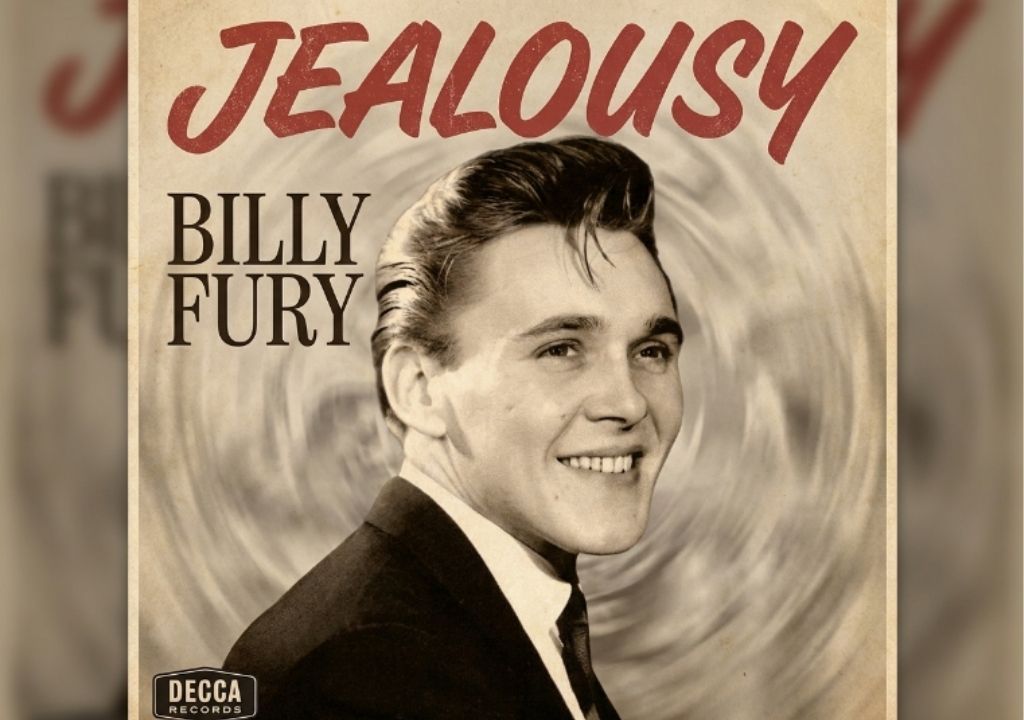
By the autumn of 1961, Billy Fury was already a household name, but it was the release of “Jealousy” that solidified his reputation as the definitive balladeer of heartbreak. Reaching the number two spot on the UK Singles Chart in October of that year, “Jealousy” followed hot on the heels of his massive hit “Halfway to Paradise.” Yet, where “Halfway to Paradise” offered a glimpse of hopeful romance, “Jealousy” plunged the listener into the agonizing, shadowy depths of romantic insecurity. It is a song that addresses one of human nature’s most destructive emotions, but in Fury’s hands, jealousy is stripped of its malice and transformed into an exquisite, tear-stained plea of overwhelming love.
The true magic of this recording lies in its immaculate production and arrangement, spearheaded by the legendary Ivor Raymonde at Decca Records. The track opens with a slow, deliberate rhythm, accompanied by sweeping, dramatic strings that mirror the rising tide of panic inside a lover’s heart. It creates a smoky, midnight atmosphere that feels intensely private, as if we are eavesdropping on a late-night confession. Above this lush orchestration floats Fury’s signature vocal style. He possessed an incredible control over his vibrato, letting his voice tremble just enough to convey genuine emotional distress without ever losing its melodic beauty. When he hits the soaring crescendos of the chorus, the sheer weight of his devotion is palpable. Every syllable feels heavy with a profound sincerity that modern, over-polished digital recordings simply cannot replicate.
Listening to “Jealousy” on a spinning 45 RPM vinyl record today is a deliberate journey back into an era where music was a deeply physical and emotional anchor. It evokes vivid images of rain-slicked cobblestone streets, teenage lovers huddled under the neon glow of jukeboxes, and the bittersweet intensity of mid-century romance. Tragically, Billy Fury’s life was cut short in 1983 due to a lifelong heart condition, a poignant reality given that he gave so much of his literal and metaphorical heart to his art. Yet, when the needle drops and those opening strings swell, the decades instantly evaporate. Billy Fury stands before us once again, frozen in time, capturing the timeless agony of love in a way that continues to resonate across the generations.