Introduction
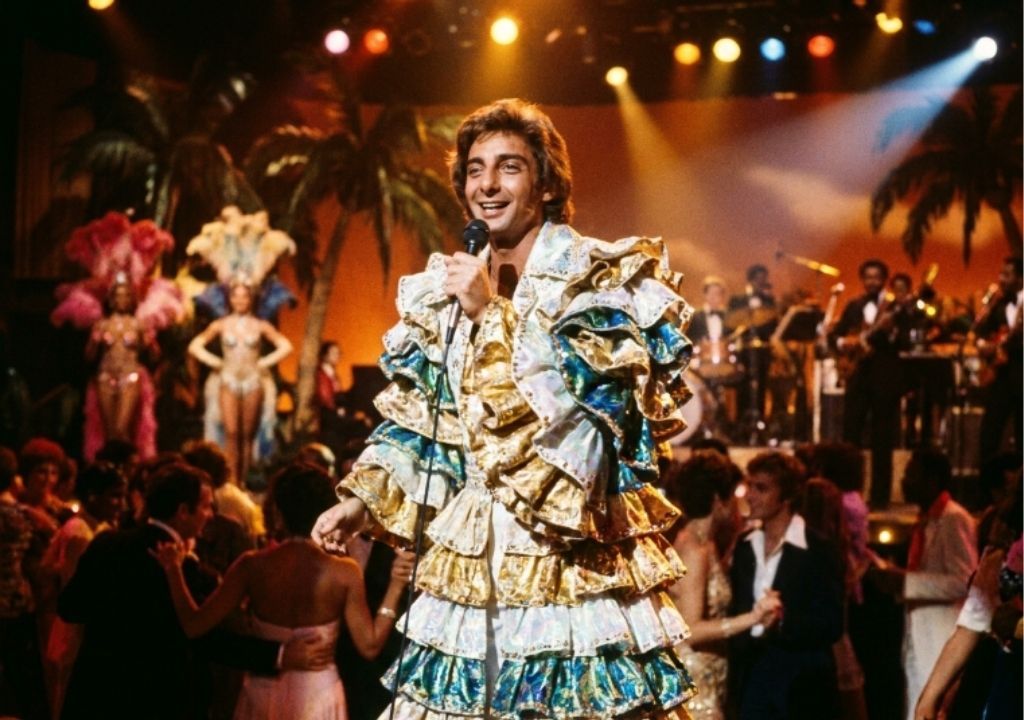
The late 1970s was an era defined by sonic escapism. Glittering disco balls, pulsating basslines, and the intoxicating promise of the dance floor offered a refuge from the economic anxieties of the decade. Yet, amidst the sea of repetitive rhythms, one track stood out as a vivid, cinematic masterpiece. Released in 1978, “Copacabana (At the Copa)” by Barry Manilow re-engineered what a dance song could be. It was not merely a track to groove to; it was a three-act tragedy draped in feathers, neon lights, and infectious Afro-Cuban rhythms. Manilow, a master showman and an exquisite ballad writer, proved that a club anthem could possess the narrative depth of a theatrical production.
When you listen to the opening bars of the song—the sudden explosion of brass, the driving percussion, and the immediate syncopation—you are instantly transported to a world of vintage glamour. Manilow handles the atmosphere like a film director setting up a scene. We are introduced to Lola, the showgirl with yellow feathers in her hair, and Tony, the bartender who loved her. The music feels warm, tropical, and alive, perfectly mimicking the heat of a bustling night spot where passion and dreams collide. This ability to paint a sensory picture through orchestration is the hallmark of the 1970s pop style, an era when real instruments and complex arrangements carried the emotional weight of a story.
However, the true genius of the song lies in its brilliant, unsettling contrast. While your feet are moving to the intoxicating, celebratory beat, your mind is absorbing a harrowing tale of love, jealousy, murder, and eventual madness. When the gangster Rico enters the frame, the tension peaks, culminating in a single gunshot that changes everything. Manilow leaves the shooter ambiguous, but the emotional fallout is crystalline. The transition from the bright, youthful love of the first verse to the haunting portrait of an aged Lola sitting alone at the now-abandoned bar thirty years later is heartbreaking. It is a profound meditation on loss, nostalgia, and the relentless march of time, wrapped inside a glittering pop package.
Barry Manilow’s vocal performance is spectacular precisely because he remains an objective narrator who feels deeply for his characters. His voice carries a theatrical warmth, navigating the soaring choruses with effortless charisma while maintaining a poignant undercurrent of melancholy. Decades later, the song remains an enduring cultural touchstone because it captures the essence of an era that believed in the magic of storytelling. It reminds us of a time when pop music dared to be ambitious, dramatic, and unapologetically alive.