Introduction
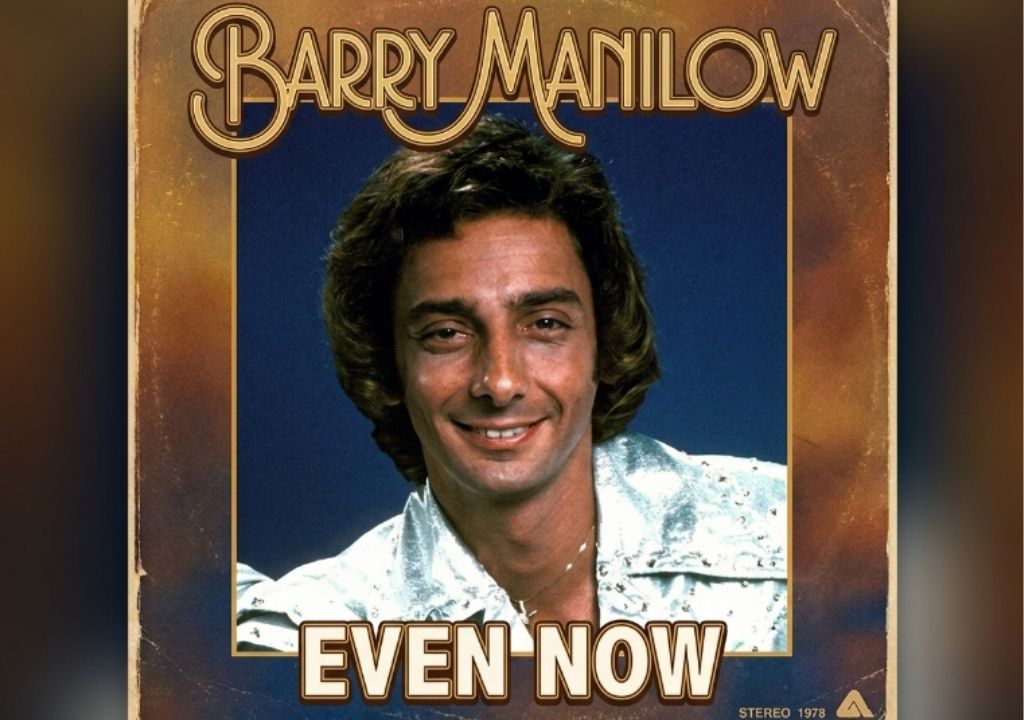
The late 1970s was a fascinating landscape for popular music. While disco dominated the dance floors with its glittering, energetic beats, a parallel universe of profound emotional storytelling thrived on the radio. At the absolute center of this melodic universe stood Barry Manilow, a master craftsman of the grand pop ballad. Released in 1978 as the title track of his acclaimed album, “Even Now” represents the absolute pinnacle of Manilow’s unique ability to translate human vulnerability into an epic sonic experience. It is a song that acts as a mirror for anyone who has ever loved deeply and lost, capturing that bittersweet realization that some chapters of our lives never truly close, no matter how much time passes.
The true genius of “Even Now” lies in its masterful dramatic structure, a signature trait of Manilow’s collaboration with co-writer Marty Panzer. The song begins not with an explosion of sound, but with a quiet, introspective piano arrangement that mirrors the solitary nature of memory. As Manilow’s vocals enter, there is a conversational, almost fragile intimacy to his delivery. He paints a vivid picture of a man who has seemingly moved on, built a secure life, and found a new companionship. Yet, underneath this facade of contentment lies an undeniable ache. The magic happens as the arrangement subtly builds, layering lush strings and swelling orchestrations that parallel the rising tide of unresolved emotion. When the song reaches its iconic, soaring chorus, the restraint shatters, releasing a tidal wave of vocal power and passion that captures the absolute agony of lingering devotion.
Lyrically, the track is a poetic exploration of emotional haunting. It addresses the ghost of a past romance that refuses to be exorcised by the passage of time or the warmth of a new embrace. When Manilow sings about how the memories remain completely undiminished, it strikes a universal chord. It speaks to the terrifyingly beautiful reality that our hearts possess an indelible memory. The production handles this heavy emotional weight with incredible sophistication, utilizing the classic 1970s adult contemporary aesthetic to create a space that feels both grandly theatrical and intensely personal. The listener is trapped in the same emotional purgatory as the singer, caught between the reality of the present and the unyielding gravity of the past.
Decades after its initial release, “Even Now” continues to resonate with a timeless power that transcends generational boundaries. In an era where modern music often favors detached irony or digital perfection, this masterpiece stands as a monument to raw, unfiltered emotional honesty. It reminds us of a time when pop music was unafraid to be grand, dramatic, and deeply sentimental. Barry Manilow’s performance on this track remains a masterclass in interpretive singing, proving that he was far more than a mere hitmaker; he was a custodian of the human heart’s most delicate secrets. Listening to it today is like opening an old, forgotten drawer filled with handwritten letters—a poignant, beautiful reminder that love, once truly felt, never completely leaves us.