INTRODUCTION
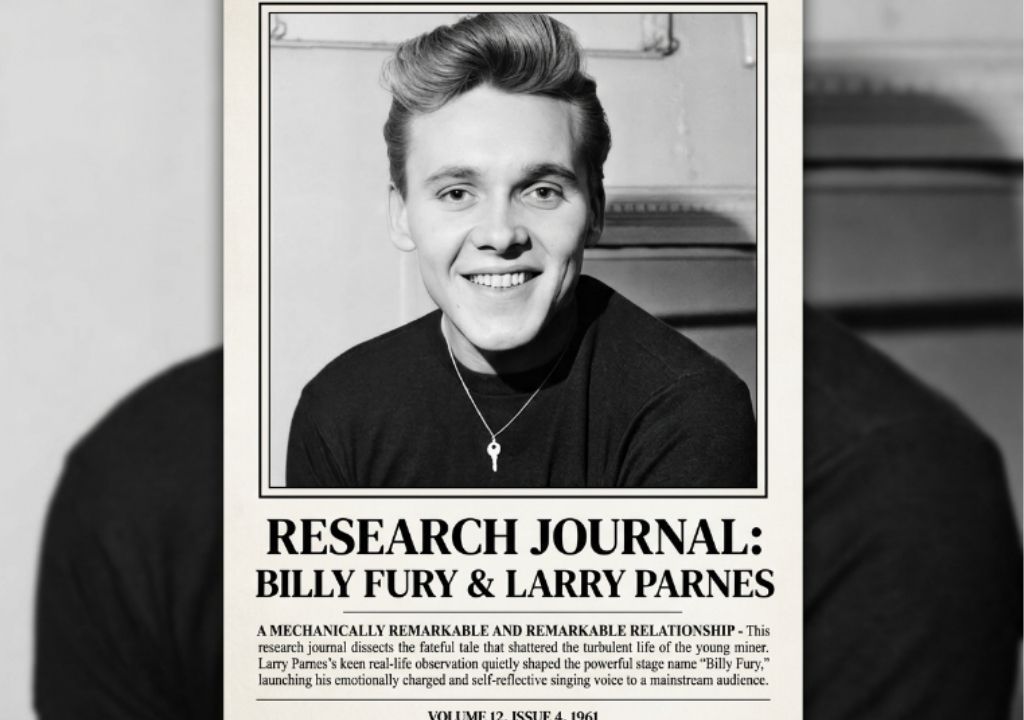
On the chilly evening of 10/03/1958, around 8:00 PM GMT, a frail eighteen-year-old Liverpool dock worker named Ronald Wycherley stepped into the backstage alley of the Essoldo Theatre in Birkenhead. The autumn air hovered near 52 Fahrenheit as the young man gripped a battered acoustic guitar, hoping merely to pitch his original compositions to touring star Marty Wilde. Instead, he encountered Larry Parnes, the most formidable pop impresario of the post-war British era. Parnes, an executive possessing an uncanny instinct for commercial charisma, did not just buy the songs; he instantly recognized a raw, melancholic magnetism in the boy’s trembling demeanor. Within minutes, Parnes thrust Wycherley onto the stage before an unsuspecting audience. By the time the curtain fell, a historic alliance was forged, permanently altering the landscape of mid-century popular music.
THE DETAILED STORY
The transformation of Ronald Wycherley into Billy Fury remains one of the most calculated yet brilliant chapters in entertainment history. Parnes, renowned for managing a stable of premier talent with aggressive stage names like Marty Wilde and Vince Eager, recognized that Wycherley’s profound vocal vulnerability required a striking, cinematic counterpoint. He christened the young artist “Billy Fury,” a powerful moniker explicitly designed to project a fierce, rebellious rock-and-roll attitude that contrasted beautifully with the singer’s innate tenderness. This brilliant stylistic dichotomy quickly became the creative engine of their highly lucrative business enterprise.
Under Parnes’s strict financial stewardship, Fury was signed to an exclusive contract that initially yielded modest weekly advances, yet the cultural dividends were instantaneous. Parnes swiftly secured a major recording deal with Decca Records, positioning the young star as the definitive European answer to Elvis Presley. While some contemporary industry skeptics initially dismissed the partnership as a purely manufactured corporate gimmick, Fury’s raw artistic output consistently proved otherwise. His landmark 1960 debut album, The Sound of Fury, which featured entirely self-penned tracks, became an undisputed masterpiece of early British rockabilly, eventually commanding significant archival value in the global music market.
Throughout the golden era of the early 1960s, the Parnes-Fury machine dominated the international music charts with iconic, soul-stirring ballads like “Halfway to Paradise” and “Jealousy.” Parnes masterfully managed Fury’s public persona, ensuring his high-profile television appearances on influential network programs, later broadcast to American markets at 9:00 PM ET, were meticulously blocked to emphasize his smoldering sensuality and deeply empathetic lyrical delivery. Despite enduring severe, lifelong health struggles stemming from childhood rheumatic fever, Fury maintained a rigorous national touring schedule that grossed thousands of USD ($) per week, solidifying his status as a premier live box-office draw. Ultimately, the mechanical precision of Parnes’s management style did not suppress Fury’s artistry; instead, it provided the vital structural scaffolding necessary to project his authentic, sorrowful, and deeply compassionate voice to millions of listeners worldwide, forever securing his immortal legacy in the pantheon of modern popular culture.