Introduction
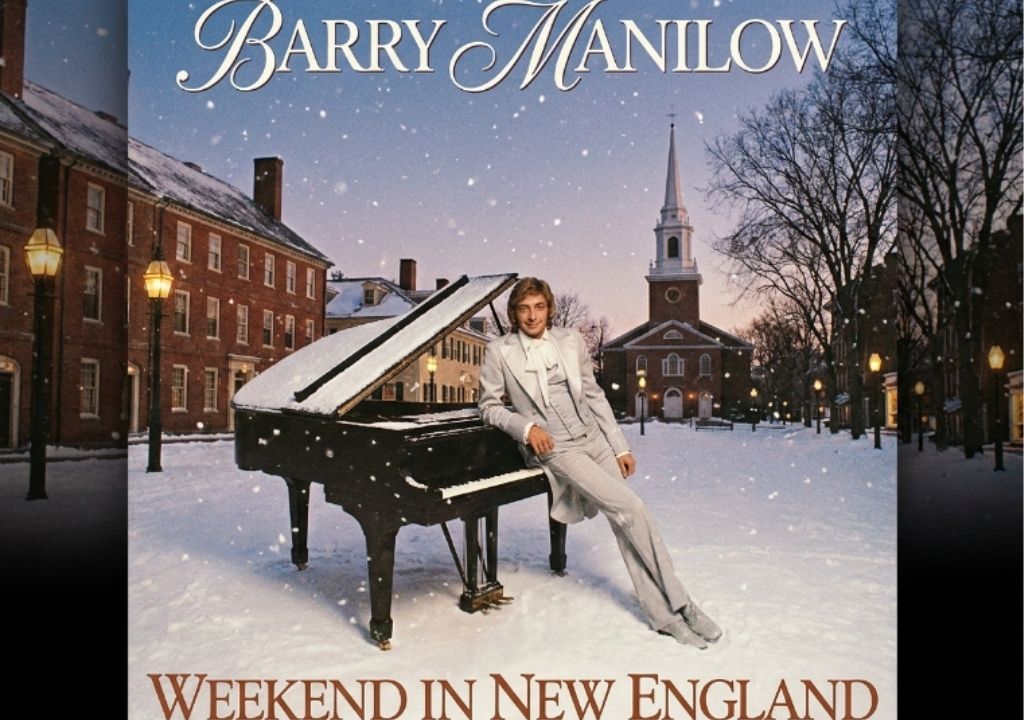
The year 1976 was a fascinating crossroads for the global music scene, a time when the glitter of disco was beginning to rise, yet the pure, unadulterated power of the emotional ballad still held a sacred keyspace in the hearts of millions. Standing at the absolute vanguard of this melodic romanticism was Barry Manilow, an artist who possessed an unparalleled gift for transforming a simple pop record into a sweeping, cinematic experience. His masterpiece, “Weekend in New England,” serves as the ultimate testament to this golden era of storytelling. It is not merely a song to be listened to; it is a beautifully directed film compressed into less than four minutes, evoking the crisp, biting air of a northeastern coast, the overcast grey skies, and the crushing, quiet weight of an impending goodbye. Written by the brilliant Randy Edelman but completely immortalized by Manilow’s theatrical genius, the track stands as a timeless masterclass in adult contemporary pop, where every single chord progression mirrors the slow, agonizing ache of a longing human heart.
The narrative architecture of the track is incredibly delicate and masterfully paced. It begins not with a grand flourish, but with a gentle, solitary piano line that mimics the absolute isolation of a cold hotel room after a lover has departed. When Manilow’s vocals finally enter, they carry a rare, fragile intimacy that immediately disarms the listener. He is not performing for a packed arena here; instead, he sounds as though he is whispering a private confession into the dark. The poetic lyrics paint vivid, bittersweet vignettes of a fleeting romance—precious time spent wrapped in warm blankets, walking along a desolate, chilly beach, and sharing whispered promises that felt entirely safe from the chaos of the outside world. The song captures that universal, agonizing transition from the profound warmth of shared intimacy back to the stark, lonely reality of separate everyday lives, making the listener feel the weight of every passing mile.
What truly elevates this recording into the pantheon of absolute musical legends is its extraordinary sonic structure. Manilow has always been the undisputed king of the dramatic crescendo, and “Weekend in New England” might just be his finest hour in that regard. As the story unfolds, the orchestration subtly and brilliantly expands. What started as a simple piano ballad gradually layers on lush, weeping strings and swelling woodwinds, steadily building an almost unbearable level of emotional tension. The instrumentation perfectly mimics the internal emotional storm of the narrator, who is desperately trying to maintain his outward composure while his inner soul is crying out in desperation. By the time the song reaches its iconic, earth-shattering chorus—marked by the desperate plea of “When will I hold you, see you, when will I hear you”—the vulnerability transforms into a towering, operatic wave of pure passion. It is a moment of unadulterated musical catharsis that completely overwhelms the senses and leaves the listener utterly breathless.
Decades after its initial release, “Weekend in New England” continues to endure as a timeless touchstone for anyone who has ever loved deeply and been forced by circumstance to let go, if only for a temporary period. It speaks profoundly to the permanence of human memory and the painful, quiet spaces that exist between reunions. Manilow’s legendary career was defined by his unique ability to make grand, theatrical arrangements feel intensely personal and authentic, and this particular masterpiece stands proudly as the crown jewel of that artistic philosophy. Listening to it today provides a deeply nostalgic journey back to a wonderful epoch when popular music embraced unapologetic romanticism without a single shred of irony, leaving an permanent, beautiful mark on the landscape of vintage pop music.