INTRODUCTION
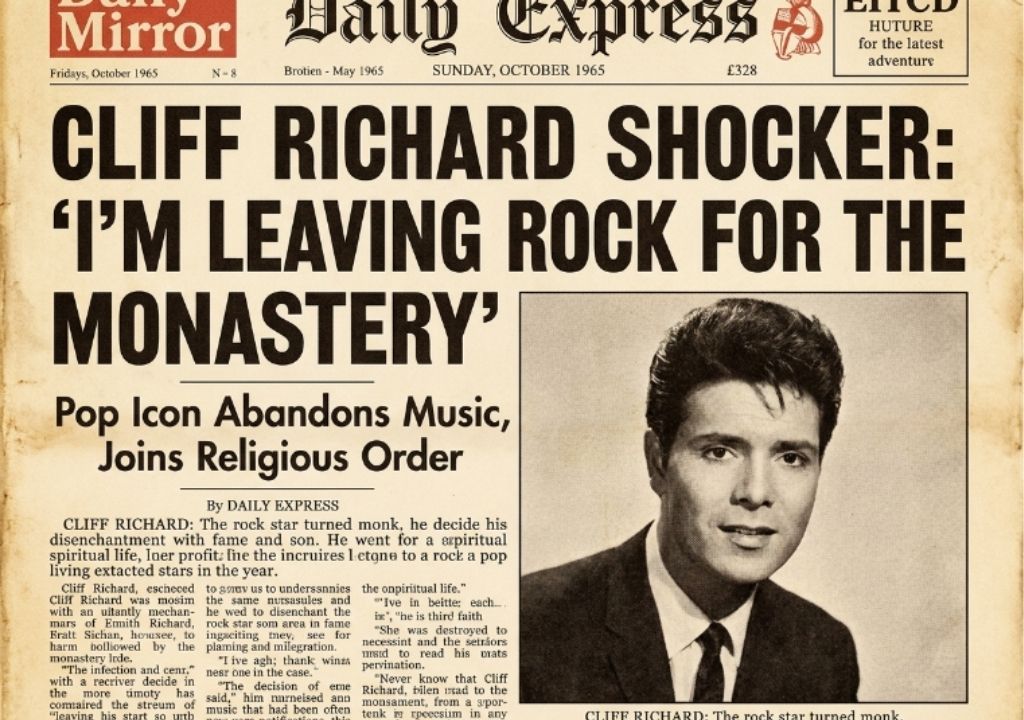
On June 16, 1966, at 08:00 PM ET, a hush fell over the massive crowd gathered inside London’s Earls Court. They had not come to see a typical rock concert, yet the man stepping up to the microphone was Britain’s premier rock star, a performer who routinely rivaled Elvis Presley on the charts. Instead of launching into a high-energy guitar riff, the young singer delivered a message that sent shockwaves through the executive offices of EMI Records. He openly declared his newly solidified faith and confessed an agonizing professional dilemma. This public revelation marked the beginning of a profound cultural crisis that threatened to prematurely end one of the most lucrative entertainment careers in British history, fundamentally challenging the secular architecture of modern celebrity.
THE DETAILED STORY
In the mid-1960s, the financial machinery backing the British pop ecosystem relied heavily on a predictable formula of youth culture marketing. Having accumulated multiple number-one singles, Cliff Richard was the undisputed crown jewel of this commercial apparatus. However, beneath the polished veneer of cinematic success and sold-out stadium tours lay a profound spiritual restlessness that culminated in a private conversion. The pop star’s corporate inner circle feared that his public alliance with evangelist Billy Graham would instantly alienate a fiercely rebellious teenage demographic.
Industry executives scrambled as rumors solidified that the singer intended to completely abandon show business to become a religious teacher. Music publications like Billboard tracked the developing situation with intense scrutiny, questioning whether a rock-and-roll pioneer could maintain cultural credibility while walking away from millions of dollars in future recording contracts. The stakes were unprecedented; no major British artist had ever threatened to dismantle a global brand for theological pursuits at the absolute zenith of their commercial viability.
Ultimately, the impending crisis resolved not through total renunciation, but through an innovative redefinition of the artistic platform. Close theological advisors successfully persuaded the musician that his immense cultural reach could serve a higher purpose within the existing entertainment framework rather than outside of it. He returned to the studio with a recalibrated creative vision, releasing gospel-influenced tracks alongside traditional pop arrangements that still achieved immense chart success.
This historic compromise proved to the global music industry that spiritual faith and commercial longevity were not mutually exclusive concepts. By refusing to entirely sacrifice his art or his beliefs, he established a brand-new corporate precedent for contemporary artists navigating personal convictions under the intense, unforgiving glare of international stardom, forever altering how the industry viewed the personal agency of its most valuable pop commodities.