Introduction
There is a specific kind of magic that belongs exclusively to the pre-Beatles era of British popular music. It is a world painted in shades of monochrome romance, smoky late-night coffee bars, and the fragile vulnerability of young love. At the absolute center of this universe stood Billy Fury, a man whose striking, James Dean-esque looks hid a deeply sensitive soul and a vocal delivery that could break a heart from across a crowded room. Released in July 1962, “Once Upon a Dream” remains one of the ultimate testaments to his unique artistry—a song that transcends the typical pop structures of its time to become something intensely cinematic.
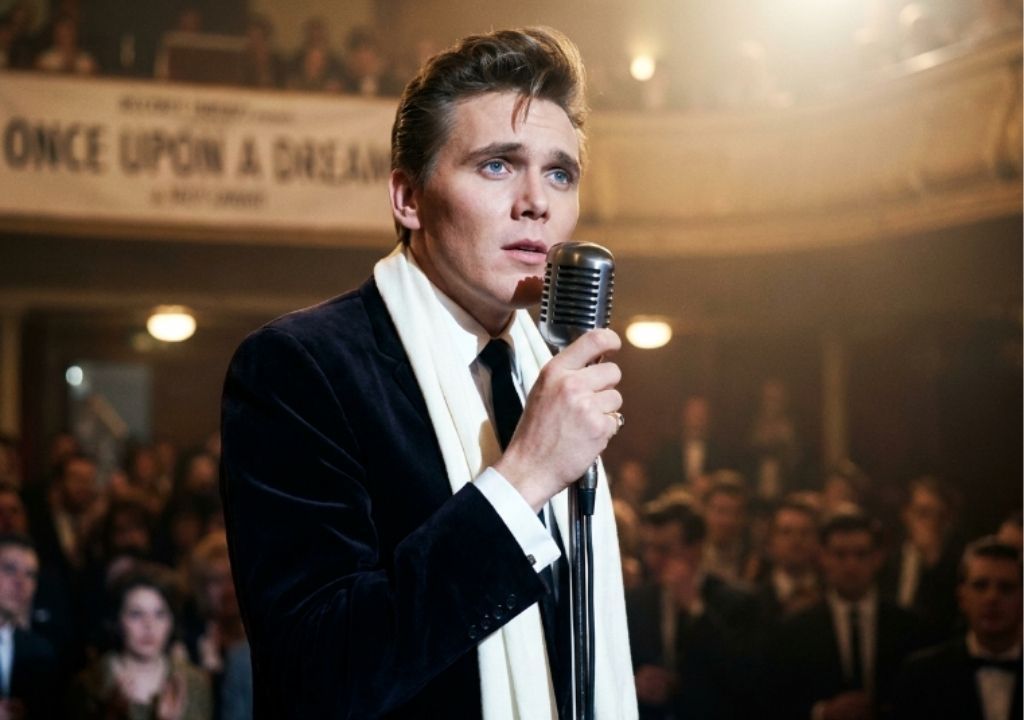
The track was written by the formidable duo of Norrie Paramor and Dick Rowe, but in the hands of Billy Fury, it became an intimate confession. Originally featured in his musical film Play It Cool, where he famously performs the song in the departure lounge of Gatwick Airport, the track captures a poignant sense of yearning and transient romance. When you listen to it today, you are immediately transported to that specific moment in 1962. The opening instrumentation creates an atmospheric backdrop, but it is Fury’s voice that commands your full attention. He possessed a rare, velvet-like texture that could shift seamlessly from a rock-and-roll growl to a tender, breathless whisper. On this record, he leans entirely into the latter, wrapping his vocal chords around each syllable with a mixture of hope and profound melancholy.
During the early 1960s, British pop was in a fascinating state of transition. First-generation rock and roll was beginning to splinter, and artists were searching for a sound that combined the raw emotionality of youth culture with the lush orchestration of traditional pop. Billy Fury mastered this balance like no other. “Once Upon a Dream” peaked at number seven on the UK charts, cementing his status as a permanent fixture in the hearts of millions. It wasn’t just a hit; it was an emotional landmark for a generation that was learning how to navigate the complex waters of modern romance. The song’s lyrical theme—clinging to a fleeting, idealized vision of love that might only exist in one’s imagination—resonated deeply with listeners who saw their own private heartaches reflected in Fury’s soulful delivery.
What truly separates Billy Fury from his contemporaries was his authenticity. He lived and breathed the music, and despite his massive fame, he always retained an air of gentle humility and reclusiveness that made him all the more alluring. “Once Upon a Dream” is a beautifully concise masterpiece, clocking in at just under two minutes, yet it manages to convey an entire lifetime of longing within that brief window. Decades later, as we look back through the lens of musical history, the song serves as a vivid time capsule. It reminds us of an era when a song didn’t need elaborate production tricks to move you; it just required an honest melody, a sweeping arrangement, and a voice that truly understood the weight of a broken dream.