Introduction
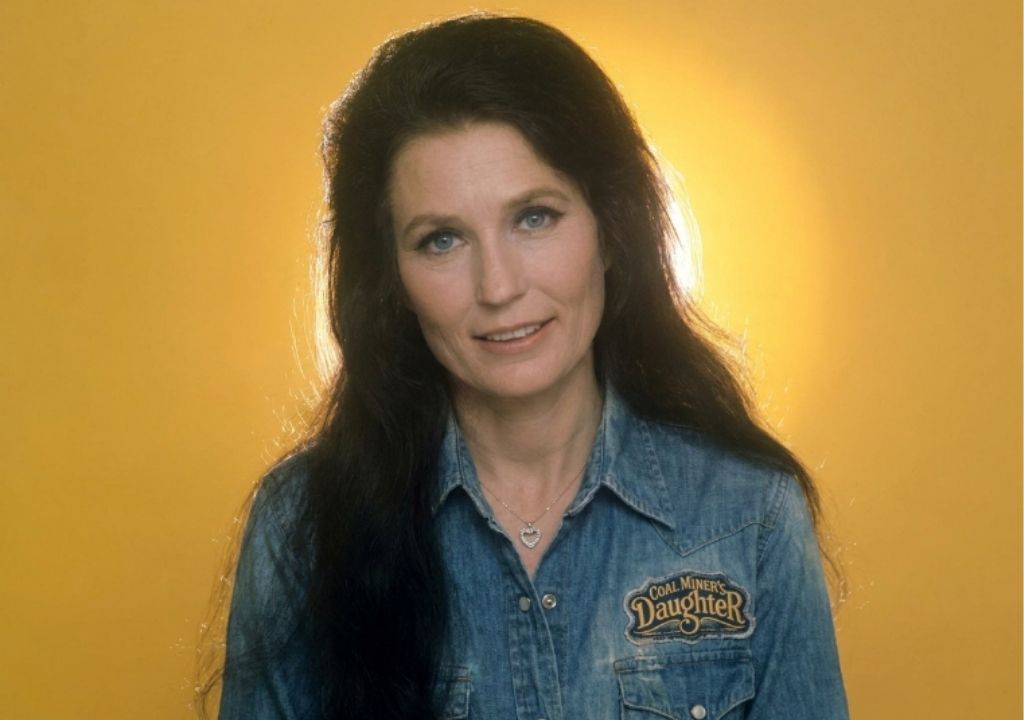
The air in eastern Kentucky during the mid-twentieth century carried the heavy scent of coal dust, woodsmoke, and an unspoken resilience. It was an era where survival was chiseled out of the Appalachian mountains, and life was measured by the depth of a coal mine. Out of this rugged landscape walked a woman who would become the definitive voice of rural America. When Loretta Lynn released “Coal Miner’s Daughter” in 1970, she didn’t just unleash a chart-topping country single; she opened a portal into a fading world of pure, unvarnished honesty.
The song functions like a vintage photograph fading at the edges but crystal clear at its core. From the opening strains of the pedal steel guitar, listeners are immediately transported to Butcher Holler. Lynn’s vocals enter with a stark, mountain-clear twang that commands absolute attention. She begins her chronicle not with a boast, but with a proud declaration of her humble origins. The narrative unfolds like a cinematic masterpiece, painting a vivid picture of a drafty cabin, a father who worked all night in the mines, and a mother whose fingers were permanently stained with the blue of a washboard.
What makes this track an enduring monument in music history is its lack of pity. Lynn looks back at her childhood poverty not with resentment, but with a profound sense of gratitude and reverence. She sings about wearing shoes from a mail-order catalog and her mother bleeding from scrubbing clothes, yet the overarching emotion is warmth. It captures the very essence of traditional country music—storytelling that is raw, autobiographical, and intensely relatable to the working class. The instrumentation reflects this simplicity, utilizing traditional acoustic arrangements that let the lyrical narrative breathe and take center stage.
During the 1970s, country music was undergoing a massive shift toward a more polished, pop-oriented sound. Amidst this changing musical tide, Lynn’s masterpiece stood as a defiant reminder of the genre’s true roots. It proved that the most powerful songs are those born from authentic lived experiences. For decades, this autobiographical anthem has resonated with anyone who understands the value of hard work and family loyalty. Listening to it today feels like sitting on a creaking porch, watching the dusk settle over the hills, and listening to an elder share the sacred folklore of their youth. It remains a timeless celebration of heritage that continues to shine as brightly as a diamond forged under immense pressure.