Introduction
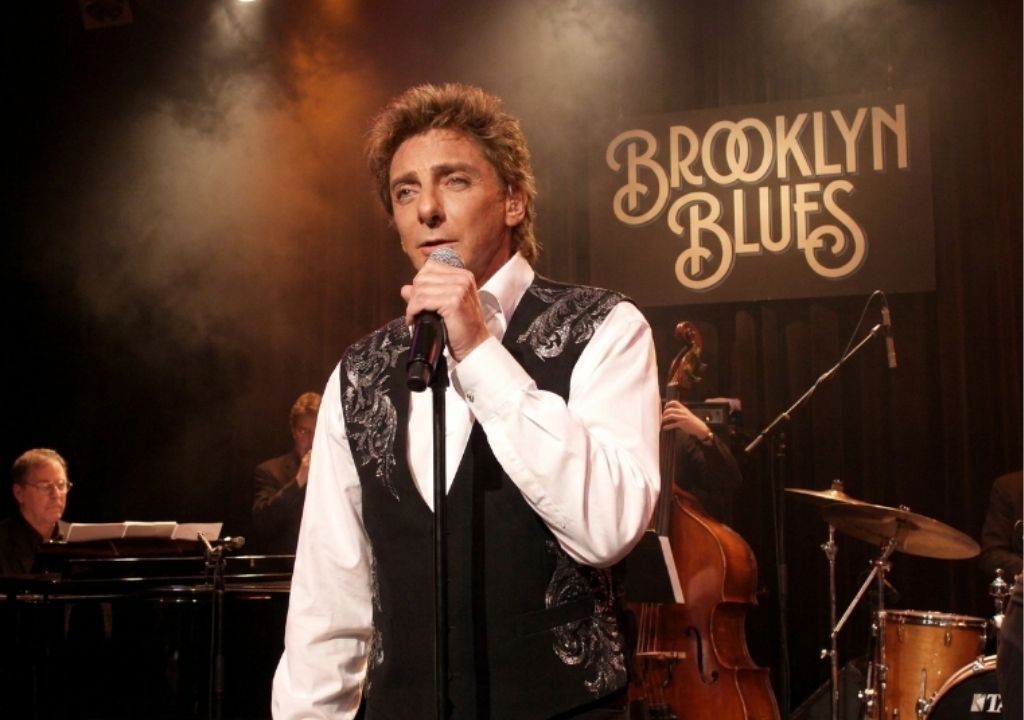
Let’s talk about Barry Manilow. For many listeners, his name instantly recalls the sweeping, grand romantic orchestrations of the mid-1970s—the dramatic key changes of “Mandy,” the vibrant tropical rhythms of “Copacabana,” or the intense vulnerability of “Weekend in New England.” He is globally celebrated as a master of the grand pop anthem. However, if you dig a little deeper into his sprawling discography and slip into the late 1980s, you stumble upon a hidden gem that reveals a completely different side of his musical genius. Released on his ambitious 1987 concept album Swing Street, “Brooklyn Blues” is a profound, deeply personal love letter to his roots, wrapped in a smoky, late-night jazz atmosphere that feels entirely distinct from his earlier stadium-sized pop arrangements.
“Brooklyn Blues” drops the listener right into the heart of a rainy, neon-lit New York night. The song breathes with a distinct sense of place, but it is not just about a geographic location; it is about an emotional state of mind. Manilow, a proud native of Brooklyn, channels the raw, gritty, yet deeply comforting essence of the urban landscape he grew up in. The track opens with an intimate, bluesy piano arrangement and a sultry, weeping saxophone that immediately sets a cinematic mood. You can almost see the mist rising from the damp asphalt, the yellow cabs splashing through street puddles, and a solitary figure walking beneath the heavy shadows of the elevated train tracks. The instrumentation is remarkably sophisticated, blending traditional jazz sensibilities with a polished, late-80s adult contemporary production style that gives the entire track a timeless, melancholic edge.
What makes this song truly captivating is the sheer honesty found in Manilow’s vocal performance. Gone are the soaring, theatrical crescendos that defined his early career. Instead, he delivers a grounded, soulful, and deeply reflective performance. His voice carries the genuine weight of a man looking backward, navigating the bittersweet waters of immense success, passing time, and an inescapable longing for home. He sings with a smoky weariness that perfectly matches the classic blues template, proving to the world that he was never just a pop showman, but an incredibly versatile interpreter of American jazz and blues traditions.
During the late 1980s, the musical landscape was rapidly evolving, with synth-pop and hair metal dominating the mainstream airwaves. Yet, with the Swing Street album, Manilow boldly chose to look backward, paying homage to the big band rhythms and jazz melodies that shaped his youth. “Brooklyn Blues” stands out as the absolute emotional anchor of that entire project. It captures a beautiful, universal paradox: the feeling of being profoundly lonely in a crowded city, yet finding immense comfort in that very isolation because the streets themselves hold your personal history. It is a song designed for the dreamers, the night owls, and anyone who has ever stared out a window at two in the morning wondering how they arrived at where they are today. It remains a masterful exercise in atmospheric storytelling, beautifully capturing the eternal, soulful ache of old New York.