Introduction
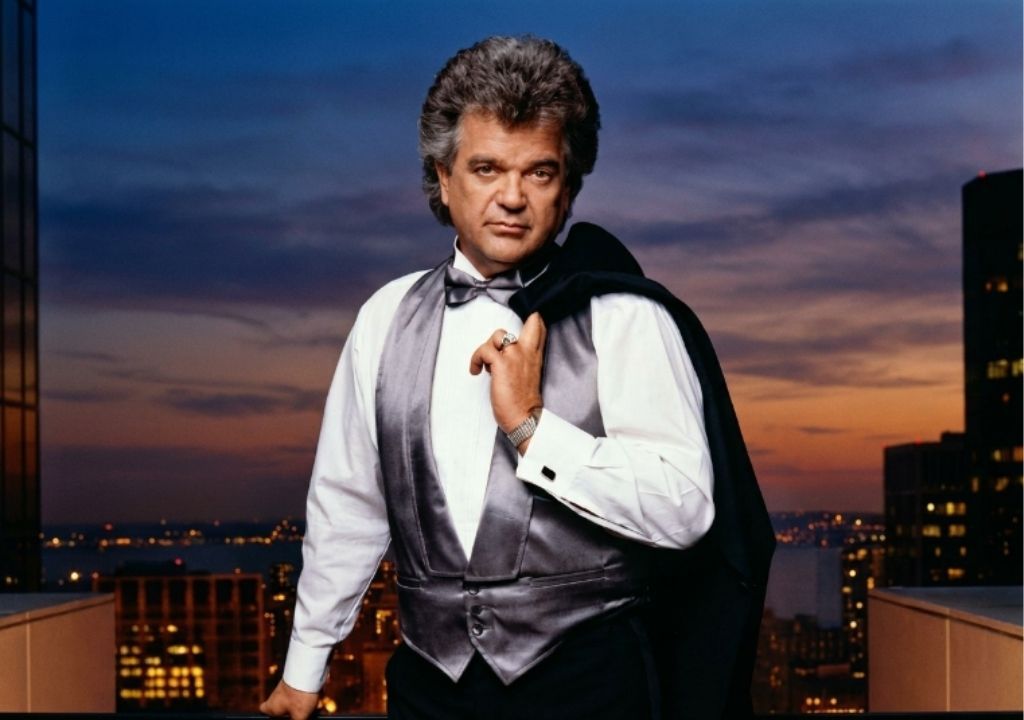
There is a rare, almost cinematic magic that occurs when a master vocalist meets the perfect heartbreak ballad. By the time the late 1980s rolled around, Conway Twitty had already spent decades cementing his reputation as the undisputed high priest of country music intimacy. He possessed an uncanny, almost supernatural ability to speak directly to the human heart, translating the messy, painful complexities of love into three-minute masterpieces. Released in 1988 as the lead single from his album Still in Your Dreams, “Goodbye Time” arrived at a moment when country music was balancing traditional roots with a glossy, emotionally charged production style. Yet, beneath the polished instrumentation of the era, Conway brought a raw, theater-like vulnerability that turned this specific track into an absolute monument of romantic despair. It is a song that doesn’t just describe a breakup; it forces you to sit in the cold, quiet room where the final thread of a relationship is unravelling.
Musically, the song is built on a brilliant foundation of slow-burning tension. It opens with soft, melancholic keys and a gentle acoustic guitar that mimic the hesitant, heavy breaths of someone trying to avoid the inevitable. When Conway begins to sing, his voice is a masterclass in emotional restraint. He starts in that legendary, low, conversational growl—an intimate whisper that feels like he is sitting right across from you at a dimly lit kitchen table. He paints a devastating picture of two people who have reached the dead end of a long road, acknowledging the unspoken truth that it is simply time to let go. But the true genius of the track lies in its dynamic shift. As the song swells into the chorus, Conway unleashes a soaring, desperate vocal power that catches you completely off guard. It is a vocal tightrope walk where his voice cracks with genuine, unbridled agony, pushing the boundaries of traditional country singing into the realm of pure, soul-baring passion. The pedal steel guitar responds not with a standard melody, but with a weeping, echoing cry that mirrors his heartbreak perfectly.
Looking back through the lens of decades gone by, “Goodbye Time” reminds us of an era when country music wasn’t afraid to be deeply adult, fragile, and painfully honest. Conway Twitty understood that real grief isn’t neat or tidy; it is a chaotic storm of love, regret, and reluctant acceptance. This track stands as one of his final masterpieces, a bittersweet reminder of a legendary artist operating at the absolute peak of his narrative powers. Listening to it today brings a rush of warm nostalgia for a time when songs were judged by the weight of the truth they carried and the goosebumps they left on your skin. Long after the final note fades out, the ghost of Conway’s passionate cry lingers in the air, proving that while time moves on, true heartbreak never goes out of style.