INTRODUCTION
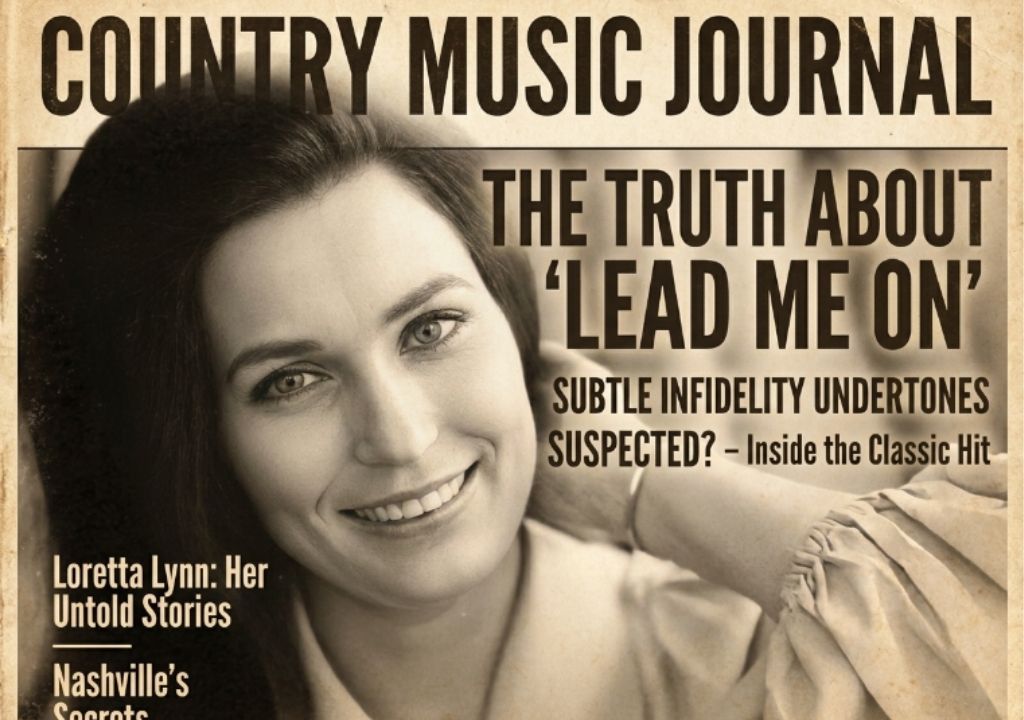
On September 6, 1971, Decca Records shipped a vinyl single to radio stations that would permanently alter the boundaries of mid-century country music. The track was “Lead Me On,” a masterfully tense duet performed by the genre’s most formidable powerhouse pairing. While mainstream country radio traditionally celebrated fidelity and faith-driven domesticity, this particular track leaned heavily into the psychological shadows of extramarital temptation. The lyrics depicted two married individuals begging each other to lower their moral defenses, delivered with an intoxicating vocal chemistry that felt uncomfortably authentic to contemporary listeners. Almost overnight, the record transcended standard musical entertainment to become an ongoing national obsession. Audiences refused to believe that such visceral passion was merely theatrical, instantly igniting a decades-long debate regarding the real-life boundaries between these two legendary performers and their art.
THE DETAILED STORY
The song, penned by songwriter Leon Copeland and produced by the legendary Owen Bradley at Bradley’s Barn in Mount Juliet, Tennessee, was deceptively sophisticated. Rather than presenting a crude tale of betrayal, “Lead Me On” offered a nuanced portrayal of emotional vulnerability. The narrative voice did not boast of an illicit affair; instead, it captured the terrifying, helpless moment before a moral boundary is crossed. This artistic sophistication, however, did not stop the public from conflating performance with reality. Because both icons were trapped in highly scrutinized, turbulent marriages—particularly Lynn, whose complex relationship with Oliver “Doolittle” Lynn frequently provided raw fodder for her solo hits—the public assumed the duet was an unvarnished window into a secret romance.
Despite the surrounding media storm and rampant fan theories, the commercial trajectory of the track remained entirely unbothered. The provocative nature of the lyrics met absolutely no resistance from corporate broadcasters or the public at large. Instead, the single rapidly climbed the industry metrics, culminating when it officially reached No. 1 on the Billboard Hot Country Singles chart. The corresponding parent album, released on January 17, 1972, duplicated this massive success, peaking at No. 2 on the Billboard Hot Country LPs chart and eventually securing a prestigious Gold certification from the RIAA for selling over 500,000 units in the United States.
In retrospective analysis, trade publications like Billboard and Cashbox praised the artistic orchestration of the track, noting that their voices merged into a cohesive, singular entity that redefined the emotional landscape of modern country music. Both artists maintained throughout their lives that their undeniable studio chemistry was entirely platonic, built on mutual professional respect rather than clandestine encounters. The enduring fascination with the record proves that its power did not stem from actual infidelity, but from their unparalleled ability to translate the complex, forbidden realities of human desire into a definitive chart-topping masterpiece.